Why Regular Check-ups Are Vital for Your Pets Health and Well-being

Regular veterinary check-ups are not just a routine; they are a crucial aspect of ensuring your pets live long, healthy lives. Just like humans, animals can experience a variety of health issues that may go unnoticed without professional attention. Identifying problems early can lead to better treatment outcomes and enhance their quality of life.
Consider the following reasons why you should prioritize regular check-ups for your furry companions:
- Early Detection: Many conditions, such as dental disease or tumors, may be asymptomatic in the early stages.
- Vaccination Updates: Keeping vaccinations up to date protects your pets from infectious diseases.
- Weight Management: Regular visits help monitor your pet’s weight, an essential factor in overall health.
- Preventive Care: Routine check-ups allow for proactive treatments like parasite control and dietary advice.
- Building Trust: Familiar visits to the vet can help your pets feel more comfortable during examinations.
In this article, we will explore the top 5 reasons why regular health assessments are essential for your pets, empowering you to take charge of their well-being.
Top 5 Reasons Why Regular Check-Ups are Vital for Your Pet’s Health
Ensuring that your beloved pets stay healthy should be a top priority for every pet owner. One significant way to achieve this is through regular check-ups. Not only do they help in identifying potential health issues early on, but they also play a crucial role in maintaining your pet’s overall well-being. In this article, we will uncover the top five reasons why regular veterinary check-ups are essential for your pets, ranked from five to one. Let’s dive into this important topic!
5. Prevention of Serious Health Issues
One of the major benefits of regular veterinary check-ups is the prevention of serious health issues. Pets, regardless of their size or breed, can suffer from various ailments that may not be easily noticeable at first. Many conditions, such as diabetes, dental disease, and heart problems, can develop silently, often only revealing symptoms when they become quite advanced.
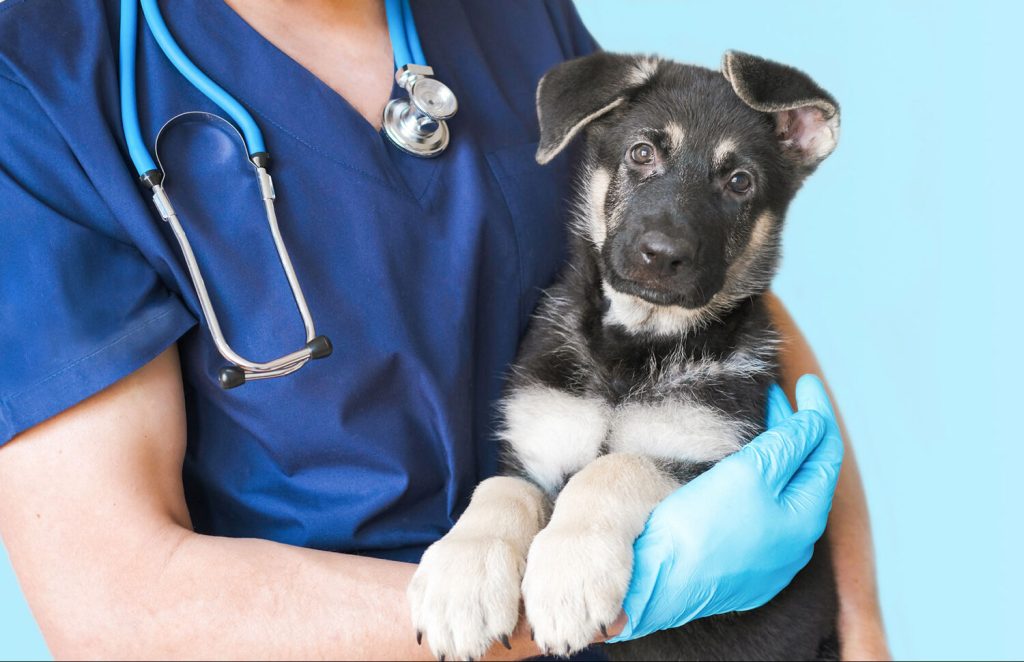
During a check-up, veterinarians conduct comprehensive examinations that can include:
- Routine blood tests
- Urinalysis
- Physical examinations
- Vaccination updates
These tests can reveal underlying health issues, allowing for timely interventions. Early detection can significantly improve the prognosis for your pet, meaning fewer health complications down the road and potentially costly treatments that can be avoided. For instance, a urinary tract infection detected in its early stages can be treated with simple antibiotics, preventing it from escalating into a more serious condition.
Case Study: Early Detection Saves Lives
Consider the story of a 7-year-old Labrador named Max. During a routine check-up, Max’s vet noticed slight fluctuations in his blood test results indicating early-stage kidney disease. Because it was caught early, Max was put on a special diet and medication that managed the condition effectively, significantly prolonging his quality and length of life.
4. Maintaining Vaccination Schedules
Vaccinations are critical for your pet’s health, protecting them against diseases that can be life-threatening. Regular check-ups are an excellent opportunity to ensure that your pet is up-to-date on all vaccinations. Various vaccines, such as those for rabies, parvovirus, and kennel cough, require boosters at specific intervals.
Missing a vaccination can expose your pet to severe diseases, some of which can also be transmissible to humans, posing a public health risk. By scheduling routine check-ups, you can make sure your furry friend is properly protected against these preventable conditions. The convenience of consolidating vaccinations during check-ups also saves you time and hassle.
The Importance of Timely Vaccinations
Consider the vaccination for rabies. Rabies is a fatal viral disease, and once symptoms appear, it is almost invariably lethal. Regular boosters are required not only to keep your pet safe but to comply with local laws that often mandate rabies vaccinations.
3. Monitoring Weight and Nutrition
Obesity is a growing concern in pets, just as it is in humans. Regular veterinary visits allow for weight monitoring and nutrition evaluations that are essential for your pet’s long-term health. During these check-ups, veterinarians can provide insights into your pet’s ideal weight and tailor a nutritional plan based on their specific needs.
Obesity in pets can lead to numerous health issues, including:
- Diabetes
- Joint problems
- Heart disease
- Decreased lifespan
For instance, an overweight cat is more likely to develop diabetes, which can be costly and challenging to manage. Your veterinarian can recommend appropriate diets and exercise regimens to keep your pet at a healthy weight, helping to avoid the many complications linked to obesity.
The Journey to a Healthier Weight
Consider the case of Bella, a slightly overweight beagle. Regular check-ups revealed a gradually increasing body weight. The vet was able to devise a specific dietary and exercise plan that not only reduced Bella’s weight but also increased her energy levels, allowing her to enjoy her daily walks more fully.
2. Dental Health Checks
Oral health is often overlooked in pets, yet it is just as vital as any other aspect of their wellness. Regular check-ups allow vets to assess your pet’s dental health, checking for issues like tartar buildup, gingivitis, or periodontal disease. Poor dental hygiene can lead to severe health problems not only in the mouth but also in other organs. Bacteria from the mouth can enter the bloodstream and affect the heart, kidneys, or liver.
During a check-up, veterinarians may:
- Perform dental cleanings
- Provide dental health product suggestions
- Educate pet owners on at-home dental care
Maintaining good dental hygiene is crucial for preventing long-term health complications and fostering a happier, healthier life for your pet.
The Hidden Costs of Neglecting Dental Care
Imagine Fluffy, a domestic cat who never had dental check-ups. Without regular cleanings, Fluffy developed periodontal disease at the age of six, leading to tooth extractions and costly treatments. Regular dental check-ups could have mitigated these outcomes.
1. Building a Strong Bond with Your Veterinarian
The top reason to prioritize regular veterinary check-ups is the relationship you build between your pet and the veterinarian. Establishing a rapport with a vet who understands your pet’s health history and personality is invaluable. This relationship can lead to more tailored care and better communication regarding your pet’s needs.
Regular visits make it easier for vets to monitor changes in your pet’s health, improving diagnosis accuracy and treatment effectiveness. Moreover, your vet can offer personalized advice and guidance on various aspects of your pet’s life, from training and behavior to nutrition and hygiene. This close relationship also ensures that in case of emergencies, your vet is already familiar with your pet’s medical background, making it easier to handle sudden health issues.
The Personal Touch in Veterinary Care
Take the example of Dr. Smith, a veterinarian cherished by pet owners for her years of dedication to understanding each animal she cares for. Her profound knowledge of Daisy, a Dalmatian she had been seeing since puppyhood, allowed her to quickly notice subtle mood changes indicating the onset of arthritis, leading to early management and pain relief for Daisy.
Overall, regular check-ups are not just a necessity; they are an integral part of being a responsible pet owner. The earlier you detect and address health concerns, the better the quality of life you can provide for your pet. Make those appointments; your furry friends deserve it!
| Category | Details |
|---|---|
| Preventive Health Care | Regular check-ups allow veterinarians to detect potential health issues before they become serious. Early intervention can lead to more effective treatments and help prevent severe diseases. |
| Monitoring Vital Signs | During check-ups, metrics such as heart rate, temperature, and weight are monitored, providing insights into the overall health of pets. This data can help identify irregularities that may indicate underlying health problems. |
| Vaccinations and Preventive Treatments | Check-ups are crucial for keeping pet vaccines updated and ensuring that preventive treatments, such as fleas, ticks, and heartworm prevention, are effectively administered, safeguarding pets against common diseases. |
| Diet and Nutrition Assessment | Veterinarians can provide crucial recommendations regarding diet and nutrition during regular visits, ensuring pets maintain a healthy weight and receive proper nutrients, which is essential for their longevity. |
Frequently Asked Questions about Regular Check-ups for Pet Health
Why are regular veterinary check-ups important for my pet’s health?
Regular check-ups are crucial because they help in the early detection of potential health issues. Discovering problems early usually means simpler and more effective treatment, which can significantly prolong your pet’s life. Moreover, these visits allow for vaccination updates and overall health monitoring. Routine check-ups are essential in preventing diseases by maintaining a robust health baseline for your pet.
How often should I take my pet for a health check-up?
For adult pets, it is generally recommended to schedule a veterinary visit once a year. However, for puppies, kittens, and senior animals, visits might need to be more frequent. Your veterinarian can provide a schedule tailored to your pet’s specific needs, considering factors such as breed and medical history. Keeping up with these appointments helps ensure that your pet’s vaccinations, diet, and exercise are on track.
What can I expect during a routine veterinary check-up?
During a routine check-up, the veterinarian will conduct a thorough physical examination of your pet. This includes checking the ears, eyes, teeth, and coat, as well as listening to the heart and lungs. The appointment may also involve blood tests and stool analyses to screen for underlying issues. Expect discussions around nutrition, lifestyle, and any behavior changes you’ve noticed, as these are integral to your pet’s health.
Are there any signs that indicate I should schedule a check-up sooner than planned?
Yes, certain signs warrant a visit to the veterinarian outside of regular appointments. These include changes in appetite or water consumption, unexplained weight loss or gain, persistent vomiting or diarrhea, behavior changes, and difficulties in breathing. Immediate consultation with a vet is advised if any alarming symptoms such as seizures or severe pain occur.
Can regular check-ups really extend my pet’s life?
While no guarantee can be made, regular check-ups play a pivotal role in extending your pet’s lifespan. They ensure your pet stays current with preventative care, detect problems early, and are essential for identifying changes in your pet’s health. By prioritizing regular veterinary visits, you contribute to your pet’s long-term wellbeing and happiness. Proactive health management can prevent small issues from turning into significant health problems.
Conclusion
Overall, the importance of regular check-ups for the health of pets cannot be overstated. These routine visits are essential not only for diagnosing existing health issues but also for preventing potential diseases. By conducting regular veterinary examinations, pet owners can ensure early detection of common ailments, enabling timely intervention and treatment. Such proactive measures significantly increase the chances of effective management, ensuring pets lead healthier and longer lives.
Furthermore, regular check-ups provide an invaluable platform for pet owners to seek guidance and advice on a myriad of topics, from nutrition to behavioral issues. Veterinarians are equipped to educate owners on creating the optimal living environment for their pets, tailored specifically to the unique needs of different breeds and species. This personalized approach fosters responsible pet ownership, ensuring pets not only survive but thrive under human care.
Additionally, scheduling regular veterinary check-ups serves as a vital preventive strategy. Vaccinations, dental assessments, and parasite control are aspects that, when addressed proactively, can prevent many common but potentially serious health complications. Through these preventive measures, the overall quality of life of pets can be significantly enhanced, reinforcing the profound bond between pets and their owners.
In essence, dedicating time for regular veterinary visits should be prioritized as an integral component of responsible pet ownership. It’s a proactive stewardship of our beloved animal companions’ health. By advocating for routine vet checks, we pave the way for a better understanding of pet health, ultimately leading to a healthier pet population. As the saying goes, an ounce of prevention is worth a pound of cure, and this couldn’t be truer for the health of our cherished pets.