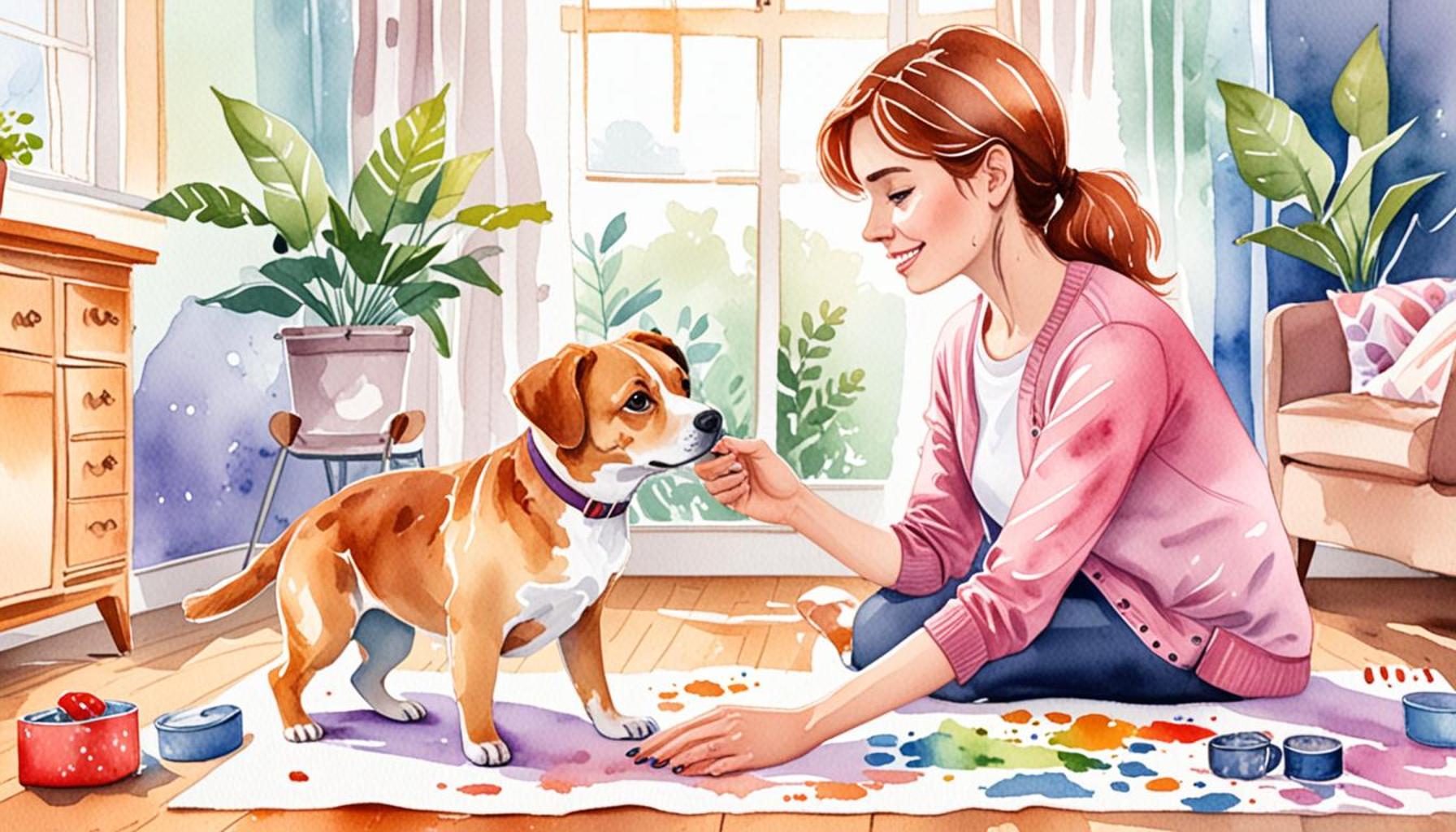
Training with Rewards: How to Use Treats to Encourage Good Behaviors in Pets
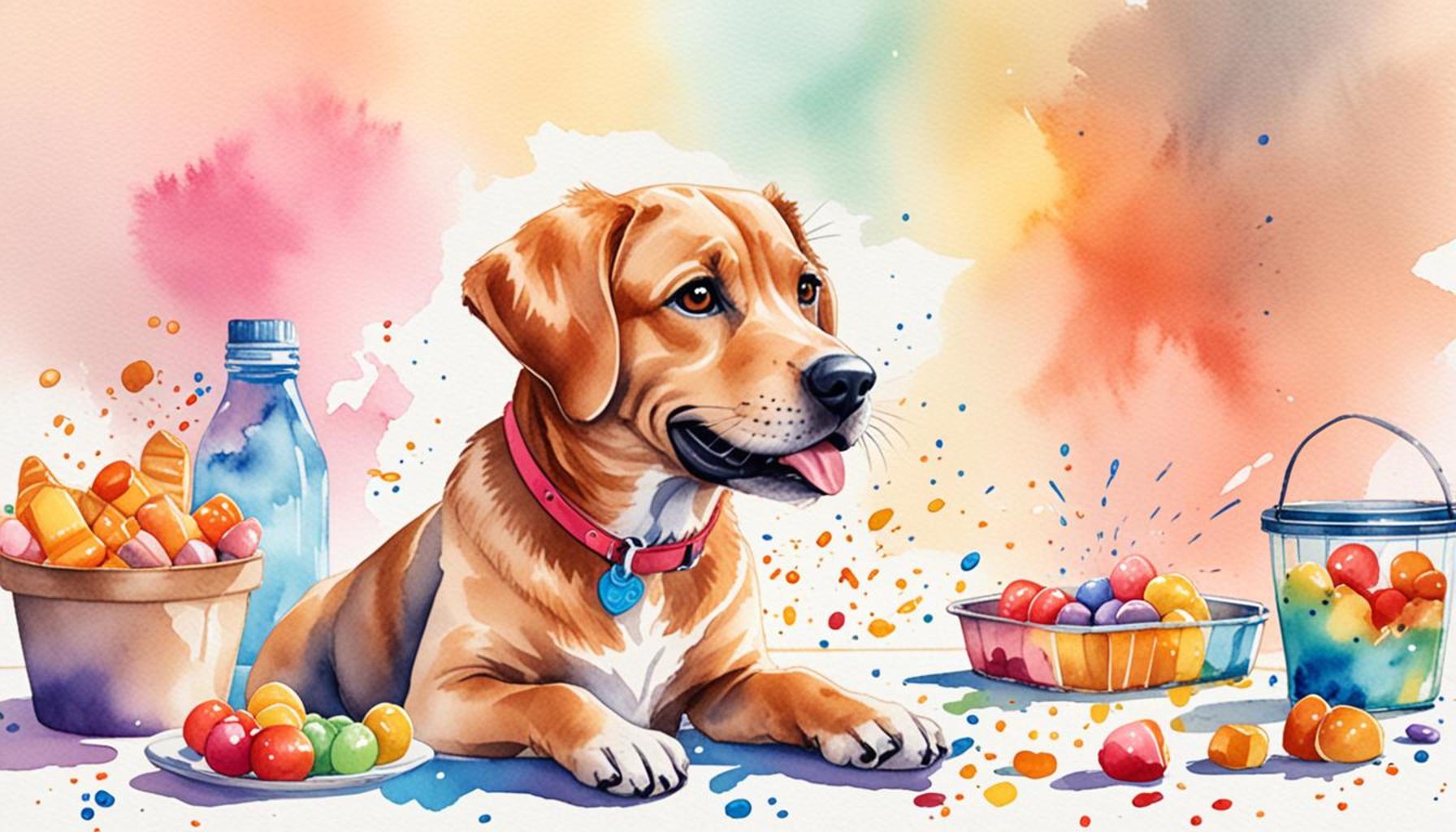
The Importance of Reward-Based Training in Pet Education
Training your pets through a reward-based system is not just a technique; it’s a pathway to deeper understanding and communication between you and your animal companion. This approach, rooted in the principles of positive reinforcement, not only teaches your pet desirable behaviors but also shapes a more enjoyable and engaging learning environment. By focusing on what motivates pets—primarily treats, praise, and affection—you can develop a more effective and enriching training routine.
Utilizing treats as incentives can lead to:
- Increased Motivation: Pets, like humans, are more likely to engage in a task when there’s a compelling reason. When you reward your dog with a tasty morsel for sitting on command, you reinforce the behavior and keep them eager for more learning opportunities.
- Enhanced Bonding: Sharing treats creates positive experiences that strengthen the trust between you and your pet. This bond is crucial; for instance, a cat that associates hands with treats rather than rough handling is more likely to seek your company, resulting in a more affectionate relationship.
- Behavioral Consistency: Over time, consistent exposure to rewards for good behavior transitions pets into well-mannered companions. For example, a dog rewarded consistently when it uses the bathroom outside will begin to develop a habitual tendency to do so.
Extensive research indicates that training outcomes markedly improve with the use of food rewards. However, the selection of appropriate treats is vital for maximizing training effectiveness. Here are some critical factors to consider:
- Health Considerations: It’s essential to choose low-calorie treats to prevent unnecessary weight gains. For example, you can find many excellent options specifically designed for training that are both nutritious and appealing.
- Flavor Preferences: Every pet has unique preferences. Experimenting with various flavors—from chicken to salmon—can reveal what truly excites your pet and enhances their motivation to learn.
- Type of Rewards: Don’t limit yourself to just edible rewards. Non-edible rewards, such as favorite toys or even playtime, can be just as effective in reinforcing desired behaviors.
In this article, we will delve deeper into proven methods, expert tips, and techniques for skillfully integrating treats into your training regimen. Whether your goal is to teach your dog basic commands such as “sit” and “stay,” or to correct behavioral problems like jumping up on guests, adopting a reward-based strategy can lead you and your pet to success. The world of pet training is vast and discovering the best approaches can not only benefit your pet’s well-being but also enhance your shared experiences.
DISCOVER MORE: Click here to learn about pet nutrition and exercise
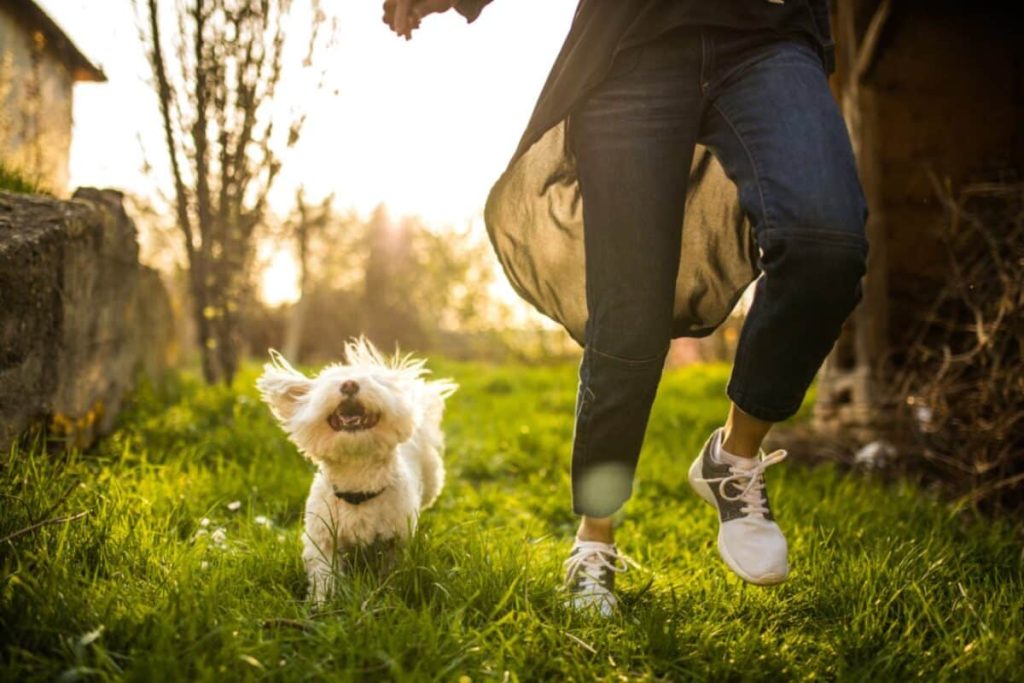
Understanding the Psychology Behind Reward-Based Training
Training with rewards is not merely a method but an insightful approach that taps into the natural instincts of pets. Animals, much like people, are driven by positive outcomes. When you utilize treats as a motivational tool, you’re essentially operating on the principle of conditioning; rewards serve as stimuli that produce desired responses. This understanding lays the foundation for effective training, setting the stage for remarkable advancements in behavior modification and skill acquisition.
At the core of reward-based training lies a deep understanding of operant conditioning, a term coined by psychologist B.F. Skinner. This concept posits that behaviors can be shaped by consequences—good behaviors reinforced by positive feedback, such as treats, will increase the likelihood of those behaviors being repeated. In practical terms, this means that when teaching your pet commands like “come”, “stay”, or “heel”, the immediate delivery of a tasty treat enhances the learning experience.
Key Components of a Reward-Based Training System
Creating a successful training regime with treats involves more than just rewarding good behavior; it requires an understanding of timing, consistency, and choice of rewards. Here are crucial components that contribute to effective training:
- Timing is Everything: The effectiveness of rewards is heavily dependent on timing. To reinforce a behavior successfully, the treat must be given immediately after the desired action. This direct connection helps your pet understand which behavior is being rewarded, ensuring a clearer training process.
- Consistency in Reinforcement: Your pet thrives on predictability. To build solid habits, you need to consistently reward the same behaviors. For instance, if you only reward your dog sometimes for sitting, the message may become confusing. A consistent routine encourages better learning.
- Gradual Fading of Treats: While treats play a vital role in reinforcing behaviors, it’s crucial to gradually reduce their frequency as your pet learns. Transitioning from treats to verbal praise or playtime can keep your pet engaged while solidifying their understanding of the command.
Understanding the nuances of how your pet learns can open new avenues in your training approach. As a pet owner, employing these strategies not only empowers your companion but also enriches the bond you share. A well-trained pet is not only a joy to have but also contributes to a harmonious home environment.
In the following sections, we will explore practical techniques and expert advice for integrating rewards effectively into your training sessions, allowing you to achieve tangible results in teaching both basic and complex behaviors.
| Training Techniques | Benefits of Treats |
|---|---|
| Positive Reinforcement | Encourages Desired Behaviors |
| Clicker Training | Instant Feedback enhances learning. |
| Lure and Reward | Makes learning fun for pets! |
Building upon your training journey, using treats effectively can significantly enhance your pets’ willingness to learn and open the door to new behaviors. Incorporating methods like positive reinforcement turns mundane training sessions into delightful experiences, as pets learn to associate good behavior with rewards. Additionally, utilizing techniques such as clicker training provides immediate feedback, reinforcing the desired action right at the moment it occurs. This method not only shortens the learning curve for pets but also fosters a deeper bond between you and your furry companion.Moreover, the lure and reward technique involves using treats to guide pets through exercises, ensuring engagement throughout the process. This method encourages exploration, making learning a delightful and rewarding adventure for pets. To harness the full potential of these techniques, understanding the right quantity and quality of treats is essential. Investing in high-value treats can further motivate your pets, paving the way for effective and engaging training sessions.
DIVE DEEPER: Click here to learn essential puppy socialization techniques
Practical Techniques for Effective Reward-Based Training
Implementing a reward-based training system with treats can be both an art and a science. It involves not only understanding your pet’s behavior but also applying strategies that resonate with their instincts and inclinations. While the importance of timing, consistency, and gradually fading treats has been established, there are additional practical techniques to enhance your training sessions, ensuring a fun and engaging experience for both you and your furry friend.
Differentiating Treat Types
The choice of treats can significantly impact your training outcomes. Not all treats are created equal when it comes to motivation. For most pets, high-value treats—those that they seldom receive—are much more effective during training sessions. These can include small pieces of cheese, chicken, or store-bought training treats specifically marketed as high-value. When you opt for such treats, aim to choose size-appropriate pieces to prevent overindulgence and maintain an optimal training pace. Consider alternating between high-value rewards for challenging tasks and lower-valued treats for routine commands to keep your pet curious and invested in the training process.
Creating Structured Training Sessions
To foster a productive training environment, it’s essential to establish a systematic approach. Structured sessions typically last about 5 to 10 minutes, as prolonged periods can lead to boredom or frustration. These sessions should include a mix of command reinforcement, trick training, and interactive playtime, maximizing engagement. Utilizing a clicker can also enhance communication, marking behaviors precisely when they occur, allowing your pet to understand which action is being rewarded. Over time, the click noise becomes a signal of success, further motivating your pet to repeat the behavior.
Incorporating Real-Life Situations
Real-life scenarios can bolster the effectiveness of your training. Incorporating rewards during everyday situations, like rewarding your dog for sitting before mealtime or walking nicely on a leash, helps reinforce those desirable behaviors in contexts your pet encounters daily. This transfer of training from the controlled environment to the real world ensures that learned commands become integral parts of your pet’s behavior, contributing to a well-mannered companion.
The Importance of Patience and Positive Reinforcement
Training with rewards is not always a swift journey; it requires patience and understanding. Each pet has a unique learning pace, and it’s critical to tailor your approach according to their needs. Expressing frustration or negative reactions can hinder progress and may lead your pet to associate training with stress rather than joy. Instead, focus on celebrating small victories—no matter how minor. This positive reinforcement encourages pets to remain engaged, making them more receptive to learning.
By exploring these practical techniques and weaving them into your training routine, you set the groundwork for a thriving relationship with your pet. The bond formed through effective communication and understanding lays the foundation for a happier, well-adjusted animal, transforming mundane training into delightful experiences that strengthen your connection. Embrace the adventure of training with rewards, and watch as your furry friend flourishes and responds to your loving guidance.
LEARN MORE: Click here for essential pet care tips
Conclusion: The Power of Positive Reinforcement in Pet Training
In conclusion, training with rewards is not only a method but a celebration of the bond between you and your pet. By thoughtfully selecting treats and employing structured sessions, you navigate the complexities of grooming desired behaviors with patience and positivity. The use of high-value treats tailored to your pet’s preferences creates an incentive that encourages engagement, while recognizing success—no matter how small—fuels their motivation to learn.
Furthermore, integrating training into everyday scenarios solidifies the behaviors in the context of real life, ensuring a well-mannered companion who understands commands beyond the confines of a training ground. The transition from training to real-world applications enhances their adaptability and responsiveness, making daily interactions more enjoyable.
As you embark on this rewarding journey, always remember that patience is key. Each pet learns at their own pace, and the objective is to cultivate an environment in which they feel supported and confident. By embracing positive reinforcement, you not only shape their behavior but also enrich their emotional well-being. This adventure in training can transform the mundane into moments of joy and connection, producing a lasting impact on your relationship with your furry friend.
Ultimately, the art of using treats to encourage good behaviors is about understanding and celebrating the individuality of your pet. Continue to explore new techniques, remain consistent, and cherish the process, knowing that the rewards extend far beyond treats—they blossom into a lifelong partnership filled with love, trust, and happy moments together.