
Therapy Dog Training: Preparing Your Pet to Provide Comfort and Emotional Support

The Bond Between Humans and Therapy Dogs
In an age characterized by rapid technological advancements and heightened stress levels, the significance of emotional support has reached unprecedented levels. Therapy dogs are stepping into this arena, emerging as profound sources of comfort and healing for individuals grappling with various emotional challenges. These remarkable canines not only offer companionship but also serve as non-judgmental listeners, bringing unconditional love that can tremendously aid mental well-being.
Understanding the Role of a Therapy Dog
As you embark on the fulfilling journey of raising and training a therapy dog, it is imperative to comprehend the responsibilities and commitments associated with this role. Therapy dogs serve in diverse environments like hospitals, schools, and nursing homes, providing solace to people of all ages. Their presence can ease the anxiety of a child undergoing medical procedures or bring joy to the elderly in nursing homes, illustrating the powerful impact these dogs have on mental health.
Key Characteristics of a Therapy Dog
- Special Skills: A therapy dog should exhibit patience and possess a calm demeanor, particularly in bustling environments where their presence is needed the most. They must be social and adaptable, capable of interacting gracefully with a variety of individuals.
- Training Requirements: Rigorous training is crucial. Basic obedience commands form the foundation, but specialized evaluations are necessary to ensure the dog is fit for therapy work. This could involve assessments of their response to stress, crowds, and unfamiliar situations.
- Appropriate Temperament: Not every dog is naturally suited for this line of work. While certain breeds like Golden Retrievers and Labrador Retrievers are often renowned for their gentle nature, individual personality traits significantly influence a dog’s readiness for therapy work.
The Journey of Training
When considering therapy dog training, it’s essential to prepare both yourself and your pet for this enriching experience. Engaging with a professional trainer who specializes in therapy work can be invaluable, as they can provide insights on behavior modification and socialization skills. Training should also include exposure to various settings where the therapy dog may operate, allowing them to acclimatize and feel comfortable.
Ultimately, the partnership formed between a handler and their therapy dog can facilitate healing, create joy, and foster connection across a multitude of settings. As studies indicate the therapeutic effects of animal companionship, those considering this journey should recognize that their efforts could create a ripple effect of positivity and comfort in the lives of numerous individuals. By committing to the training process and nurturing a loving bond with the therapy dog, you are not just enhancing the dog’s skills but potentially transforming the lives of those who encounter them.
DISCOVER MORE: Click here to learn about positive reinforcement techniques
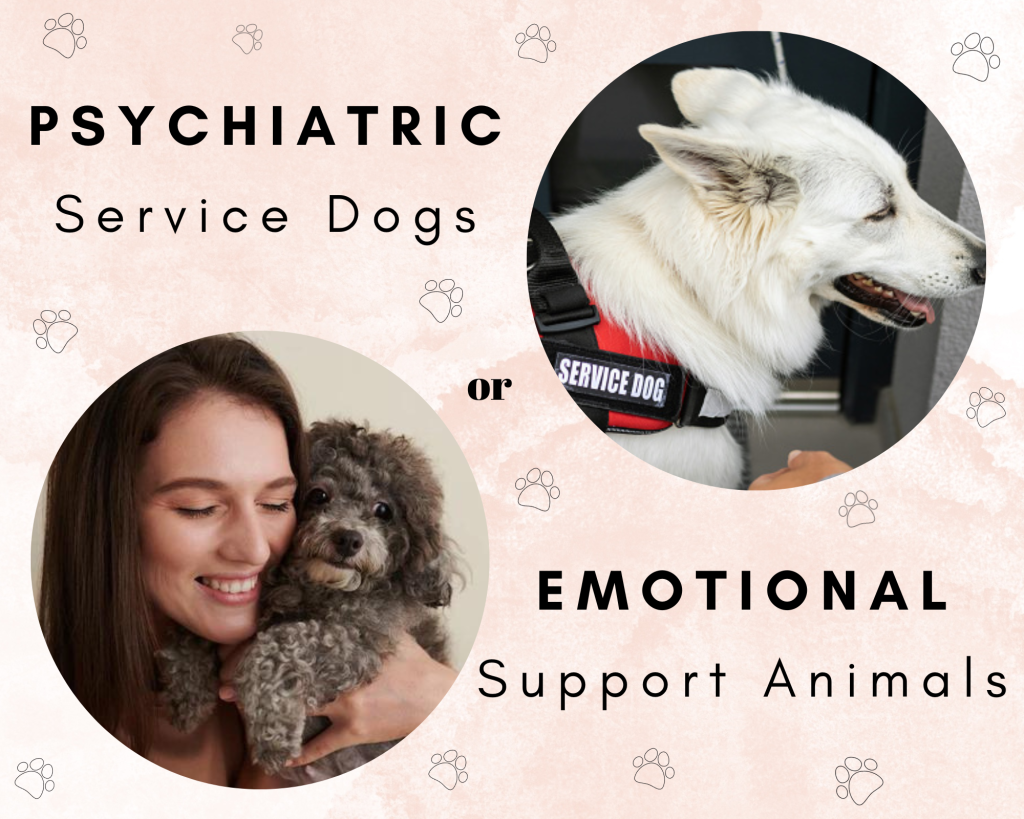
Essential Steps for Therapy Dog Training
Training a therapy dog is a rewarding yet intricate process that demands dedication from both the dog and the handler. The training journey is not merely about teaching commands; it is about instilling a sense of responsibility, empathy, and understanding in the dog. A well-trained therapy dog can navigate complex emotional landscapes, providing comfort and emotional support to those in need.
Establishing a Strong Foundation
The first phase of therapy dog training focuses on basic obedience skills that form the foundational bond between the pet and handler. Key commands such as sit, stay, come, and leave it are crucial. These commands not only enhance control in various situations but also ensure the dog can respond appropriately to their handler’s instructions, especially during high-stress moments.
Socialization: A Vital Element
Once fundamental obedience has been established, the next step in the therapy dog training journey is socialization. This involves exposing the dog to different environments and a variety of people, including individuals with disabilities, children, and the elderly. Socialization will help your dog develop the confidence and composure needed in unpredictable situations. Here are some essential socialization exercises:
- Public Outings: Take your dog to parks, shopping areas, and community events to become accustomed to diverse sounds and sights.
- Interaction with Different Groups: Arrange meet-and-greets with families, children, and seniors to encourage positive interactions.
- Encounters with Various Animals: Familiarize your dog with other pets to enhance their adaptability and reduce anxiety around unfamiliar animals.
Advanced Skills and Specialization
As your dog grows more confident and well-behaved in social settings, you can introduce advanced skills that are particularly helpful in therapy contexts. These include:
- Calmness in Crowded Environments: Train your dog to remain calm amidst noise and crowds, an essential quality for therapy work in busy places like hospitals and schools.
- Therapeutic Responses: Teach your dog to recognize and respond appropriately to distress signals from individuals, such as leaning in for comfort or providing companionship during emotional moments.
- Assistance Techniques: Depending on specific therapeutic settings, your dog may benefit from learning how to gently nudge or lay their head in someone’s lap, providing an extra layer of support.
By diligently working through these stages of training, you create an environment where your therapy dog not only excels in their role but also thrives. The well-being of individuals who interact with your dog hinges on this preparation, reinforcing the notion that effective therapy dog training is both an art and a science. As you continue your journey of training your therapy dog, remember that every small achievement lays groundwork for profound impacts on others’ lives, ultimately fulfilling the heartwarming promise that therapy dogs are meant to fulfill.
| Category | Details |
|---|---|
| Emotional Stability | Therapy dogs provide a sense of deep emotional stability for those in distress. Their presence can significantly alleviate feelings of anxiety and loneliness. |
| Enhanced Interaction | A trained therapy dog encourages enhanced social interaction, breaking the ice in therapeutic settings and helping individuals open up about their feelings. |
Therapy dogs are trained specifically to respond to emotional needs and can be extraordinarily helpful in psycho-social environments. Their ability to connect with people makes them indispensable in therapy sessions, educational settings, and even hospitals. Observing a therapy dog in action reveals how these skilled canines can sense emotional states and respond with comforting behaviors. This interaction fosters an environment where individuals feel safe to express themselves.Additionally, considering the gentle nature of therapy dogs, they can withstand stressful situations without becoming agitated, providing a consistent source of comfort. This aspect is particularly vital in settings where individuals may be experiencing trauma or severe emotional distress, underscoring the importance of adequate training.Overall, therapy dog training transforms these pets into compassionate companions, proving time and again their capability to provide both comfort and emotional support to those who need it most. As the demand for therapy dogs grows, so does the need for comprehensive information on how to prepare our pets for this crucial role.
DISCOVER MORE: Click here to learn about the benefits of a balanced diet for your pets
Behavioral Training for Therapy Dogs
Beyond basic obedience and advanced skills, behavioral training plays a critical role in preparing a therapy dog for their emotional support responsibilities. Recognizing that therapy dogs often engage with individuals in vulnerable states, training must encompass teaching the dog how to interpret and respond to human emotions. This aspect of training not only involves behavior modification but also encourages deeper engagement between the dog and those they assist.
Instilling Calmness and Patience
One of the essential traits of a therapy dog is the ability to remain calm and patient while interacting with individuals displaying a wide range of emotions. To foster this quality, handlers must implement targeted exercises such as:
- Desensitization: Gradually expose your dog to high-stress environments, including busy streets or noisy events, to ensure they do not become overwhelmed. Begin with lower levels of noise or distraction, slowly increasing exposure as your dog demonstrates comfort.
- Staying Focused: Utilize games that require the dog to concentrate on their handler, despite potential distractions. Activities such as “watch me” help build the dog’s focus and reinforce their ability to remain attentive amidst emotional turmoil.
Recognizing Emotional Cues
Training a therapy dog to pick up on emotional cues is a nuanced skill. Handlers can achieve this by employing methods like:
- Positive Reinforcement: Reward your dog when they exhibit curiosity or a gentle demeanor towards individuals displaying stress or sadness. This encourages the dog to understand that their response can positively influence the emotional state of those in their company.
- Mock Therapy Sessions: Create role-play scenarios where friends or family simulate emotional states. Observe how your dog reacts and guide them through appropriate responses, such as approaching slowly or offering physical contact.
Preparing for Various Settings
Therapy dogs serve in multiple settings, from schools and hospitals to nursing homes. As such, your dog must be trained to adapt to the unique demands of each environment. Take these steps to ensure versatility:
- Field Trips: Arrange visits to potential therapy locations to help your dog acclimate to unfamiliar surroundings. Observe their reactions and address any signs of anxiety or avoidance, reinforcing positive behaviors as they explore these new settings.
- Simulating Interactions: Engage in practice sessions where your dog interacts with individuals on roller chairs or with mobility aids, as these are common among therapy recipients. Such experiences promote comfort and familiarity.
The effectiveness of therapy dog training hinges not only on obedience and skills but also on the dog’s ability to understand and respond to human emotions. The right combination of behavioral training, emotional recognition, and adaptability ensures that therapy dogs can navigate the profound responsibility of providing comfort and emotional support to those they encounter. This specialized training is an investment that pays off in life-changing ways for both the dog and those they aid.
DISCOVER MORE: Click here to learn about the adoption screening process
Conclusion
In a world increasingly characterized by emotional distress and mental health challenges, the role of therapy dogs has never been more vital. As outlined in this article, therapy dog training is a comprehensive process that goes beyond basic obedience. The combination of behavioral training, emotional recognition, and adaptability equips therapy dogs with the skills they need to offer genuine comfort and support.
The intricacies of understanding human emotions form the heart of therapy dog training. By fostering qualities such as calmness and patience, handlers can help their dogs become reliable sources of comfort, especially in diverse settings like hospitals or schools. Through methods like desensitization and positive reinforcement, handlers can fine-tune their dogs’ behaviors, ensuring they respond effectively to emotional cues.
Furthermore, embracing versatility through field trips and simulated interactions prepares therapy dogs for real-world scenarios where they will make a significant impact on a person’s emotional well-being. As we continue to prioritize mental health, the demand for trained therapy dogs is likely to increase, underscoring the importance of this training.
For those considering embarking on the journey of training a therapy dog, the investment of time and effort is not merely beneficial—it is transformative. Both individual handlers and their elite canine companions have the opportunity to touch countless lives, spreading comfort and joy during some of life’s most challenging moments. The unconditional love and support provided by therapy dogs brings hope and healing, paving the way for a brighter future.