
The Importance of Physical Exercise for the Health and Well-Being of Cats
Understanding the Importance of Physical Exercise for Cats
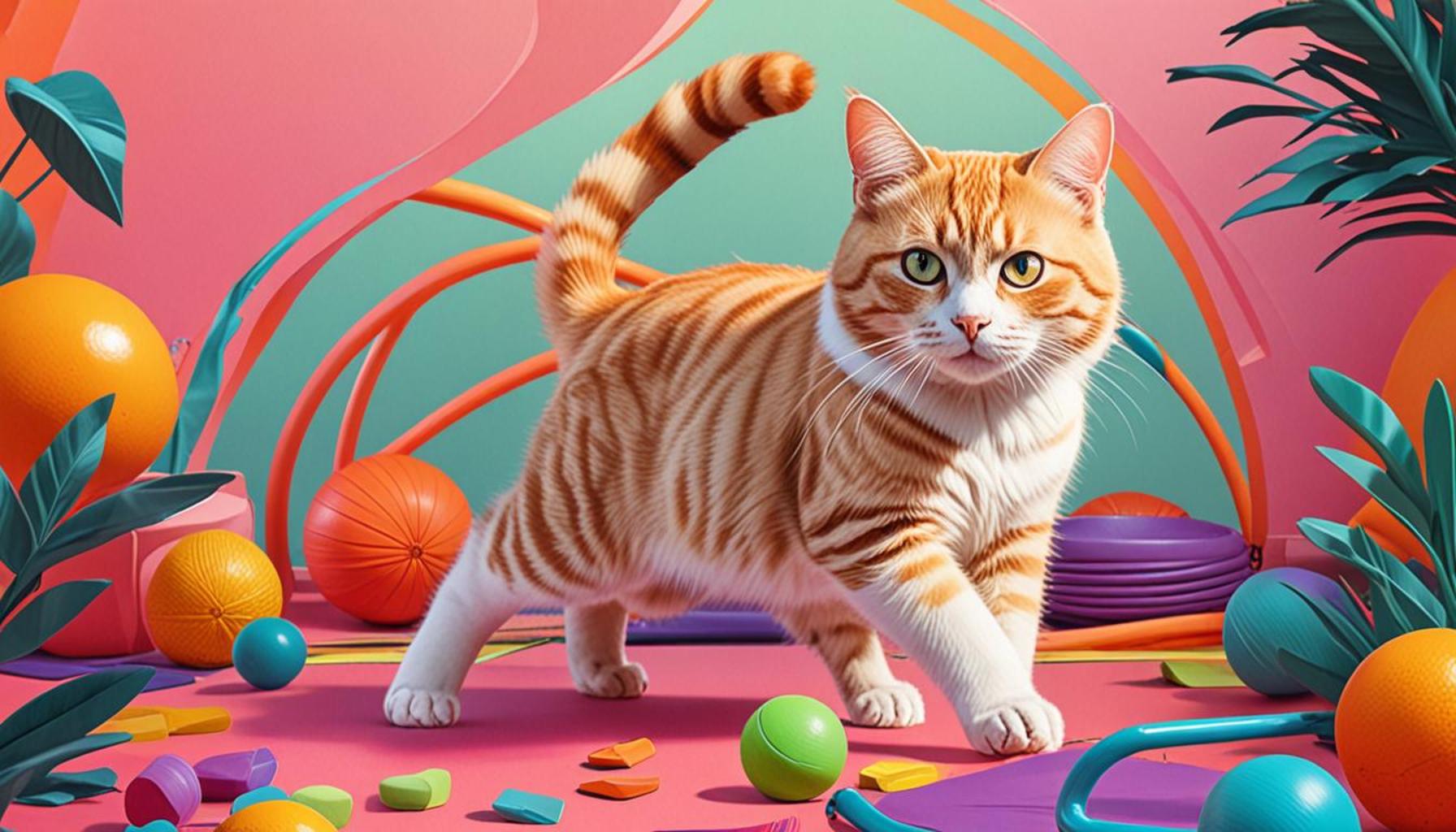
Physical exercise is crucial for maintaining the overall health and vitality of our feline friends. Just like humans, cats require regular activity to thrive, ensuring they remain physically fit and mentally stimulated. Inadequate exercise can lead to a host of health issues, including obesity, diabetes, and behavioral problems, making it essential for cat owners to prioritize their pets’ fitness routines.
The Health Benefits of Regular Activity
Consider the following benefits of physical exercise for cats:
- Weight management: Regular exercise plays a vital role in preventing obesity and the numerous diseases that accompany it, such as arthritis and heart disease. Engaging your cat in games and activities can help burn calories and maintain a healthy weight. For instance, a daily routine involving chasing laser pointers or feather toys can significantly enhance their physical activity levels.
- Mental stimulation: Physical activity is not just about moving; it engages their natural instincts, like hunting and pouncing. This is not only fun but also reduces anxiety and prevents destructive behaviors stemming from boredom. Puzzle toys that require cats to solve challenges for treats also provide significant mental engagement while promoting active play.
- Muscle development: Exercise promotes strength and agility, improving overall physical health. Regular activities can help maintain lean muscle mass, which is essential, especially as cats age. For example, encouraging climbing on cat trees or engaging in interactive play can enhance their muscle tone and coordination.
The Alarming Statistics
In the United States, many pet owners are unaware of the impact of sedentary lifestyles on their cats. According to the Association for Pet Obesity Prevention, approximately 60% of cats are classified as overweight or obese. This statistic underscores the urgent need for a well-rounded exercise plan tailored to fit each cat’s unique needs. Understanding your cat’s body condition score can be instrumental in identifying if your pet falls within a healthy weight range.
How to Engage Your Cat in Physical Activity
As we delve deeper into the fascinating world of feline fitness, we will explore effective ways to engage your cat in physical activity, enhance their well-being, and foster a stronger bond between you and your furry companion. For example, incorporating a daily routine that includes a mix of structured playtime and independent exploration allows cats to get the exercise they need while stimulating their curiosity.
In conclusion, the health and happiness of your cat depend significantly on their level of activity. By understanding the essential role exercise plays in their life, you can help prevent health problems and ensure countless hours of joy and companionship. So, lace up your sneakers and prepare to embark on an exciting journey of fitness and fun with your feline friend!
DIVE DEEPER: Click here to learn more
Benefits of Regular Exercise for Your Feline Friend
The various advantages of incorporating physical exercise into your cat’s routine extend far beyond mere play. A commitment to engaging your pet in regular activity can lead to profound improvements in their overall well-being. To underscore the significance of physical exercise for cats, let’s delve into some compelling benefits:
- Enhanced cardiovascular health: Just like humans, cats benefit from maintaining a healthy heart. Regular physical activity aids in promoting good circulation, reducing the risk of heart disease, and enhancing overall cardiac function. Engaging your cat in vigorous play, such as chasing a bouncing ball or a wand toy, can mimic the natural hunting behaviors that stimulate their hearts and lungs.
- Stronger bones and joints: Activity is essential for sustaining bone density and joint health, particularly in less active cats or those predisposed to arthritis. Routine exercise fosters flexibility in the joints, helping to prevent age-related problems. Activities like climbing on furniture or scratching posts can strengthen cats’ bones while keeping their joints limber.
- Improved mood and reduced behavioral issues: Regular playtime can significantly enhance your cat’s mood while alleviating anxiety and stress. Cats are naturally wired to hunt, and without an outlet for this instinct, they may become restless or display undesirable behaviors, such as scratching furniture or excessive meowing. Activities that channel their innate hunting instincts, like interactive laser games or feather teasers, can help keep their spirits high and promote a calm demeanor.
- Socialization opportunities: For multi-cat households, physical exercise provides a unique opportunity for social interactions. Engaging in games together promotes bonding among cats, enabling them to establish positive relationships while also maintaining healthy competition and playfulness. Simultaneously, structured play can ease any territorial tensions that may arise in shared living spaces.
Physical Fitness: An Ongoing Commitment
Just as we advocate for a routine exercise regimen for ourselves, it’s vital to recognize that physical fitness in cats requires ongoing attention and dedication. Regularly monitoring your cat’s activity levels can help identify any shifts in behavior or energy, alerting you to potential health concerns. A distinct lack of interest in play may signal issues ranging from obesity to more serious underlying health conditions.
Moreover, ensuring that your exercise strategy evolves with your cat as they age can further support their unique physical and mental needs. For example, kittens may thrive on high-energy play sessions, while senior cats may benefit more from gentler activities that encourage movement without excessive strain.
In this dynamic relationship between owner and pet, the focus should be on fostering an enjoyable experience rather than merely extending exercise limits. By engaging in activities suited for your cat’s lifestyle and personality, you create an environment where physical fitness is both beneficial and fun. In the following sections, we will explore innovative ways to incorporate exercise into your cat’s daily routine while discussing the significance of a healthy lifestyle overall.
The Importance of Physical Exercise for the Health and Well-Being of Cats
As our beloved feline companions age, the necessity for regular physical exercise becomes ever more critical. Cats, unlike dogs, may not exhibit an innate desire to engage in vigorous activity, making it essential for their owners to encourage and facilitate exercise. A lack of physical activity can lead to severe health issues such as obesity, diabetes, and joint problems. Indeed, up to 60% of cats are estimated to be overweight or obese, highlighting a growing concern among pet owners.
Physical exercise serves as a crucial component for maintaining a healthy weight and supporting the overall well-being of cats. It not only helps to burn excess calories but also engages their muscles and keeps their joints flexible. Moreover, mental stimulation is just as vital; interactive playtime with toys encourages hunting instincts and prevents boredom. Implementing a routine of play sessions each day can transform your cat’s lifestyle, promoting both physical health and emotional well-being.
Furthermore, the act of play is a natural behavior that enhances the bond between cat and owner. This interaction not only provides exercise but also promotes a feeling of safety and security. Keeping your cat active can also be achieved through environmental enrichment, such as climbing trees, scratching posts, and puzzle feeders, which stimulate both mind and body. The countless benefits of regular exercise emphasize its pivotal role in the health and longevity of our feline friends.
| Category | Advantages |
|---|---|
| Weight Management | Helps maintain a healthy weight and reduce obesity-related risks. |
| Mental Stimulation | Enhances mental health by preventing boredom and supporting natural hunting instincts. |
| Bonding Time | Strengthens the bond between cat and owner through interactive play. |
| Joint Health | Keeps joints flexible and reduces the risk of arthritis in older cats. |
Incorporating structured play and exercise into your cat’s daily routine not only leads to a healthier lifestyle but also contributes to a more enriched and fulfilling life. By understanding the importance of physical activity, pet owners can take proactive steps in safeguarding their cats’ health and happiness.
DISCOVER MORE: Click here to learn why socialization matters for your pet
Creating a Stimulating Environment for Active Play
In addition to understanding the myriad benefits of physical exercise, it’s essential to create an engaging environment that encourages your cat to remain active. A stimulating atmosphere can ignite your feline’s curiosity and drive for exploration, leading to healthier exercise habits. Here are some effective strategies to foster such an environment:
- Diverse play options: Providing a variety of toys can keep your cat engaged and prevent boredom. Toys that mimic prey, such as crinkle balls, feather wands, or electronic mice, can ignite your cat’s natural hunting instincts. The American Association of Feline Practitioners emphasizes the importance of interactive play in promoting fitness. Rotating toys regularly can maintain that excitement and novelty, encouraging your cat to remain physically active.
- Vertical spaces: Cats are natural climbers, and incorporating vertical spaces in your home can motivate your cat to exercise. Cat trees, shelves, and wall-mounted perches not only provide great vantage points for observation but also instigate climbing and jumping exercises. According to the ASPCA, increasing vertical space can reduce stress and enhance physical activity, which can be especially beneficial for indoor cats.
- Obstacle courses and tunnels: Setting up obstacle courses or tunnels can be a fun way to challenge your cat physically and mentally. You can use household items like boxes or create DIY tunnel systems. Encouraging your cat to navigate through them not only provides stimulation but also offers a wonderful opportunity for you to engage with your pet through guided play, enhancing your bond.
- Scheduled playtimes: Cats thrive on routine. Establishing a daily playtime schedule can help ensure that your cat receives consistent exercise. Engaging in interactive play for short periods multiple times a day can be more beneficial than longer, infrequent sessions. The key is to recognize your cat’s evolving preferences and adapt to what activities they enjoy most.
- Outdoor exploration: If it’s safe and feasible, allowing your cat some time outdoors can introduce a whole new realm of exercise opportunities. Consider a leash-trained walk or a secure outdoor catio, where they can explore under supervision. Outdoor time can significantly amplify a cat’s physical and mental stimulation while allowing them to indulge their natural instincts.
Monitoring Activity Levels
To ensure your cat derives the full benefits of exercise, monitoring their activity levels can be exceedingly beneficial. Lightweight, wearable pet trackers are gaining popularity, making it easier for cat owners to observe their pet’s activity patterns. Tracking the time spent in active play against rest can help identify fluctuations in behavior that might signal health concerns, such as obesity or other ailments.
Moreover, understanding your cat’s unique needs—as they range from spunky kittens requiring high-energy play to senior cats necessitating gentle movement—should guide your exercise strategy. Tailoring your approach for each life stage allows physical activity to remain a joyful experience while promoting optimal health and longevity.
Ultimately, integrating these concepts into your home contributes to a rich environment that prioritizes active lifestyles for your cats. The ongoing commitment to fostering physical activity will yield long-term benefits, not just for their physical health but also for their emotional and mental well-being. Your efforts in encouraging these habits form the foundation for happier, healthier lives for your feline companions.
LEARN MORE: Click here to discover the secrets of preventive care
Conclusion
In summary, physical exercise is a cornerstone of health and well-being for our feline friends. It plays a crucial role in combating obesity, improving cardiovascular health, and promoting mental stimulation. As we’ve explored, the necessity for exercise goes beyond mere play; it influences a cat’s overall happiness and quality of life. By creating a stimulating environment filled with diverse play options, vertical spaces, and engaging obstacle courses, cat owners can significantly enhance their pet’s physical activity levels. Additionally, establishing consistent play routines and safely incorporating outdoor exploration can further invigorate your cat’s daily life.
Monitoring activity levels through innovative tracking devices allows for a coordinated approach to fitness, adapting to your cat’s unique needs as they age. This proactive engagement can help to preempt health issues that often arise from sedentary lifestyles. Recognizing your cat’s individual preferences not only assures that exercise becomes a joyful routine but also deepens the bond between you and your furry companion.
Ultimately, understanding the importance of physical exercise opens the door to a healthier, happier life for cats. As we prioritize their fitness, we equip them with the vitality needed for playful adventures and restful days alike. So, let your efforts transform the home into an exciting and nurturing playground that enriches the well-being of your beloved cat. Through your commitment to fostering an active lifestyle, you are investing in a vibrant future for your feline friend.