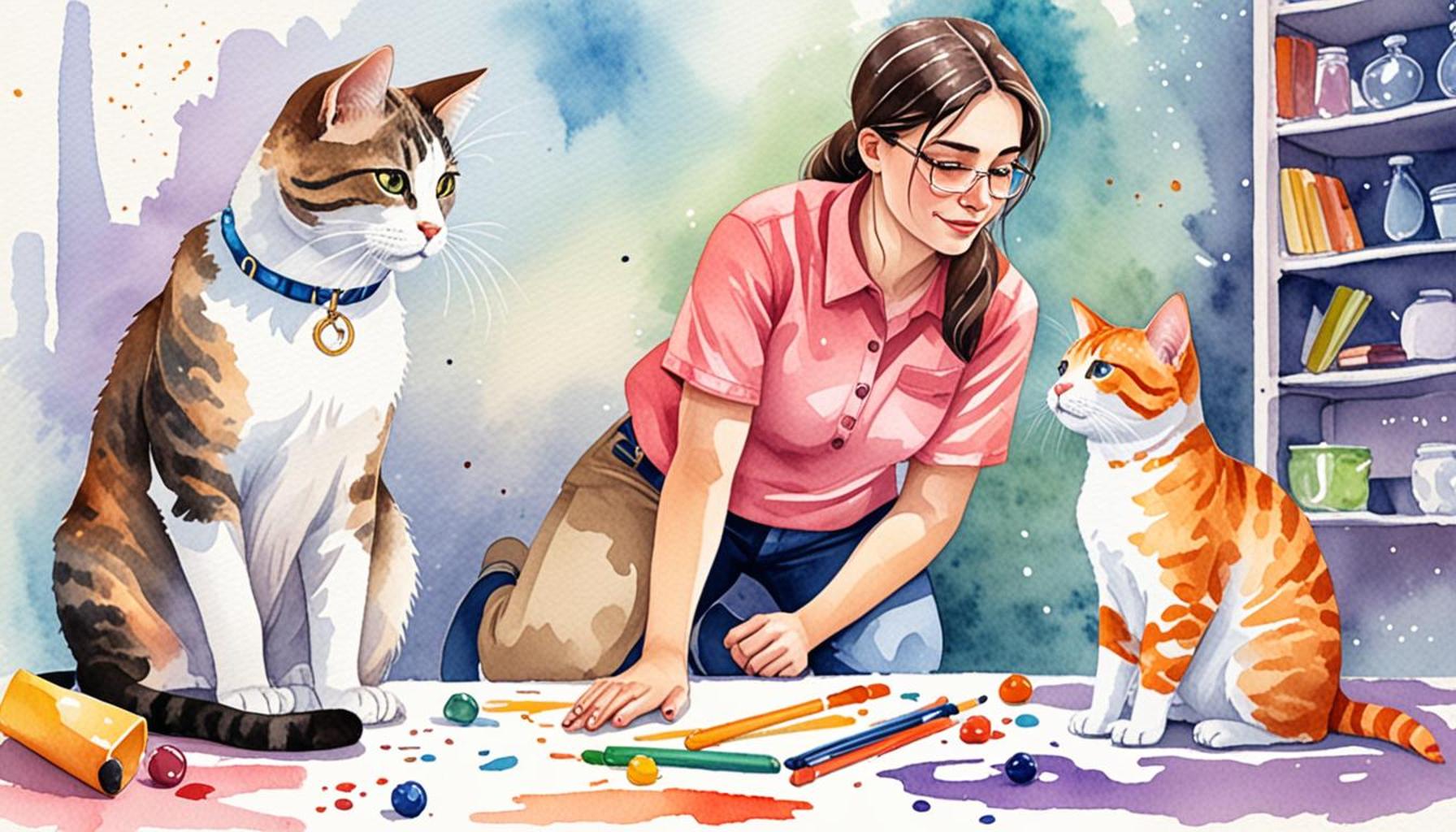
The Importance of Home Training: Establishing Routines for a Well-Behaved Pet
Understanding the Role of Home Training
Raising a pet requires a commitment that goes beyond just providing food and shelter. Home training plays a vital role in molding the behavior of your furry companion while simultaneously strengthening the bond you share. By implementing a structured training routine, pet owners can create an environment characterized by compliance and peace.
Why is Home Training Essential?
- Prevention of Behavioral Issues: A well-trained pet is significantly less likely to engage in destructive behaviors such as chewing furniture or digging through trash. For instance, a dog that understands basic commands like “sit” or “stay” is more manageable in situations that may tempt impulsive actions, such as a family gathering or a visit to the dog park.
- Enhanced Safety: Home training is crucial for your pet’s safety. A dog that is taught to respond to commands like “come” or “leave it” can avoid dangerous situations, such as running into the street or approaching potentially harmful wildlife. Such commands can literally save your pet’s life, especially in outdoor settings.
- Improved Social Interactions: Training enhances your pet’s ability to communicate with other animals and people effectively. A well-socialized dog is more likely to greet visitors politely rather than jump excitedly or bark aggressively, thus fostering a more welcoming atmosphere in your home and community.
Home training lays the groundwork for appropriate behavior across various scenarios. Establishing and adhering to consistent training routines enables pets to learn what is expected of them. Key elements in developing these effective routines include:
- Consistency: Ensuring that commands and training sessions are consistent helps your pet make connections quickly. Each family member should use the same commands to avoid confusion.
- Patience: Recognizing that training is an ongoing process can alleviate frustration. For example, if your puppy is struggling with housebreaking, consistently rewarding them immediately after they go outside can reinforce the desired behavior over time.
- Positive Reinforcement: Employing treats, praise, or playtime as rewards for good behavior encourages pets to repeat desirable actions. This technique not only aids in behavior modification but also boosts your pet’s confidence.
In summary, investing time in home training is transformational for both pets and their owners. As you explore further, you will discover a wealth of techniques designed to create better-behaved pets while enriching the daily life shared with your cherished companion. Engaging in activities like obedience classes or even creating a training schedule can lead to lasting improvements, making home life more enjoyable for everyone involved.
LEARN MORE: Click here to ensure your pet’s long-term health!
Establishing Effective Training Routines
Creating a successful home training routine is not merely a set of exercises to be checked off a list. It is an ongoing commitment that involves fostering a nurturing environment where your pet can thrive. Dogs, for instance, are social animals that thrive on structure and predictability. By establishing specific training routines, you can enhance your pet’s learning process and ultimately cultivate a stronger bond between you and your furry friend.
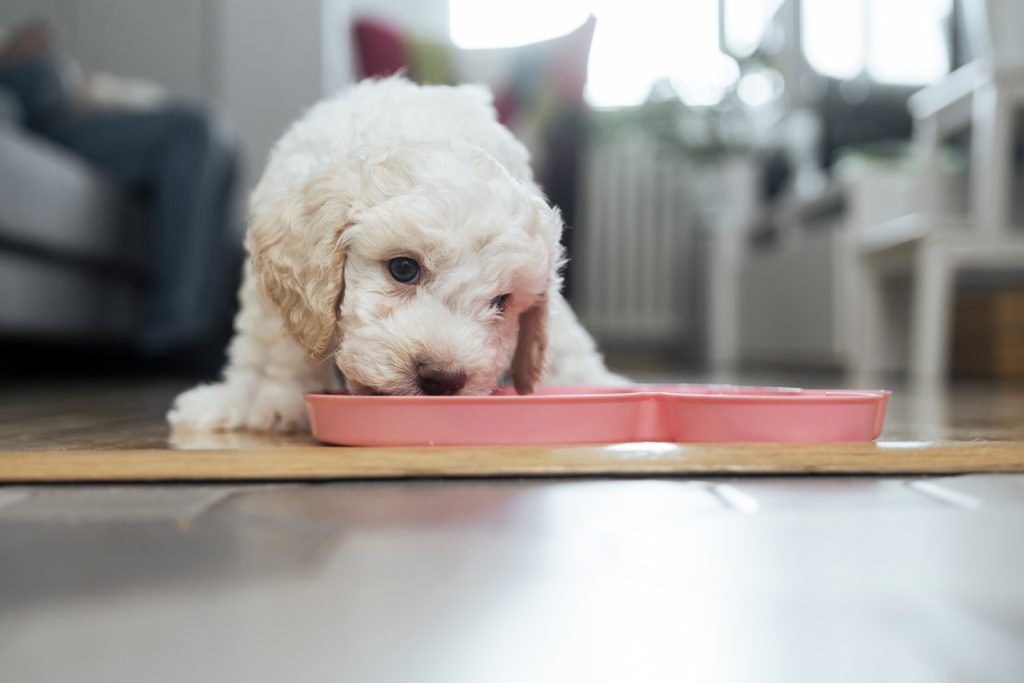
Key Components of a Successful Training Routine
To maximize the benefits of home training, consider focusing on several fundamental components:
- Frequency of Training Sessions: Regular, short training sessions are more effective than infrequent, longer ones. Aim for 5 to 15-minute sessions, two to three times a day. Consistent repetition helps your pet retain information and understand commands better.
- Structured Environment: Ensuring a distraction-free zone during training allows your pet to focus entirely on learning. Utilize specific locations, such as a quiet room or your backyard, and maintain these spaces as controlled environments for training. This will reinforce an association between the area and the training process.
- Age-Appropriate Techniques: Tailoring training methods to suit your pet’s age is crucial. Puppies and young dogs may benefit from simple commands and play-based learning, while older pets might respond better to a structured curriculum emphasizing manners and obedience. Recognizing their developmental stage ensures you use the most effective teaching strategies.
- Socialization as Part of Training: Incorporating socialization activities into your training routine can have lasting impacts on your pet’s behavior. For example, exposing your dog to new environments, people, and other pets helps them become well-rounded and enhances their ability to interact positively with others.
- Clear Communication: Using distinct verbal commands accompanied by hand signals strengthens understanding between you and your pet. Establish a set of commands such as “sit,” “stay,” and “down,” and use these consistently, as every time you issue a command, your pet learns to associate the word with the action.
Moreover, maintaining realistic expectations is essential when implementing training routines. Each pet learns at their own pace, and their unique personalities play a significant role in how effectively they grasp concepts. Therefore, being mindful of your pet’s individual learning style is crucial in fostering a cooperative training atmosphere.
As you delve deeper into the realm of home training, remember that the goal is to enhance the life experience for both you and your companion. Establishing consistent routines and employing effective techniques will not only lead to a well-behaved pet but will also cultivate a rich and fulfilling relationship that benefits the entire household.
| Training Methods | Impact on Behavior |
|---|---|
| Positive Reinforcement | Promotes good behavior through rewards, enhancing your pet’s learning process. |
| Consistency in Commands | Helps eliminate confusion, ensuring pets understand expectations clearly. |
| Routine Establishment | Creates a sense of security for pets, influencing their overall temperament and reducing anxiety. |
| Interactive Play Sessions | Encourages social skills and discipline, leading to a more well-rounded pet. |
Establishing a structured training regimen through these methods not only nurtures confidence in pets but also promotes a healthy bond between the animal and owner. Utilizing techniques such as positive reinforcement encourages pets to connect desired behaviors with favorable outcomes, fostering an environment of trust. Furthermore, employing consistency in commands not only minimizes confusion for your pet but also instills an effective communication channel between you and your furry friend. Additionally, repeated routines help create an atmosphere of predictability, making pets feel secure in their surroundings. This stability can lead to a noticeable reduction in behavior issues stemming from anxiety or uncertainty. Incorporating interactive play into your training routine can further enhance your pet’s socialization skills, yielding a more disciplined and social canine or feline companion. Each of these elements contributes to the broader goal of having a well-behaved pet, ensuring everyday life flows smoothly for both owner and pet alike.
DISCOVER MORE: Click here to learn about effective training techniques
The Role of Positive Reinforcement in Training
One of the most powerful tools at your disposal for successful home pet training is positive reinforcement. This approach not only enriches your pet’s learning experience but also strengthens the bond you share with them. By rewarding desired behaviors with treats, praise, or playtime, you create a motivating environment where your pet is eager to learn and follow your lead.
Understanding Positive Reinforcement
Positive reinforcement involves the use of rewards to encourage specific behaviors. It is essential to deliver rewards immediately after the desired action is performed. This prompt feedback helps your pet make the connection between behavior and reward. For instance, when your puppy sits on command, offering a snack right away will solidify the behavior in their mind. Over time, your pet will begin to associate the command with the action and the subsequent reward, fostering a sense of achievement.
Diversifying Rewards
While treats are a common form of reward, it’s important to offer a variety of incentives to keep your pet engaged. Consider incorporating:
- Praise: Verbal affirmations like “Good job!” can be incredibly motivating. Dogs and cats alike thrive on their owner’s approval!
- Playtime: Many pets are driven by play. Using their favorite toys or engaging in their preferred activities can be a highly effective reward.
- A special place: Allowing your pet access to their favorite resting spot or a cozy blanket when they complete a task can serve as a comforting reward.
Timing is Everything
In the realm of positive reinforcement, timing is critical. The shorter the interval between the desired behavior and the reward, the clearer the message to your pet. This principle is applicable across various pets, from dogs to cats. For example, during litter box training for kittens, immediate praise or a small treat when they eliminate in the correct spot can help reinforce the behavior. Consistency in timing after each successful action ensures your pet understands what is expected of them.
Avoiding Negative Reinforcement
While challenges may arise during training, relying on negative reinforcement or punishment can lead to confusion and fear, which can hinder the training process. Instead, focus on redirecting unwanted behavior. For instance, if your dog tends to jump on guests, redirect their energy into a command they’ve mastered like “sit” and reward them when they comply. This approach teaches them appropriate behavior without instilling fear, allowing your pet to develop confidence and trust in you.
As a pet owner, understanding the importance of positive reinforcement in conjunction with structured training routines creates a holistic approach to home training. By fostering an environment of encouragement and support, you contribute to your pet’s well-being, setting the stage for a well-behaved companion and a harmonious household. Remember, training is a journey, and the rewards of patience and persistence will become apparent as your pet flourishes in a well-trained home. Each day presents a new opportunity to build your bond and cultivate good behaviors that reflect your love and commitment.
LEARN MORE: Click here for essential puppy socialization tips
Conclusion: A Commitment to Training and Bonding
In conclusion, the benefits of home training extend far beyond mere obedience; they lay the groundwork for a well-adjusted, happy pet. Establishing consistent routines not only helps your furry friend understand their role within your home but also fosters a stronger bond between you and your pet. As you implement positive reinforcement strategies, remember that each successful interaction builds trust and confidence, creating a supportive environment for both you and your companion.
Training your pet at home is a proactive approach that enhances your relationship while ensuring safety and reducing undesirable behaviors. The significance of diversifying rewards and focusing on immediate, positive feedback cannot be overstated. As you embark on this rewarding journey, keep in mind the importance of patience and adaptability. Every pet is unique, and the key to effective training lies in understanding their individual needs and responses.
Moreover, maintaining a well-trained pet leads to a more harmonious household, minimizing the stress associated with misbehavior. It transforms daily interactions into opportunities for connection and learning. With dedication and consistency, you not only equip your pet with essential skills but also create a life rich in shared experiences.
Ultimately, home training is not just about teaching commands; it is about nurturing the human-animal bond and enriching the lives of both you and your pet. Seize the day, invest in your pet’s training, and watch as the rewards of your commitment unfold, paving the way for a joyful, well-behaved companion.