The Importance of Dental Health in Maintaining Pets’ Health
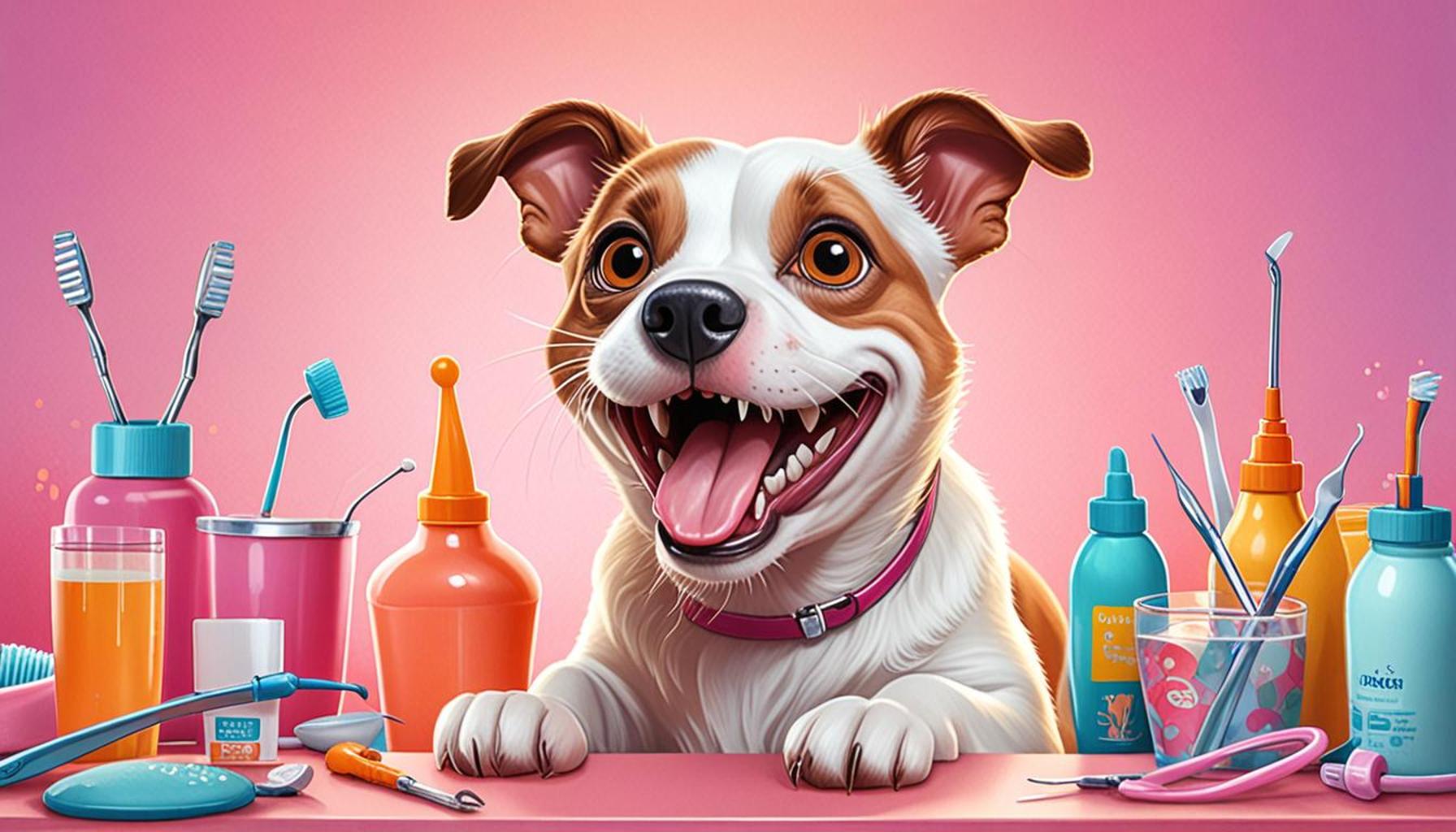
The Importance of Dental Health for Pets
Just like humans, pets require proper dental care to maintain their overall health. It is a common misconception among pet owners that their furry friends can forego dental hygiene. The reality is quite different; neglecting proper oral care can lead to significant health issues, which can often be avoided with a little preventive attention.
Ignoring your pet’s dental health can lead to serious issues, such as:
- Periodontal disease: This is a rampant condition that can affect up to 80% of dogs and 70% of cats by the tender age of three. Left untreated, this disease can result in painful infections, tooth loss, and can even affect your pet’s ability to eat.
- Bad breath: While it may seem trivial, persistent bad breath is often a glaring sign of underlying dental problems. This condition can escalate, leading to discomfort for your pet and difficulties for pet owners during play or cuddle time.
- Systemic health issues: Alarming as it may sound, bacteria from dental disease can enter the bloodstream and impact vital organs such as the heart, liver, and kidneys. This can lead to more severe health issues, thereby increasing veterinary costs in the long run.
By prioritizing dental care, pet owners can help their companions live healthier, longer lives. Regular dental check-ups not only enhance oral hygiene but also empower veterinarians to identify potential health concerns early. In fact, many veterinary practices now offer comprehensive dental packages that include everything from routine cleanings to advanced treatments for more severe dental issues.
Moreover, preventive care is vital in enhancing your pet’s quality of life. To foster optimal oral health, it’s crucial to incorporate:
- Dental cleanings: Professional cleanings are essential for maintaining oral health and should ideally be scheduled annually or biannually, depending on your pet’s specific needs.
- At-home care: Regular brushing can significantly improve your pet’s dental hygiene. Specialty toothbrushes and toothpaste designed for pets are widely available; brushing a few times a week can make a noticeable difference.
- Specialty dental diets: These pet foods are formulated to reduce plaque and tartar buildup, making them a practical option for pet owners interested in preventive care.
Understanding the importance of dental health is the first step toward ensuring your pet’s well-being. With a focus on dental care, you can significantly contribute to your pet’s longevity and happiness. Therefore, make dental health a regular part of your pet care routine and consult with your veterinarian about the best strategies for your furry friend.
LEARN MORE: Click here for insights on socialization and mental health
The Consequences of Neglecting Dental Health in Pets
Understanding the implications of inadequate dental care is essential for all pet owners. The mouth can often be a gateway for bacteria that can infiltrate the bloodstream, and the repercussions go beyond simply bad breath or a sore tooth. When a pet’s dental hygiene is overlooked, it can trigger a cascade of health issues that compromise not only their oral health but their overall quality of life.
Periodontal disease is perhaps the most significant concern related to dental neglect. Beyond being a common affliction, its prevalence is alarming; research suggests that by the age of three, nearly 80% of dogs and 70% of cats display some form of this disease. Periodontal disease is not just a matter of plaque; it leads to inflammation, which can cause painful infections that make everyday actions like eating and playing unbearable for pets. As the condition worsens, teeth can loosen or even fall out, altering how a pet eats and interacts with its environment.
But the consequences do not stop in the mouth. Systemic health issues are a very real concern. The bacteria resulting from dental disease can penetrate the bloodstream and travel to vital organs, potentially causing severe complications such as heart disease, kidney failure, and liver issues. These systemic ailments can ultimately lead to more frequent veterinary visits, increased treatment costs, and, in the worst scenarios, premature death. According to a study published by the American Veterinary Medical Association, the financial burden of treating associated diseases is significantly higher than the costs of routine dental care, making preventive measures economically sensible.
Additionally, maintaining proper dental health provides a key boost to your pet’s quality of life. Beyond the obvious aesthetic issues, like bad breath, oral health impacts a pet’s comfort level and willingness to engage in activities. Imagine how much more enjoyable playtime can be when your pet isn’t suffering from oral pain or discomfort. A pain-free mouth enables your pet to eat comfortably, play enthusiastically, and interact positively with family members.
To better understand the importance of dental health in your pet’s overall well-being, consider adopting the following comprehensive care strategies:
- Regular veterinary check-ups: Schedule dental exams at least once a year. This will allow a veterinarian to identify potential problems before they escalate.
- Daily dental care: Incorporate brushing into your daily routine. Use toothpaste specially designed for pets to prevent harmful bacteria from forming.
- Water additives: Consider using dental water additives or oral rinses to reduce plaque buildup and support gingival health.
- Chew toys: Provide specialized dental chews that naturally scrub the teeth and improve overall oral hygiene during playtime.
In summary, prioritizing dental health is more than just an aesthetic choice; it forms the cornerstone of ensuring long-term health for your beloved animals. By understanding the dire need for dental care, pet owners can take proactive steps to maintain a vibrant and healthy life for their furry companions.
The Importance of Dental Health in Maintaining Pets’ Health
Dental health is a crucial yet often overlooked aspect of overall pet care. Just as with humans, poor dental hygiene in pets can lead to a myriad of health issues. It is essential to understand that oral diseases, such as periodontal disease, can contribute to serious conditions beyond the mouth, affecting organs like the heart, liver, and kidneys. Regular dental check-ups can help prevent these complications, ensuring a longer and healthier life for your pet.
One of the most alarming statistics is that by the age of three, nearly 80% of dogs and 70% of cats exhibit some form of dental disease. This statistic highlights the importance of being proactive about your pet’s dental care. Regular brushing, dental treats, and professional cleanings can significantly enhance oral health, reduce bad breath, and prevent pain and inflammation.
Moreover, owners often underestimate the psychological aspect of dental health. Pets experiencing dental pain may display changes in behavior, become irritable, or become less social. Maintaining good oral hygiene can lead to better overall mental well-being for your furry friends.
| Dental Hygiene Practices | Long-term Health Benefits |
|---|---|
| Regular Brushings | Reduces plaque build-up and prevents gum disease. |
| Professional Cleanings | Removes tartar and allows for early detection of oral health issues. |
Educating oneself about pet dental care can be a game changer. Consult your veterinarian for tailored advice to maintain your pet’s dental health, and consider investing in dental toys and threatening treats designed to promote good oral hygiene.
By focusing on dental health, pet owners not only enhance their pets’ quality of life but also can save on future veterinary costs associated with neglected dental issues. Therefore, it stands that a healthy mouth contributes significantly to a happy, well-adjusted pet.
LEARN MORE: Click here for essential tips
Preventive Measures to Safeguard Your Pet’s Dental Health
Given the severity of the consequences tied to poor dental hygiene, addressing pet dental health proactively can mean the difference between a thriving pet and one frequently plagued by health issues. Integrating dental care into your pet’s routine could not only prevent periodontal disease but also foster a closer bond between you and your furry companions.
One effective strategy in safeguarding your pet’s oral health is through nutritional support. The type of food you feed can affect dental health significantly. High-quality dry food often has a textural quality that helps scrub away plaque during chewing. Additionally, there are specially formulated dental diets that contain specific enzymes that assist in reducing plaque and tartar buildup. Be sure to consult your veterinarian about the best dietary options suited to your pet’s age, size, and overall health needs.
Another component to consider is professional dental cleanings. Just as humans require regular dental visits, pets need similar professional evaluations and cleanings to maintain oral health. These cleanings allow veterinarians to identify and address issues like tooth decay, gingivitis, or oral tumors before they escalate. The American Animal Hospital Association recommends that veterinary dental cleanings take place at least annually, but depending on a pet’s health and breed specifics, this may need to be conducted more frequently.
Moreover, pet dental products have evolved over the years, making it easier for owners to contribute to their pet’s oral hygiene. Consider using oral gels that contain chlorhexidine, a common antiseptic that has been shown to reduce plaque and improve gum health. Pet owners should always look for products endorsed by veterinary dental organizations to ensure quality and effectiveness.
Recognizing Signs of Dental Distress
Awareness of potential indicators of dental disease is crucial for early intervention. Pet owners should remain vigilant for signs such as Pawing at the mouth, excessive salivation, or difficulty eating. Additionally, if you notice dark spots on teeth, swollen gums, or persistent bad breath, it’s vital to consult your veterinarian promptly. These conditions can indicate that dental disease is present, necessitating medical attention before more severe complications arise.
The Role of Education in Pet Owners’ Responsibilities
Educating oneself about the oral health needs of pets is another paramount measure. Pet owners in the United States can take advantage of various resources offered by breed-specific organizations, veterinary clinics, and pet wellness programs. These avenues not only provide essential information on dental care but also help you stay updated on emerging research surrounding pet health.
Social media and online communities can also be beneficial for sharing personal experiences and learning from fellow pet owners. Combining advice from professionals with peer insights creates a holistic understanding of how to prioritize dental health in your unique situation.
Ultimately, making an informed investment in your pet’s dental health is instrumental in ensuring long-lasting health benefits and an improved quality of life. Taking action now can prevent complex health issues down the line while reinforcing the cherished companionship that pets bring into our lives.
DISCOVER MORE: Click here to learn about preventive care for your pets
Conclusion: The Vital Role of Dental Health in Overall Pet Wellness
In conclusion, the significance of dental health for pets cannot be overstated. As we’ve explored, maintaining a pet’s oral hygiene is a critical component of their overall wellness and longevity. Neglecting dental care can lead to serious health complications, including widespread infection and systemic diseases that affect vital organs such as the heart and kidneys.
By adopting preventive measures such as implementing a suitable diet, scheduling regular professional cleanings, and utilizing effective dental products, pet owners can significantly enhance their furry friend’s quality of life. Recognizing early signs of dental distress allows for timely interventions, preventing minor issues from escalating into debilitating health challenges.
Moreover, the onus is on pet owners to become educated advocates for their pets’ dental health. Utilizing resources from veterinary clinics, breed-specific organizations, and online communities can provide valuable insights and support. Being proactive in this regard not only addresses current concerns but also fosters deeper connections between pets and their owners.
Ultimately, prioritizing dental health is a profound act of love and responsibility. Engaging in consistent dental care and staying informed can ensure that your pets enjoy healthy, happy lives for years to come. Remember, a healthy mouth is crucial for a healthy body—make dental health a priority in your pet care routine.