The Importance of Body Language in Pet Training: How to Read and Respond to Your Pet’s Behavior
Understanding Your Pet’s Silent Signals
Animals are master communicators, but their language is often unspoken. Pets convey their feelings, desires, and needs primarily through body language rather than vocalizations. This is particularly true for dogs and cats, whose behaviors can give rich insight into their emotional states. For pet owners, keenly observing these non-verbal cues is a key step toward fostering a deeper bond with your furry companions. By interpreting these signals, you can customize your training approaches to align with their emotional landscape, ultimately leading to a more harmonious relationship.
Key Indicators of Body Language
Understanding your pet’s body language requires attention to various aspects of their posture and movement. Consider these crucial elements:
- Tail Position: A dog’s tail is like a mood barometer. An elevated tail usually indicates happiness or excitement. For instance, when your dog greets you at the door with a wagging tail, they are expressing sheer joy. Conversely, if the tail is lowered and tucked between their legs, it could signify submission or fear, often seen in pets that have experienced trauma.
- Posture: How your pet stands can also reveal their emotions. A relaxed dog may have a loose, open body stance, prancing happily around the house. In contrast, a tense posture, characterized by stiff legs and raised hackles, might indicate readiness to defend or aggression, often triggered by perceived threats.
- Ears: The positioning of your pet’s ears can provide a wealth of information. Ears held upright and facing forward typically suggest curiosity and attentiveness; however, if your pet’s ears are pinned back against their head, this may indicate stress, fear, or even aggression.
These simple observations can transform the way you approach training and interactions with your pet. Being tuned in to your animal’s emotional state doesn’t just help with training—it significantly enhances their overall well-being. As a responsible pet owner, recognizing and responding to your companion’s feelings helps nurture trust, cooperation, and a secure environment for them.
The Importance of Observation
Your pet’s behaviors mirror their feelings and, therefore, directly influence your mutual relationship. Attentive observation of each tilt, wag, and stance can be illuminating. Imagine you are out for a walk and your dog suddenly stops, tail tucked, and ears back. This may be a moment for you to explore their surroundings, as they may be sensing something unsettling. By being proactive in these situations, you foster a sense of safety for your pet.
As you delve into this exploration of body language in pet training, you will discover that every movement speaks volumes. The more you understand these silent signals, the more effectively you can train and nurture your furry friend, ensuring a joyful and fulfilling companionship.
DISCOVER MORE: Click here to learn about the pet adoption process
Decoding Your Pet’s Emotional State
If you are to forge a meaningful connection with your pet, the first step is to familiarize yourself with their behavioral nuances. Every shift in their body language tells a story, revealing insights into their feelings, needs, and reactions to their environment. By honing your observation skills, you can learn to interpret these signals effectively and respond appropriately. This understanding plays a pivotal role in pet training, as being attuned to your animal’s emotional state can greatly enhance the training process.
Common Behavioral Signs to Watch For
Here are some key behavioral cues that you may encounter, which serve as vital indicators of your pet’s emotional condition:
- Vocalizations: While pets communicate largely through body language, vocalizations can complement these signals. A bark may be an invitation to play, while a low growl may suggest discomfort or warning. Context is critical; pay attention to the accompanying body language for a clearer picture.
- Eye Contact: Direct eye contact can vary in meaning across different animals. For dogs, prolonged eye contact may signify trust and affection; however, for cats, it could be a warning sign. Gently blinking at your cat can acknowledge their comfort and encourage a bond.
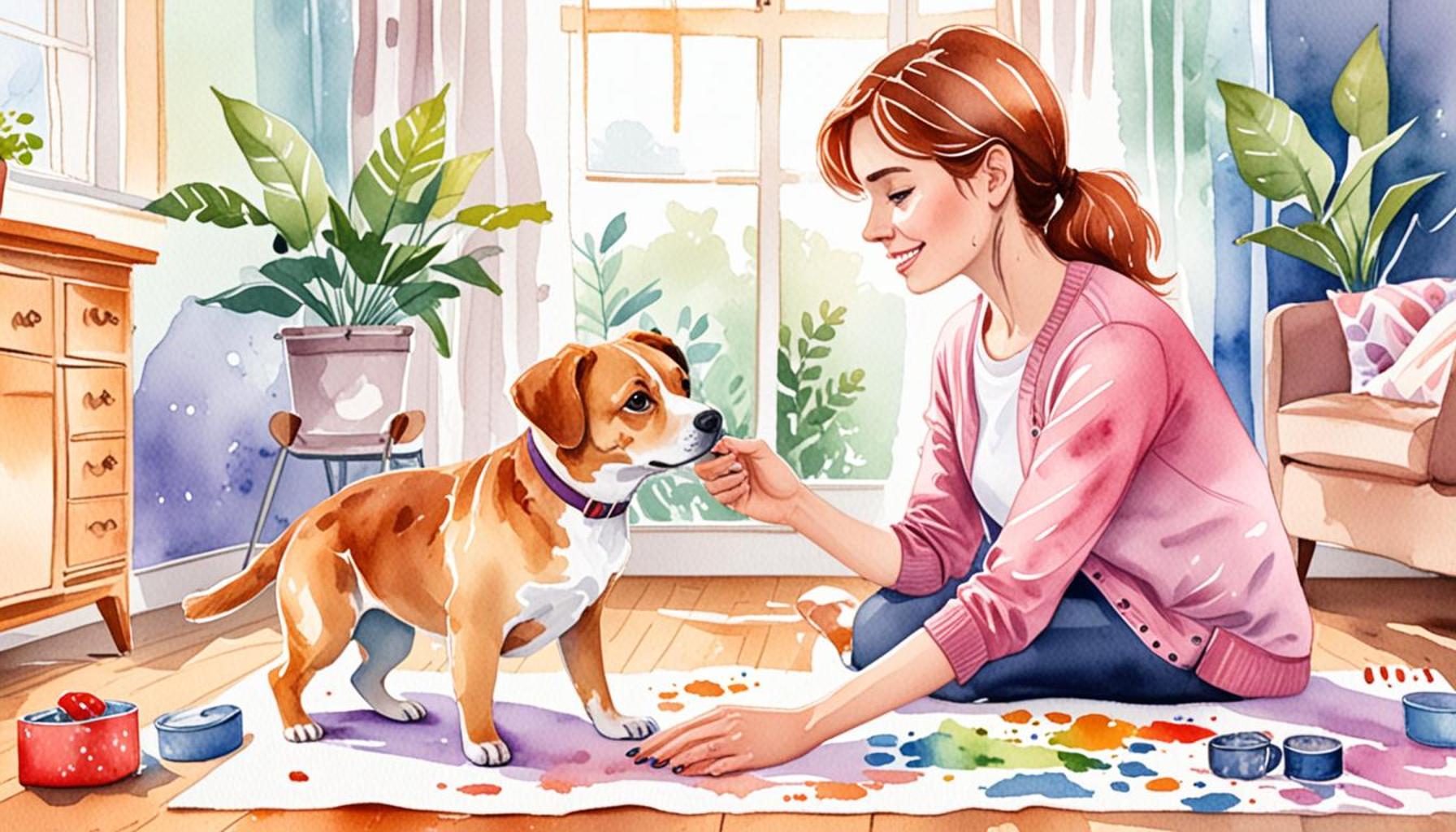
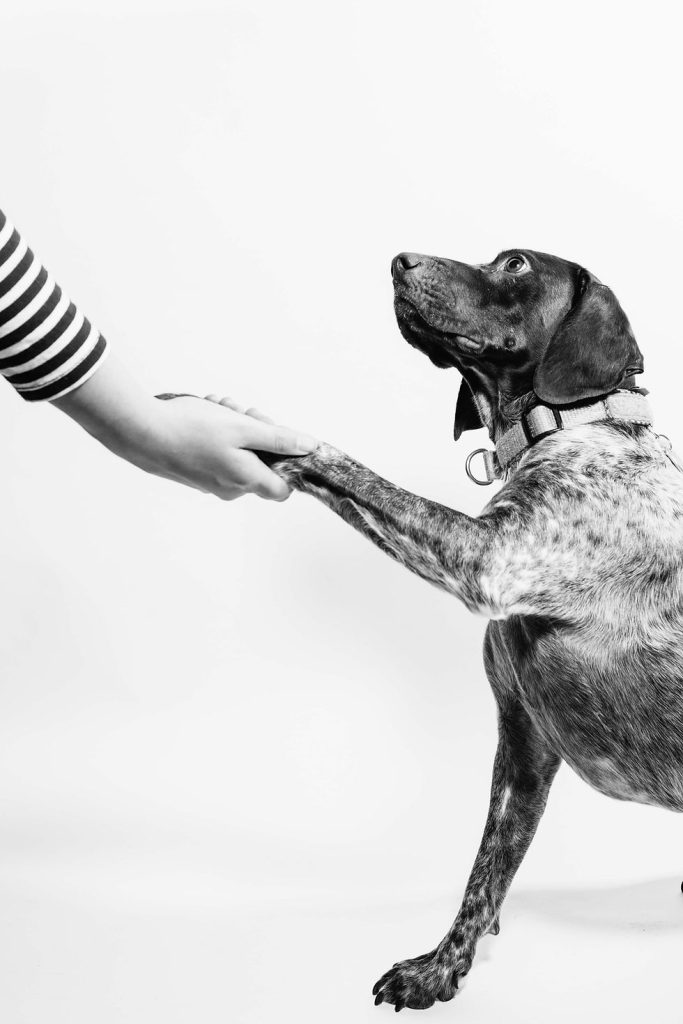
- Pawing: A pet that nudges with their paws or tries to climb onto your lap is often seeking affection or attention. This behavior signals that they want to engage, making it an ideal opportunity for positive reinforcement and training.
- Licking and Nuzzling: When pets lick you or nuzzle against you, they are often showing affection or seeking your comfort in return. These behaviors can signal a strong bond and help reinforce the training experience.
Understanding these signals allows you to adapt your training methods to better cater to your pet’s unique personality and emotional needs. For instance, if your dog exhibits signs of anxiety during training, such as panting or pacing, it might be wise to take a step back and create a more relaxed training atmosphere.
Creating a Dialogue with Your Pet
Engaging in a continuous dialogue with your pet, through observation and response to their body language, fosters trust and understanding. This two-way communication encourages your pet to express themselves, and as their owner, you are better equipped to address their needs and desires. Just as a conversation builds a friendship, responding to their silent signals strengthens the bond between you and your pet.
In conclusion, the journey of understanding your pet’s body language is enlightening. By paying attention to their cues and responding with empathy, you create a positive feedback loop of communication, ultimately enriching your pet’s life and enhancing your training techniques. As you delve deeper into this fascinating realm, you will discover that your pet’s gestures and movements are not just random behaviors; they are the foundation of your relationship.
| Body Language Signals | Understanding and Reacting |
|---|---|
| Tail Wagging | Indicates excitement or happiness; however, faster wags can signal anxiety. |
| Posture | A relaxed posture suggests comfort, while a stiff stance could signal stress or aggression. |
| Ear Position | Ears perked forward show curiosity; ears flat against the head often indicate fear. |
| Eye Contact | Soft stares can indicate affection; hard gazes may reflect discomfort or challenge. |
| Vocalization | Barking, growling, or whining can provide context about emotional states and needs. |
Understanding body language in pets is crucial for effective training and establishing a strong bond. For instance, the way a dog wags its tail can vary in meaning; therefore, interpreting these signals accurately can inform how you respond. A dog that displays excitement may require different reinforcement strategies than one that is showing signs of anxiety. Similarly, observing ear position or posture can reveal feelings of comfort or discomfort in various situations. Cats exhibit their own set of body language cues, such as the positioning of their tails or the closing of their eyes, which often signifies trust and contentment. By tuning in to these behavioral signals, pet owners can more effectively communicate and strengthen their relationship with their companions, ultimately making training processes smoother and more rewarding. Remember, the more you understand your pet’s behavior, the better equipped you are to train and respond appropriately.
LEARN MORE: Click here for essential pet health tips
Navigating Training Through Body Language
Understanding your pet’s body language is not only beneficial for recognizing their emotional state, but it also plays a critical role in enhancing the effectiveness of pet training. By aligning your training methods with your pet’s innate communication style, you can create a more harmonious learning environment that fosters growth and cooperation.
The Role of Positive Reinforcement
Positive reinforcement is a fundamental concept in pet training that hinges on effectively reading body language. When your pet displays a desirable behavior, such as sitting on command, recognizing their excitement or calmness through body language helps to reinforce their actions. For instance, if your dog sits quietly and maintains a relaxed posture, showering them with praise and treats in that moment can affirm the behavior. Observing and responding to their body language allows you to identify precisely when to deliver the reward, making the learning process more intuitive for your pet.
Addressing Negative Behaviors
On the other hand, recognizing when your pet is distressed is equally crucial. Signs of unease, such as a tucked tail, flattened ears, or pacing, can indicate that your pet is overwhelmed by the training session or the environment. If you notice these signals, it’s essential to pause and assess the situation. Transitioning to a quieter space, or incorporating calming techniques, such as soothing tones or gentle strokes, can help alleviate their anxiety. By responding empathetically to their body language, you cultivate a deeper trust and make training a positive experience.
Training Through Play
Playtime is a fantastic opportunity to reinforce training while leveraging your pet’s body language. Pets thrive on interactive games that stimulate their minds and bodies. For dogs, activities such as fetching or tug-of-war can reveal their enthusiasm and engagement levels. The way your dog approaches the toy—tail wagging, relaxed posture, and playful barking—indicates their eagerness to participate. In these moments, acknowledging their excitement with a reward works wonders in strengthening training pathways. Similarly, with cats, observing their stalking behavior leading up to pouncing during play can be used to guide training practices that capture their natural hunting instincts.
Observing Changes Over Time
As you continue your training journey, it’s valuable to keep a record of your pet’s changing body language. Animals, much like humans, may exhibit different behaviors as they grow, learn, and develop their personalities. A once-timid dog may gradually showcase more confidence with familiarity and consistency during training. Noting these evolutions helps refine your training techniques to better suit their current emotional state. Additionally, being aware of these changes allows you to adjust your approach, ensuring that your training remains effective and responsive to their needs.
Integrating a keen awareness of body language into your training routine is an ongoing process that requires patience and practice. With each interaction, you strengthen the bond between you and your pet, leading to a more enriching training experience. By appreciating the silent communication your pet offers, you not only become an effective trainer but also a compassionate friend who understands the essence of their behavior.
LEARN MORE: Click here to discover how to nourish your aging pets
Conclusion: Unlocking the Communication Gateway to Train Your Pet
In conclusion, the significance of body language in pet training is undeniable. By mastering the art of interpreting your pet’s non-verbal cues, you can transform the training experience into a rewarding journey for both you and your animal companion. Effective pet training relies on a mutual understanding where you tune into your pet’s emotional states and respond accordingly. Whether through the implementation of positive reinforcement, or addressing negative behaviors with empathy, your ability to observe subtleties in body language can enhance the bond you share.
Moreover, recognizing that play and training go hand-in-hand highlights the adaptability of your methods to fit your pet’s natural instincts. Engaging in playful activities not only sharpens their skills but also makes learning enjoyable, which is fundamental in maintaining their interest and enthusiasm. Remember, each animal is unique, and as you document changes over time, you will continue to refine your approach to meet their evolving needs.
Ultimately, understanding body language is not just about training; it’s about creating a habitat where trust and communication thrive. When you embrace your role as an observer and communicator, you move beyond traditional teaching methods to become a responsive partner in your pet’s life. With each training session grounded in an understanding of their silent cues, you pave the way for a more fulfilling relationship that celebrates the joys of companionship and mutual respect.