
The Importance of Bathing and Hygiene in Pet Health
Understanding Pet Hygiene
Maintaining proper hygiene and regular bathing for pets goes beyond mere aesthetics. It plays a crucial role in their overall health and well-being. Neglecting these practices can lead to serious health issues that may affect both pets and their owners.
Why is Pet Hygiene Important?
- Prevention of Skin Disorders: Regular bathing can help prevent skin problems such as allergies and infections. For instance, breeds like Bulldogs are prone to skin folds that can trap dirt and moisture, creating an environment for bacteria to flourish. By incorporating regular baths, you can minimize the occurrence of conditions such as pyoderma.
- Control of Parasites: Bathing frequently reduces the risk of fleas, ticks, and other parasites. Products infused with flea control can be beneficial here; for example, medicated shampoos help prevent infestations while providing relief from itching. In areas like the southeastern United States, where flea populations can soar in the warm months, having a consistent bathing routine is crucial.
- Odor Control: Proper hygiene keeps your pet smelling fresh, reducing unpleasant odors in your home. Dogs, especially those that love outdoor activities, can develop a ‘doggy smell’ if not bathed regularly. Using quality shampoos designed for pets can help in maintaining a pleasant aroma while being gentle on their skin.
Furthermore, bathing allows pet owners to conduct thorough checks of their pet’s skin and coat. This routine can help identify issues early on, such as lumps or lesions that may require veterinary attention. Early detection can lead to more effective treatments and better health outcomes.
The Benefits of Regular Bathing
- Enhanced Bonding: Bathing your pet provides an opportunity to bond and create a trusting relationship. This time together can foster a calm and understanding atmosphere, easing anxieties that pets might experience during grooming.
- Improved Coat Condition: Regular grooming helps maintain a healthy and shiny coat. Utilizing high-quality brushes alongside baths can prevent matting in long-haired breeds like Golden Retrievers, ensuring their fur remains clean and well-kept.
- Better Hygiene for Owners: Clean pets contribute to a healthier living environment for you and your family. In homes where pets sleep on beds or furniture, maintaining their hygiene directly affects the overall cleanliness of the indoor space. Regular baths can help reduce allergens and dander, an important consideration for allergy sufferers.
As pet owners in the United States, understanding these aspects is vital to ensuring your furry companions lead happy and healthy lives. It’s worth investing the time and effort into educating yourself about the best practices for pet hygiene, as it rewards both your pet and your household with improved health and well-being. Dive deeper into the practices that fortify your pet’s health, and explore the variety of products available in your local pet store or even online to elevate your pet care routine. The commitment to maintaining a hygienic lifestyle for pets can lead to a significantly enhanced quality of life for everyone in your home.
DISCOVER MORE: Click here to learn about choosing the perfect pet
Essential Aspects of Bathing Your Pet
Bathing your pet is more than just a routine; it’s a fundamental component of maintaining their overall health. The simple act of bathing can significantly influence your furry friend’s quality of life and longevity. While many might see it as a chore, recognizing the multifaceted benefits of proper hygiene can transform how pet owners approach regular bathing.
Physical Health Benefits
- Reduction of Allergens: Regular baths can significantly reduce the presence of allergens, including pollen, dust mites, and mold spores in your pet’s fur. For households in areas with high pollen counts, such as the Midwest during allergy season, frequent bathing can help minimize your pet’s discomfort.
- Skin Hydration: Bathing with appropriate, pet-safe shampoos hydrates the skin, supported by ingredients like aloe vera and oatmeal. This is particularly beneficial for dogs or cats living in dry climates, such as the Southwest United States, where skin conditions like flakiness can become problematic.
- Promoting Circulation: The act of washing, massaging, and rinsing your pet’s skin can enhance blood circulation. Improved circulation is essential for overall health and can prevent conditions related to reduced blood flow.
Moreover, bathing is an excellent way to keep an eye on your pet’s weight and body condition. During bath time, you have an opportunity to feel for any unusual lumps, bumps, or changes in your pet’s body that might otherwise go unnoticed. By making veterinary check-ups a part of this routine, you cultivate a proactive mindset towards your pet’s health.
The Psychological Aspect of Hygiene
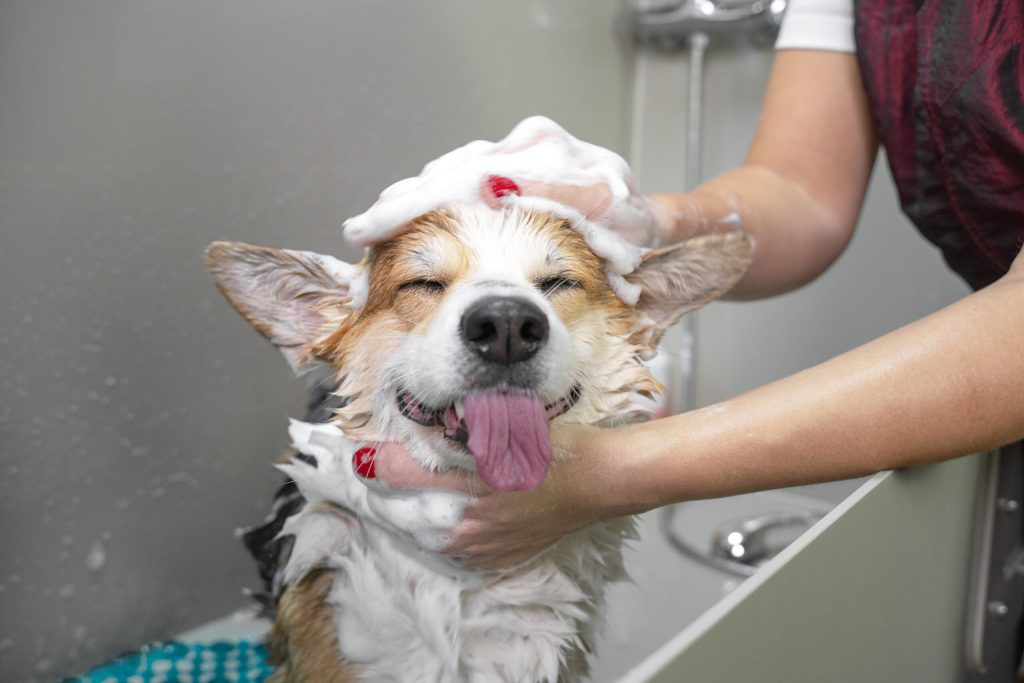
- Stress Reduction: Just like humans, pets can experience anxiety. Bathing provides a calm and nurturing environment that can soothe anxious pets. For example, dogs prone to nervousness can benefit from the gentle touch and care that comes with a bath.
- Behavioral Improvement: Clean pets tend to have better behavior and temperament. A hygienic environment can lead to a decrease in irritability and stress in pets, resulting in a more harmonious home life.
- A Structured Routine: Establishing a regular bathing schedule helps create a sense of predictability for your pet. This routine is beneficial as it fosters stability and can alleviate anxiety related to uncertainty.
Through regular bathing, pet owners can create a holistic approach to pet care that emphasizes both physical and psychological well-being. In addition to enhancing hygiene, the bonding moments that occur during these times can be invaluable. As you explore various bathing techniques and products available in stores or online, remember that quality is key. The right products not only promote cleanliness but also contribute to improved health outcomes for your beloved companions, ensuring they enjoy a vibrant and joyful life.
| Advantage | Description |
|---|---|
| Improved Skin Health | Regular bathing helps remove excess oils and dirt, reducing the risk of skin conditions. |
| Prevention of Parasites | Bathing regularly aids in the removal of fleas, ticks, and other parasites that can harm your pet. |
Incorporating regular bathing into your pet care routine is essential for maintaining their overall health. For instance, many pet owners underestimate the impact of bathing on skin health. Dirt and oils can accumulate over time, leading to irritation or infections. A proper bathing regimen not only keeps them clean but also allows pet owners to observe any changes in the skin or coat that may indicate health issues.Additionally, bathing plays a substantial role in the prevention of parasites such as fleas and ticks, which can lead to serious health problems if left untreated. By introducing a consistent hygiene schedule, you’re not just promoting cleanliness, but you’re actively protecting your furry friend from potential health threats. This multifaceted approach to hygiene ensures that your pet remains in peak condition, making them happier and more energetic companions.
LEARN MORE: Click here for essential tips on preventive care for your pets
Bathing Techniques and Best Practices
While understanding the importance of bathing in maintaining pet health is crucial, it is equally important for pet owners to know the best techniques to employ during bath time. Implementing correct practices can enhance the bathing experience for both pets and owners, making it a more enjoyable and beneficial process.
Choosing the Right Products
- Pet-Safe Shampoos: Utilizing shampoos specifically formulated for pets is essential. Human shampoos can disrupt the natural pH balance of a pet’s skin, potentially leading to issues like dryness and irritation. Brands like All-Natural Pet and Vet’s Best offer a range of hypoallergenic options tailored for various skin types, ensuring your pet remains comfortable during and after baths.
- Conditioners: Similar to shampoos, using a conditioner designed for pets can offer additional hydration and shine to their coat. Ingredients such as coconut oil and vitamin E are beneficial for maintaining a healthy, lustrous fur.
- Incorporating Natural Remedies: Food-grade oils, such as olive oil or neem oil, can be mixed into pet shampoos. These ingredients not only promote a shiny coat but also have natural insect repellent properties, helping to keep pests at bay.
Proper Bathing Techniques
- Temperature Control: Warm water is the best choice when bathing your pet. Water that is too hot can cause discomfort and skin irritation, whereas cold water may lead to shock. Ensuring that the water is comfortably warm will help soothe your pet during the process.
- Gentle Handling: Many animals can be skittish about water, so it’s vital to handle them with care. Speak softly and reassuringly throughout the bath to keep your pet calm. Using a non-slip mat in the tub or sink can also prevent accidents and make your pet feel more secure.
- Thorough Rinsing: Neglecting to rinse out shampoo adequately can lead to skin irritation and buildup, so it’s crucial to rinse until the water runs clear. Be mindful of sensitive areas such as the ears and face, taking extra care to avoid getting water and shampoo in these spots.
Bathing Frequency
- Determining Ideal Frequency: The frequency of bathing will depend on your pet’s specific coat type and lifestyle. For example, dogs that enjoy frequent outdoor activities may require baths every few weeks, while indoor cats may only need a bath every few months. Consulting with a veterinarian can provide tailored recommendations based on your pet’s needs.
- Signs Your Pet Needs a Bath: Beyond a regular schedule, observant pet owners will recognize signs of needing a bath, such as an unpleasant odor, excessive scratching, or a visibly dirty coat. Addressing these indicators promptly can prevent associated health issues from developing.
Establishing a reliable bathing regimen not only addresses cleanliness but also contributes to the overall well-being of your pet. By integrating these best practices, pet owners can create a soothing experience during bath time, ultimately leading to enhanced hygiene and health for their four-legged companions. As you delve deeper into the myriad of ways to optimize your pet’s bathing routine, remember to enjoy this bonding time and the benefits it brings not just to hygiene, but to emotional wellness as well.
DISCOVER MORE: Click here to learn essential puppy socialization techniques
Conclusion
Maintaining proper hygiene through regular bathing is fundamental to ensuring the health and well-being of our pets. Consistent bathing not only keeps them clean but also plays a crucial role in preventing skin irritations, infections, and pests that can affect their quality of life. Understanding the importance of using pet-safe products and employing gentle bathing techniques enhances the bathing experience, making it a more positive interaction between pet and owner.
Furthermore, establishing a personalized bathing schedule based on your pet’s specific needs can help to mitigate any emerging health issues while fostering a deeper bond between you and your furry companion. Monitoring signs that indicate the need for a bath can promote proactive care and reflect a pet owner’s commitment to their pet’s overall health.
As we continue to uncover the multifaceted impact of bathing and hygiene in pet care, it becomes evident that regular grooming routines contribute not only to physical health but also to the emotional well-being of our pets. So, the next time you prepare for bath time, remember that it is more than a chore; it is an essential part of a loving partnership with your pet. Investing time in their hygiene fosters a clean, happy, and healthy environment for our beloved companions, ensuring they thrive in our care.