
Rescue Skills Training: How to Teach Your Dog to Help in Emergency Situations
Essential Skills for Your Dog in Times of Crisis
Imagine your beloved dog not only as a pet but as a vital ally in times of crisis. With the right training, your furry friend can learn essential rescue skills that can potentially save lives. This comprehensive guide will delve into the fascinating world of rescue skills training, highlighting how to equip your dog to assist in emergencies.
- Types of Emergency Situations: Understanding the various scenarios where your dog can lend a paw, including:
- Finding Lost Individuals: Dogs have a remarkable sense of smell, often thousands of times more acute than that of humans. This ability can be harnessed for search and rescue missions, whether to locate a child lost in a park or an elderly person with dementia wandering away from home. Specifically, training in tracking and scent identification can prepare your dog to play a crucial role in such situations.
- Alerting to Fires or Gas Leaks: Certain breeds, particularly those with keen olfactory skills, can be trained to detect smoke or dangerous gases like carbon monoxide. This training involves exposing your dog to specific scents and rewarding them for alerting you, potentially saving you and your family from significant harm.
- Providing Emotional Support during Crises: Dogs can be incredibly intuitive, often sensing when their owners are stressed or anxious. In times of personal or communal crisis, having a trained therapy dog can provide comfort and emotional stability, enhancing the well-being of those around them.
Training your dog for such responsibilities not only enhances their abilities but also strengthens your bond. The process involves a combination of practical techniques, patient repetition, and progressive skill development. Engaging your dog in activities that mimic real-life emergencies can make the training both effective and enjoyable.
- Key Skills to Develop: To ensure your dog’s readiness, consider these vital skills:
- Basic Obedience Commands: Mastering commands like “sit,” “stay,” and “come” is foundational. These commands ensure your dog can follow your lead during chaotic situations, keeping them safe and focused.
- Search and Rescue Techniques: This specialized training often involves teaching your dog how to respond to specific commands related to tracking and locating a person. Partnering with professional trainers can provide your dog with the necessary skills to operate effectively in real-world rescue scenarios.
- Emergency Response Training: Familiarizing your dog with various emergency response protocols—such as navigating safely around obstacles, identifying safe spaces, and working with first responders—can increase their effectiveness as a team member during emergencies.
With proper guidance and consistent practice, your dog can become not only a loyal companion but also an essential first responder. Are you ready to embark on this life-changing journey? Through dedication to rescue skills training, you’ll cultivate a stronger relationship with your canine partner while preparing them to assist in critical situations that may arise in the future.
DISCOVER MORE: Click here to learn about the pet adoption process
Preparing Your Dog for the Unexpected
Training your dog for rescue skills goes beyond simple obedience. It requires a structured approach, patience, and understanding how your dog learns best. At the heart of effective training is the need to create a practice environment that simulates real emergency situations. Here are some fundamental aspects you should consider to prepare your pooch for these vital roles.
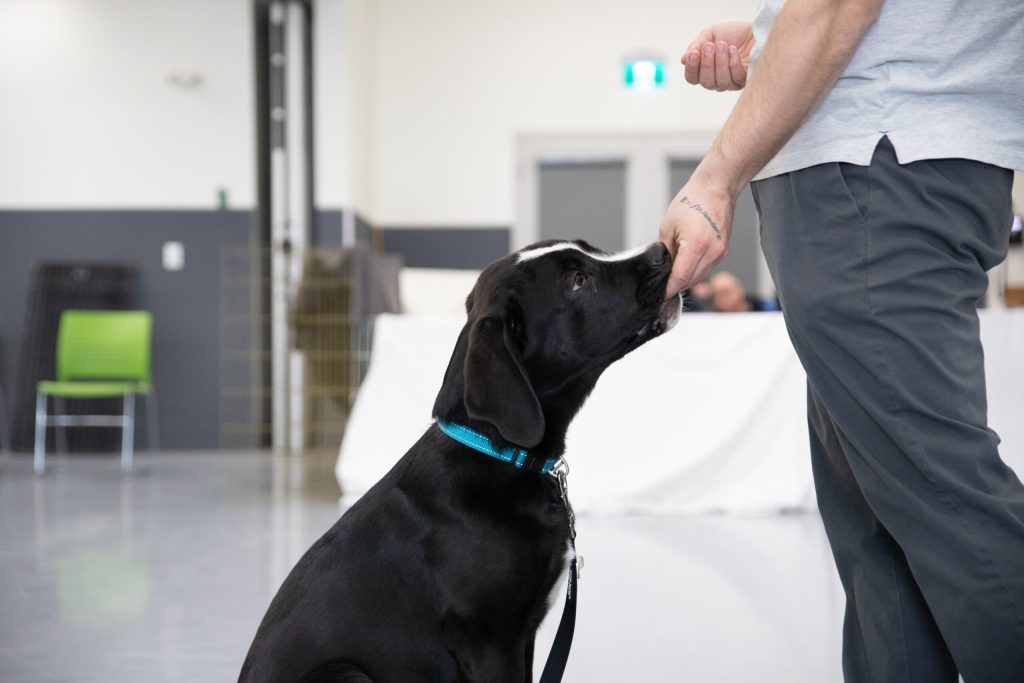
- Establishing a Routine: Consistency is key when it comes to training. Developing a structured training routine will help your dog grasp rescue commands and techniques more effectively. Incorporate short sessions multiple times a week to reinforce learning without overwhelming your dog. A consistent schedule not only aids retention but also builds a sense of security for your canine companion.
- Positive Reinforcement: This training methodology is crucial for any successful learning process. Make use of treats, praise, and affection to reward your dog whenever they correctly perform a command or task. Positive reinforcement will deepen your dog’s desire to participate and assist, as they establish a connection between the desired action and rewards.
- Safeguarding Their Environment: Before you dive into more advanced training, it’s important to ensure your dog can navigate their surroundings safely. Create a safe area in your home or yard where they can practice. Remove hazards or distractions that could interfere with their learning, eliminating any potential risks during training sessions.
Furthermore, understanding your dog’s unique personality traits can enhance training efficacy. For instance, some dogs may be naturally more curious or focused, while others may require additional encouragement to engage. Tailor your training methods to align with your dog’s temperament for optimal results.
Engaging Exercises to Build Rescue Skills
Incorporating engaging exercises can make the training process both fun and effective. Here are some activities to help cultivate essential skills that could come in handy during emergencies:
- Scent Games: Engage your dog in nose work by hiding treats or favorite toys around your home or yard. This activity hones their natural scent detection abilities, a crucial skill for search and rescue scenarios. As your dog improves, gradually increase the difficulty by hiding items in more challenging locations.
- Obstacle Courses: Create a makeshift obstacle course using everyday household items like cones, chairs, or cardboard boxes. Guide your dog through the course using commands, rewarding them for completing challenges. This exercise builds their confidence and helps them become accustomed to navigating unfamiliar or tricky environments.
- Mock Emergencies: Simulate various emergency situations to practice responses. For example, you might pretend that a family member is lost in the backyard or place a mock barrier to simulate navigating around obstacles. Reinforce commands like “find” or “come” to teach your dog to alert you to the situation effectively.
By incorporating these exercises, you not only teach your dog essential rescue skills but also foster a stronger bond through quality interactive time. Remember that the goal is not just training your dog to respond to commands but also nurturing their instinct to assist when needed.
| Training Category | Skills Developed |
|---|---|
| Basic Commands | Teaching your dog commands such as “stay,” “come,” and “leave it” lays the foundation for more advanced rescue skills. |
| Search and Rescue Techniques | By training your dog to locate individuals, they can assist in emergency situations, like finding missing persons or alerting others. |
| First Aid Response | Dogs can be trained to bring first aid supplies or alert you to distressed individuals, making them invaluable in emergencies. |
| Mobility Assistance | Dogs can help individuals with limited mobility by providing support and retrieving items, enhancing safety in precarious situations. |
Incorporating these skill sets not only builds a stronger bond between you and your dog but also equips your canine companion to play a vital role in unexpected situations. By investing time in rescue skills training, you ensure that your dog becomes an active participant in keeping your family safe, empowering them to respond effectively during emergencies. As you explore more sophisticated training techniques, consider the benefits of enrolling in specialized programs or connecting with professional trainers who can provide insights tailored to your dog’s unique abilities. Each skill learned becomes a part of your dog’s repertoire, creating a well-rounded helper who can react when it matters the most.
LEARN MORE: Click here for important insights
Empowering Your Dog Through Specialized Training
While creating a solid foundation through routine and exercises is vital, introducing more specialized training will further equip your dog with advanced rescue skills. These skills will not only enhance their abilities but also prepare them to tackle more challenging situations that could arise during emergencies. Here are several specialized training approaches to consider:
- Basic First Aid Commands: Teach your dog to respond to commands that could be critical in emergency situations. For instance, commands like “stay,” “leave it,” and “go get help” can guide them to stay away from danger or even summon assistance when needed. Practicing these commands consistently will create a reliable response framework your dog can activate in stressful scenarios.
- Target Training: This technique involves teaching your dog to touch a specific target, such as your hand or a designated object, with their nose or paw. Target training can be particularly effective for guiding your dog to specific locations, whether that be to an area where someone may be in need, or simply directing them to a safe gathering point in case of an emergency.
- Water Rescue Skills: If your dog enjoys the water, consider training them in basic water rescue skills. Instruction can start with fetching floating toys to ensure comfort in swimming. Gradually expose your dog to deeper water while practicing commands that would encourage them to help others who may be struggling in the water. According to the American Red Cross, many dog breeds are naturally adept swimmers, making them capable companions in aquatic emergencies.
Moreover, tailored sessions focusing on scent identification for search and rescue applications can take a dog’s training to new heights. Introducing scent trails or specific articles belonging to a missing person can help your dog learn to locate individuals by following their scent. Organizations such as the Federal Emergency Management Agency (FEMA) often utilize scent detection training in their canine units, signifying its importance in real-life rescue scenarios.
Fostering Communication and Connection
Open lines of communication between you and your dog are essential for maximizing the training process. Canines thrive on social interactions, so it’s imperative to encourage a cooperative atmosphere during training sessions. Here are some ways to enhance communication:
- Body Language Understanding: Dogs are incredibly adept at reading human body language. Utilize this advantage by incorporating visual cues alongside verbal commands. For instance, complementary hand signals can provide your dog with clear indicators of what you want them to do, significantly improving their responsiveness.
- Frequent Feedback Loops: Offer immediate feedback during training sessions to help your dog understand when they’re on the right track. This feedback could come in the form of treats, verbal praise, or gentle encouragement. Dogs best absorb information when the consequences of their actions are swift and clear.
- Setting Goals: Establish clear, achievable goals for your dog’s training. Goals can range from simple commands to more complex rescue scenarios. Small milestones such as successfully navigating an obstacle course or recognizing a distress signal will help both you and your dog track progress and stay motivated.
Moreover, incorporating these advanced training techniques can not only prepare your dog for emergency situations but will help foster a deeper bond between you and your furry friend. This connection can lead to enhanced trust, making your dog more eager to assist you during challenging times.
DON’T MISS: Click here to learn more about the pet adoption process
Conclusion
The journey of teaching your dog rescue skills is not only about enhancing their ability to assist in emergency situations, but also about strengthening the bond you share. By incorporating a blend of basic commands, target training, and specialized techniques like water rescue skills and scent identification, you are equipping your canine companion with tools that can potentially save lives. As you work on these skills, remember that consistent practice, clear communication, and mutual understanding are key elements that drive successful training.
Moreover, engaging in this training process fosters an environment of trust and cooperation between you and your dog. As you celebrate milestones, no matter how small, you not only enhance their capability to respond in crises but also cultivate a deeper connection that enhances both your lives. Many pet owners are unaware that their dogs possess innate abilities that can be developed through clear guidance and positive reinforcement. By investing time in rescue skills training, you’re not only preparing your furry friend for unforeseen challenges but also inspiring a sense of purpose that can elevate their overall well-being.
For those interested in delving deeper into the world of canine rescue training, consider exploring professional programs or local training clubs that specialize in emergency response training. The potential for your dog to become a valuable asset in crisis situations is vast, and with the right guidance, they may just be the heroic companion you never knew they could be. Embrace this opportunity to empower your dog; the result could transform not just how they respond to emergencies, but how you both experience life together.