Positive Reinforcement Methods in Dog Training: Strategies for Ideal Behavior

The Transformative Power of Positive Reinforcement in Dog Training
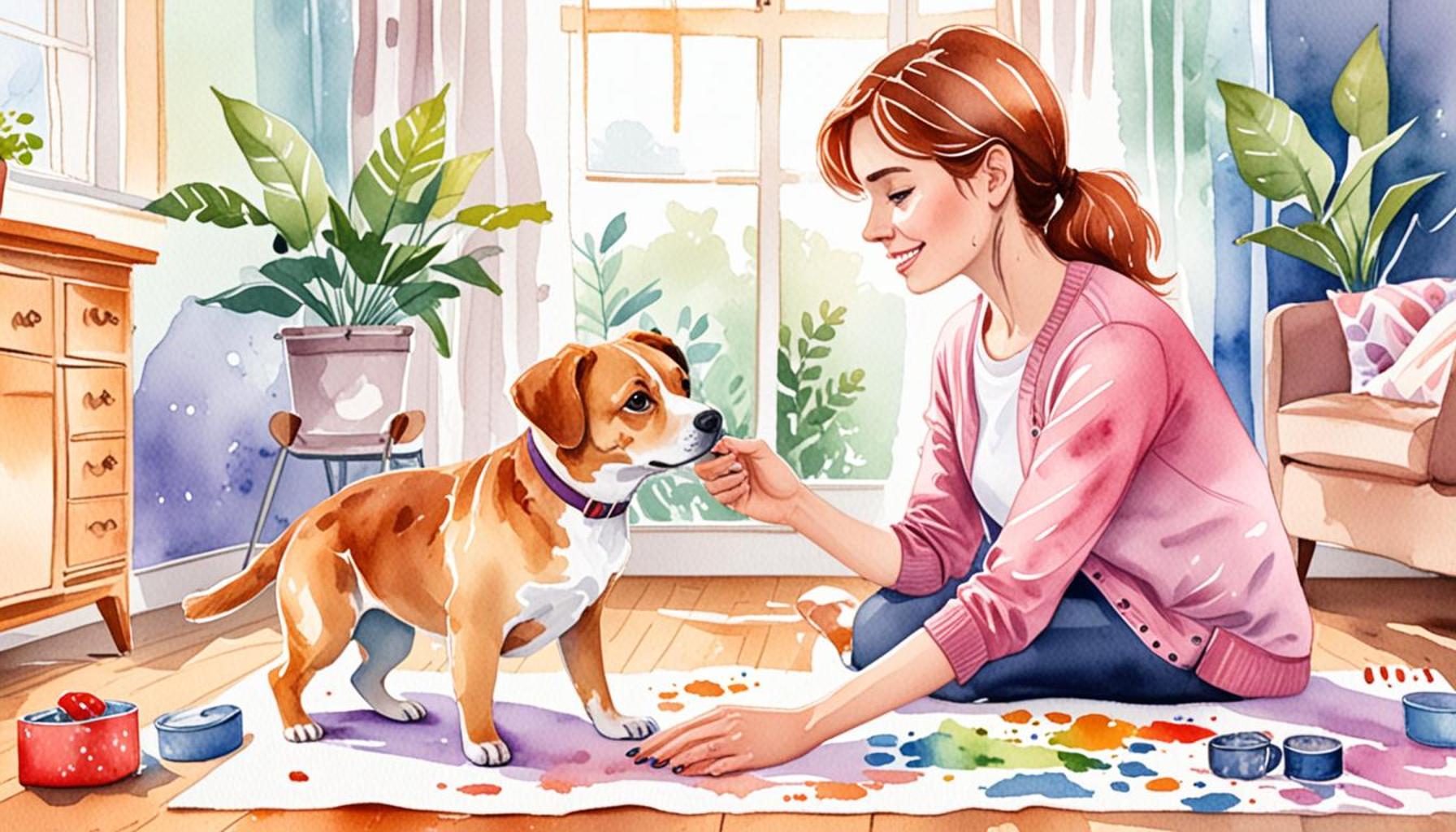
Positive reinforcement in dog training marks a significant shift from older, punitive methods that often relied on fear or correction. This contemporary approach centers on rewarding desired behaviors, making it both an effective training strategy and a means to deepen the emotional connection between a dog and its owner. Rather than instilling fear, this method encourages trust, resulting in a more harmonious relationship.
At the foundation of positive reinforcement lies the principle of rewarding behaviors that you wish to encourage in your canine companion. This can be accomplished through various techniques, such as:
- Treats: Small, tasty rewards such as pieces of chicken or commercially available dog treats can significantly motivate a dog to repeat good behavior. For instance, if a dog sits on command, offering a treat reinforces that action, making it more likely to happen in the future.
- Praise: Verbal affirmations, such as enthusiastic “good boy!” along with gentle petting, creates a nurturing atmosphere. Dogs are social animals that thrive on the approval of their owners; therefore, positive vocal feedback can harness their eagerness to please.
- Playtime: Activities like fetching a ball or tug-of-war can serve as rewards following successful training exercises. After your dog complies with a command, engaging them in playful interaction not only rewards them but also strengthens your bond.
- Consistency: The key to success in positive reinforcement is consistency. Applying rewards systematically helps solidify the desired behavior. For example, if you consistently reward your dog for sitting every time before feeding, it will learn to associate sitting with mealtime.
Research indicates that dogs trained through positive reinforcement are not only more willing to learn but also respond better overall during training sessions. A study published in the journal *Animal Welfare* found that dogs trained with positive methods showed less anxiety and were more eager to participate compared to those subjected to traditional training techniques.
Moreover, positive reinforcement respects the emotional well-being of your dog. This method allows for a deeper understanding of your pet’s needs, leading to safer and more effective training experiences. Owners can expect their furry friends to display desirable behaviors while reveling in joyous training sessions.
Exploring various strategies within positive reinforcement can open up avenues to building a more harmonious relationship between you and your canine companion. By embracing these techniques, you create not just a framework for effective training but also an enjoyable journey for both you and your dog. A well-trained dog is not only a pleasure to have but also a testament to the enriching bond formed through trust and encouragement.
LEARN MORE: Click here to discover the importance of socialization for your pet
Key Elements of Effective Positive Reinforcement Techniques
To effectively implement positive reinforcement methods in dog training, it is essential to understand the key components that drive successful outcomes. These techniques not only nurture ideal behavior but also contribute to a dog’s overall mental and emotional health. Let’s explore some critical aspects of positive reinforcement strategies that can elevate your training experience and foster a deeper connection with your canine companion.
Understanding Timing
One of the most crucial elements in positive reinforcement training is timing. When rewarding your dog, it is imperative that the reward comes immediately after the desired behavior. This instant gratification allows your pet to make a clear connection between their action and the reward. For instance, if you instruct your dog to “stay” and they remain in place, offering a treat within seconds reinforces their understanding of the command. Delayed rewards can create confusion, as the dog may not associate the treat with their previous behavior.
Choosing the Right Rewards
The effectiveness of positive reinforcement is largely influenced by the choice of rewards. Not all dogs are motivated by the same incentives. Here are some common rewards to consider:
- High-value treats: For dogs that are food-driven, using specially chosen treats, such as freeze-dried liver or cheese, can elevate their excitement during training sessions.
- Favorite toys: Some dogs respond better to toys than food. Consider using a favorite ball or squeaky toy as a reward for completing tasks. This not only serves as an incentive but also adds an enjoyable play session to the mixture.
- Affection and attention: Dogs are inherently social creatures and may find petting or verbal acknowledgment to be the most rewarding. Ensure you are giving your dog adequate attention and praise, especially during crucial learning phases.
Gradual Progression of Difficulty
It’s vital to remember that dogs learn best when tasks are broken down into manageable steps. This process, often referred to as “shaping,” involves gradually increasing the challenge of the command. Start with simple commands such as “sit” or “down,” and only progress to more complex behaviors once your dog masters the basics. This method builds confidence and reduces frustration, making it more likely that your dog will engage in training with enthusiasm.
Additionally, remember to keep training sessions short and engaging. Dogs have varying attention spans, and lengthy sessions can lead to boredom or anxiety. Aiming for 5 to 10-minute sessions packed with active learning will keep your dog both engaged and eager to learn.
By focusing on these key elements—timing, reward selection, and task progression—you can establish a solid foundation for implementing positive reinforcement methods in dog training. This approach not only fosters ideal behaviors but enriches the bond between you and your dog, making training a positive experience for both parties.
| Advantages | Impact on Training |
|---|---|
| Increased Motivation | Dogs are more likely to respond positively when they are rewarded, leading to a quicker learning process. |
| Strengthening Bond | Positive reinforcement fosters a trusting relationship between the dog and trainer, enhancing cooperation. |
| Behavior Consistency | Consistency in rewarding desired behaviors leads to long-lasting changes, making training effective and sustainable. |
| Reduced Fear | Using positive methods reduces anxiety and fear in dogs, making them more willing to learn and participate. |
Continuing with the exploration of positive reinforcement, it is essential to recognize how each strategy contributes not only to effective training but also to the overall well-being of the dog. Using treats, praise, or playtime as rewards highlights behaviors that owners wish to encourage, creating a clear communication channel. The immediate recognition of a desired action reinforces the behavior through positive feedback loops, making training sessions not just productive, but also enjoyable for both the dog and the owner. This method can lead to a remarkable transformation in behavioral patterns, resulting in a dog that is not only well-behaved but also happy and confident.Furthermore, integrating variety into the rewards can prevent monotony and keep dogs engaged. Varying the rewards from treats to affection can make training feel dynamic and exciting, promoting learning efficiency and helping the dogs to associate training with fun experiences. Understanding the psychological foundation behind these methods illustrates the depth of positive reinforcement in shaping ideal dog behavior, paving the way for effective strategies that pet owners can quickly adapt to their training routines.
DIVE DEEPER: Click here to learn more about senior pet nutrition
Leveraging Positive Reinforcement for Behavioral Correction
While positive reinforcement is highly effective for teaching new commands, it can also play a crucial role in correcting undesirable behaviors. Rather than employing punishment or negative consequences, which can harm your dog’s trust and sense of security, positive reinforcement techniques foster a more respectful and supportive environment for learning. Here are some strategies for utilizing positive reinforcement to redirect unwanted behaviors effectively.
Redirecting Attention Through Training
Dogs often engage in undesirable behaviors out of boredom or a lack of direction. When your dog starts to chew on furniture or jump on visitors, redirecting their attention to a more appropriate behavior can keep them engaged and focused. For example, if your dog begins to bark excessively at the door, you might train them to settle on a mat or cushion instead. The moment they comply, offer a reward. This technique not only helps the dog to learn acceptable actions but also reinforces their understanding of what is expected in various environments.
Using a clicker can be particularly helpful during these training sessions. The sharp sound of a clicker provides a clear signal to the dog that they have done something right. Pairing this with a reward reinforces the desired behavior, making it more likely they will repeat it in the future.
Consistency is Key
Consistency in both command usage and reinforcement timing is critical for achieving lasting behavior change. Ensuring that all family members use the same commands and rewards will prevent confusion for your dog. For instance, if one family member is using “come” but another uses “here,” the inconsistency can result in frustration and misunderstanding on the dog’s part.
Moreover, adhering to a consistent reward schedule, especially during the early stages of training, is essential. For example, initially rewarding every successful behavior can build a strong foundation. As your dog begins to understand expectations, gradually transitioning to a variable reward schedule—where rewards are given randomly—can sustain motivation and keep them eager to learn.
Incorporating Everyday Situations in Training
Positive reinforcement methods are not limited to formal training sessions. Incorporating training into daily life can enhance learning and provide real-world contexts for your dog’s behavior. For instance, when your dog walks on a leash without pulling or behaves well around other people or animals, offering a treat or praise reinforces that good behavior in a practical setting.
Additionally, connecting training with daily routines can make the process more enjoyable for both you and your dog. This might include rewarding them for sitting quietly before meals or lying down while you watch TV. The more you incorporate training into their everyday activities, the more ingrained the desirable behaviors will become, transforming training into an enjoyable lifestyle rather than a chore.
- Real-world training: Always be on the lookout for opportunities in everyday situations, such as waiting at the door or not barking when the doorbell rings.
- Engaging distractions: Reward your dog for focusing on you rather than distractions like other pets, noises, or people who pass by, thus reinforcing their good behavior.
By utilizing positive reinforcement to redirect unwanted behaviors, maintaining consistency in your training approach, and incorporating lessons into daily life, you can significantly enhance your dog’s learning experience. These strategies not only strengthen training outcomes but also help foster a bond of trust and understanding between you and your pet.
LEARN MORE: Click here for essential tips on pet adoption
Conclusion: Embracing Positive Reinforcement for Dog Training Success
Incorporating positive reinforcement methods into your dog training routine lays the groundwork for creating a well-behaved and happy pet. By focusing on rewarding desirable behaviors rather than punishing mistakes, you cultivate a nurturing environment where your dog feels secure and motivated to learn. The strategies discussed—from redirecting attention to building consistency and integrating training into daily life—highlight the multifaceted approach necessary for effective training.
As you embark on your training journey, it is vital to remember that patience and persistence are key. Every dog is unique and will learn at their own pace; thus, adapting your techniques to fit your pet’s personality is essential. Utilizing tools such as clickers can enhance the clarity of communication between you and your dog, solidifying their comprehension of what constitutes positive behavior.
Moreover, by involving the entire family in the training process, you ensure that your dog receives consistent cues and rewards, which is pivotal for reinforcing their understanding. The idea of weaving training seamlessly into everyday situations not only makes the learning process enjoyable but also reinforces good habits in real-world contexts.
Ultimately, the journey of dog training is as much about fostering a strong bond with your furry friend as it is about teaching them ideal behaviors. By embracing positive reinforcement methods, you enrich your relationships and pave the way for a harmonious coexistence filled with mutual respect and love. For further insights and tailored techniques, consider researching diverse resources or contacting a professional trainer who specializes in positive reinforcement to continue enhancing your training experience.