
Pet Dietary Supplements: When and How to Use
Understanding Dietary Supplements for Pets
As pet owners become increasingly educated about their animals’ nutritional needs, many are beginning to explore the role of dietary supplements in enhancing overall health. The variety of supplements available can often be overwhelming, but understanding when and how to implement them can significantly benefit your furry companions.
Importance of Specific Supplements
Dietary supplements can address specific health concerns that are often prevalent among pets. For instance, joint health is a major consideration for both active dogs and aging pets. Glucosamine and chondroitin are two natural substances that can help maintain cartilage integrity and alleviate joint pain. Pet owners have reported noticeable improvements in their dog’s mobility after administering these supplements regularly.
Similarly, skin and coat health can be greatly enhanced by incorporating omega-3 fatty acids into your pet’s diet. These essential fats, often derived from fish oil, can not only reduce itching but also improve the overall shine and quality of your pet’s coat. This is particularly beneficial for dogs and cats with allergies or those prone to skin issues.
Lastly, digestive support is crucial for maintaining a healthy gut. Probiotics, which consist of beneficial bacteria, can promote a balanced microbiome and help with issues such as diarrhea or constipation. Many pet owners have noticed that their pets show improved digestion and fewer gastrointestinal disturbances after introducing probiotics into their diet.
Recognizing the Need for Supplements
Determining whether your pet might benefit from supplements requires careful observation of their behavior and health. Changes in energy levels can often signal a need for dietary intervention; if your once-active pet seems lethargic or less enthusiastic during walks, this might be a sign of underlying health issues. Similarly, age-related concerns, such as stiffness or struggling to get up from a lying position, could indicate a need for joint-supporting supplements.
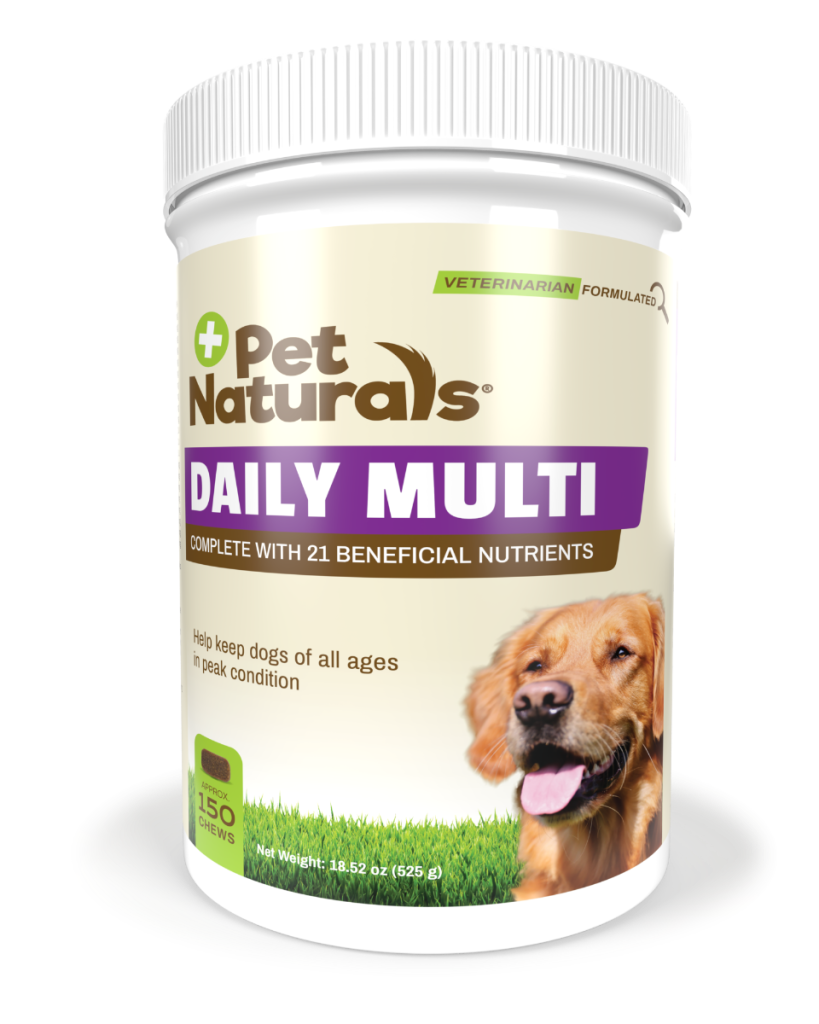
Behavioral changes can also be telling. If your pet exhibits signs of discomfort, such as increased irritability or hiding, it’s essential to consult a veterinarian who can recommend appropriate supplements tailored to your pet’s individual needs.
Consultation and Safe Usage Tips
Before introducing any new supplements into your pet’s diet, it is crucial to consult with a veterinarian. They can assess your pet’s health and recommend appropriate products based on conditions and medical history. It is equally important to choose high-quality supplements from reputable brands, as the market is rife with products that may not provide the promised benefits.
In conclusion, while dietary supplements can open new avenues for improving your pet’s health, making informed choices is vital. By understanding the specific health concerns your pet faces and working with a professional, you can create a tailored plan that supports a happier, healthier life for your beloved companion. The right knowledge empowers you to navigate your pet’s health journey with confidence.
DISCOVER MORE: Click here to learn about preventive care for your pets
How to Determine the Right Supplements for Your Pet
Understanding your pet’s unique health requirements is the first step towards selecting the right dietary supplements. Factors such as age, breed, activity level, and any pre-existing health conditions play a critical role in your decision-making. A customized approach allows you to address specific health concerns effectively while also enhancing your pet’s quality of life.
Age Considerations in Supplementation
As pets age, their nutritional needs change significantly. Senior pets often face health challenges that younger pets do not, making it essential to focus on supplements that cater to their evolving requirements. Here are some age-specific supplements to consider:
- Joint Support: Older pets frequently experience joint stiffness and arthritis. Supplements rich in glucosamine, chondroitin, or eggshell membrane can play a key role in easing their discomfort.
- Antioxidants: senior pets may benefit from antioxidants like vitamins E and C that help combat oxidative stress and support overall health.
- Cognitive Health: For aging pets showing signs of cognitive decline, supplements containing DHA (a type of omega-3 fatty acid) can help maintain brain function.
Assessing Activity Levels
The activity level of your pet is another crucial factor when determining the need for supplements. Active pets often require essential nutrients to maintain optimal performance and recovery. If your dog is a frequent runner, a supplement rich in essential fatty acids, amino acids, and B-vitamins can support their energy levels and muscle recovery. For those engaged in high-intensity exercises or sports, joint and muscle support supplements become a priority.
Breed-Specific Needs
Certain breeds may have unique predispositions to specific health issues, which can be addressed through supplements. For example:
- Large Breeds: Breeds like Great Danes or Labradors are prone to hip dysplasia, making joint-supporting supplements a wise choice from an early age.
- Small Breeds: Smaller dogs may face dental issues, so incorporating chewable supplements that promote oral health can be particularly beneficial.
- Breed-Specific Allergies: Some breeds are more susceptible to allergies. Supplements containing omega-3s can alleviate skin irritations commonly found in breeds like Bulldogs.
The health journey of your pet is a nuanced one, and with the right understanding, you can make informed choices about the supplements they may require. Observing your pet’s unique characteristics and consulting with a veterinarian creates a comprehensive plan tailored specifically for their needs. By being vigilant and proactive, you pave the path for improved health and enhanced vitality, ensuring that your pet receives the best care possible.
| Category | Details |
|---|---|
| Types of Supplements | Probiotics, Omega fatty acids, Vitamins, and Minerals enhance pet health. |
| Health Benefits | Support digestive health, improve coat condition, and enhance immune function. |
| Usage Timing | Administer during changes in diet, stress, or health conditions. |
| Choosing the Right Supplement | Select based on a vet’s recommendation and pet’s specific needs. |
Understanding the different types of pet dietary supplements is crucial for optimal pet care. Dietary supplements like probiotics and omega fatty acids can significantly improve your pet’s health by enhancing their immune function, supporting digestive health, and ensuring a shiny coat. These supplements are particularly beneficial during stressful transitions, such as moving houses or adjusting to a new diet.Furthermore, the timing of administration plays a vital role. If your pet undergoes any health changes, such as recovering from an illness, it could be the perfect moment to introduce supplements into their routine. Always consult with a veterinarian before choosing a supplement, ensuring it complements your pet’s overall dietary plan and specifically addresses any health concerns. With the diverse range of supplements available, proper knowledge will empower pet owners to make informed decisions that promote their pets’ well-being.
DISCOVER MORE: Click here for essential tips
Identifying the Right Type of Supplements
Once you’ve assessed your pet’s specific needs, the next step is to identify the appropriate type of supplements that can enhance their health. The pet supplement market is vast, and understanding the different categories can help you make better-informed decisions.
Understanding the Various Categories of Supplements
Dietary supplements for pets are typically classified into a few key categories. Recognizing these categories can help streamline your search:
- Vitamins and Minerals: Just like humans, pets require a balanced intake of vitamins and minerals for proper bodily functions. If your pet is on a restrictive diet, these supplements can ensure they receive essential nutrients they might miss out on. For example, calcium and phosphorus are often necessary for proper bone health, especially in growing puppies and kittens.
- Probiotics: Probiotics are beneficial bacteria that promote gut health and assist in digestion. Utilizing probiotics can alleviate issues like diarrhea or constipation and boost overall immunity, particularly in pets with sensitive stomachs or those recovering from antibiotic treatments.
- Fatty Acids: Omega-3 and omega-6 fatty acids are crucial for maintaining healthy skin and coats. They can also reduce inflammation, beneficial for pets suffering from allergies or joint discomfort. Fish oil is a popular source of omega-3s, and discerning pet owners frequently turn to it for their furry companions.
- Herbal Supplements: Many pet owners are now exploring natural alternatives that include herbal supplements. Herbs like turmeric, renowned for its anti-inflammatory properties, can be helpful in managing chronic pain and enhancing overall health.
Finding Quality Supplements
When searching for dietary supplements for your pet, quality is crucial. The supplement industry can sometimes be unregulated, leading to misleading claims. Here are tips to find the best products:
- Check for AAFCO Approval: The Association of American Feed Control Officials (AAFCO) sets standards for pet food and supplements. Look for products that carry AAFCO approval, ensuring that they meet stringent quality and safety guidelines.
- Third-Party Testing: Quality supplements often undergo third-party testing for potency and purity. Brands that openly provide test results can be considered more credible.
- Read Reviews: Consumer feedback can provide first-hand insights into a product’s efficacy. Look for reviews from trusted sources, which can guide your choice in picking the right supplement.
Proper Administration and Dosage
Knowing when and how to administer supplements is just as vital as choosing the right ones. Talk to your veterinarian for tailored recommendations, but here are some general guidelines:
- Follow Dosage Instructions: Each supplement comes with specific dosage recommendations based on your pet’s weight and health condition. Adhering to these guidelines is critical to avoid overdosing or underdosing.
- Consistency is Key: Supplements are most effective when administered consistently. Consider creating a routine, perhaps giving them with meals, to ensure your pet receives their dosage regularly.
- Monitor for Side Effects: After introducing a new supplement, observe your pet for any adverse reactions. Symptoms like gastrointestinal upset or behavioral changes should be taken seriously, and it’s advisable to consult your veterinarian if they arise.
By taking the time to select the right type of supplements, sourcing quality products, and adhering to proper administration practices, you can significantly enhance your pet’s health and well-being. Remember, an informed approach not only benefits your pet but also strengthens the bond between you and your furry friend as you embark on this journey together.
DON’T MISS: Click here to enhance your pet’s well-being
Conclusion
In the world of pet dietary supplements, knowledge is the key to unlocking the best possible health outcomes for your furry companions. As we’ve explored, understanding your pet’s individual needs and the various types of available supplements—such as vitamins, probiotics, fatty acids, and herbal options—empowers owners to make informed decisions. Quality is paramount; selecting products with AAFCO approval and third-party testing proves essential for ensuring safety and efficacy. Furthermore, the proper administration and dosage can significantly impact the results you observe.
As pet ownership evolves, so too does the landscape of nutritional support. An increasing number of pet owners are beginning to appreciate the potential benefits of dietary supplements for enhancing their pets’ quality of life, from improving mobility in aging dogs to promoting gut health in sensitive cats. Regular communication with your veterinarian can guide you through this process, ensuring the chosen supplements align specifically with your pet’s age, breed, and health status.
Ultimately, the appropriate use of dietary supplements not only addresses health concerns but can also foster a deeper connection between you and your pet. It is an empowering journey, one that can enrich their lives and bring peace of mind to yours. As you proceed, continue to investigate and stay informed, and watch as your pet flourishes with renewed vitality and wellness.