
Natural Feeding vs. Kibble: What is Best for Your Pet?
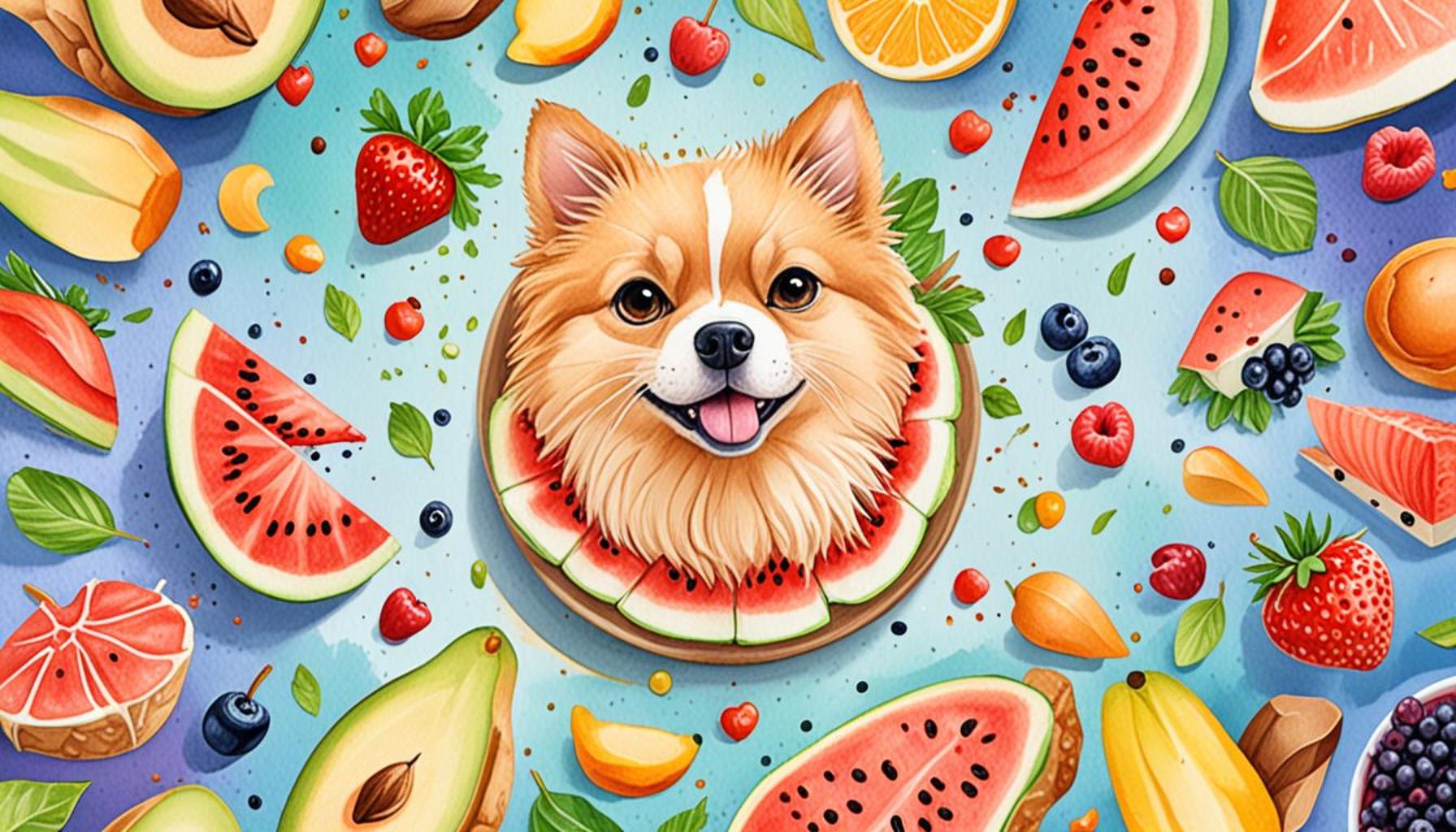
Rising Trends in Pet Nutrition
As pet owners delve into the nutritional needs of their furry companions, it is evident that the landscape of pet food has transformed dramatically in recent years. This evolution is significant, especially as pets are considered part of the family by many households across the United States. Understanding the dietary options available is no longer just a matter of convenience but is increasingly becoming a factor of paramount importance in ensuring pet health and longevity.
The Essence of Natural Feeding
Natural feeding, often referred to as raw feeding or the “BARF” (Biologically Appropriate Raw Food) diet, emphasizes the consumption of fresh, unprocessed foods. This typically includes raw meats, organ meats, whole vegetables, fruits, and even bones. Advocates argue that a natural diet mirrors what animals would eat in the wild, potentially leading to enhanced vitality, shinier coats, and improved digestive health. For instance, feeding a dog fresh chicken along with a mix of leafy greens can provide high protein, essential fatty acids, and vital nutrients in their most natural form.
However, there are also concerns associated with natural feeding. Raw diets carry risks of bacterial contamination, requiring owners to practice stringent hygiene and food handling practices. For example, pathogens like Salmonella or E. coli may pose health risks not only to pets but also to humans in the household. Moreover, formulating a balanced diet can be complex and requires meticulous attention to ensure pets receive all necessary vitamins and minerals.
The Convenience of Kibble
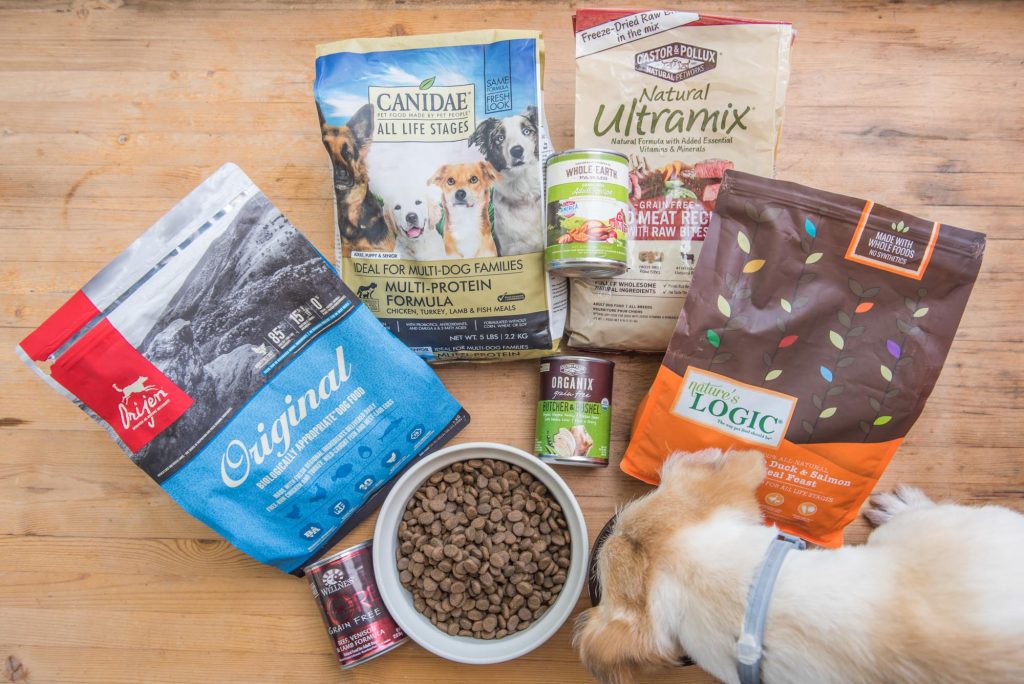
Kibble has become a staple in the pet food aisle, largely due to its convenience, affordability, and long shelf life. Typically made from a mixture of cooked and processed ingredients, kibble is designed to provide a balanced diet while being easy to store and serve. For busy pet owners, pouring a measured amount of kibble into a bowl can save time, especially for those juggling work and family responsibilities.
However, not all kibble is created equal. The nutritional value can vary significantly among brands, with some containing fillers, artificial additives, and lower-quality ingredients. On the other hand, premium kibbles use higher-quality proteins and are fortified with essential nutrients. Pet owners must carefully read labels to ensure they are making the right choices for their pets’ diets.
Evaluating Your Choice
When it comes down to the decision between natural feeding and kibble, several factors must be weighed. Owners should consider their pet’s specific health requirements, lifestyle, and even their own comfort level with preparing food. For instance, pets with allergies or sensitivities may benefit from a natural diet that eliminates potentially harmful fillers. Statistics indicate that nearly 57% of pet owners in the U.S. are willing to invest in premium pet foods, reflecting a significant shift towards better nutrition.
Ultimately, whether you lean towards natural feeding or opt for kibble, the most crucial aspect is being informed. Taking the time to research, consult with veterinarians, and consider your pet’s individual needs can lead to a more fulfilling and healthy life for your furry friend. The ongoing discourse between the merits of natural diets versus kibble continues to spark curiosity among pet owners, making this an exciting and evolving area of pet care.
LEARN MORE: Click here to discover the benefits of socialization
Understanding the Benefits of Natural Feeding
Natural feeding, or the BARF diet, has gained traction among pet owners who seek to provide their pets with nutrition closer to what they would consume in their natural environments. Proponents of natural feeding argue that this approach offers several advantages that can contribute to an improved quality of life for pets. These benefits include:
- Better Digestive Health: Many pets experience digestive issues when fed processed foods. Natural diets, rich in fiber from fruits and vegetables, can enhance gut health and reduce common problems like gas and bloating.
- Healthier Skin and Coat: A diet high in omega fatty acids found in raw meats and fish can lead to a shinier coat and healthier skin, reducing the occurrence of allergies and dry skin.
- Increased Energy Levels: Pets fed a natural diet often exhibit higher energy and overall vitality, which can be particularly noticeable in active breeds.
While these benefits are compelling, they come with their fair share of considerations. Pet owners must ensure that the diet is nutritionally complete and balanced. Formulating a raw diet often requires comprehensive knowledge of pet nutrition. Many vet professionals recommend consulting with a veterinarian or a pet nutritionist before transitioning to a natural feeding regimen. This step is crucial for understanding which ingredients to include, and which to avoid.
Risks and Challenges of Natural Feeding
Despite the potential advantages, there are inherent risks and challenges that come with natural feeding. One of the primary concerns relates to the risk of bacterial contamination from raw meats. Owners must maintain rigorous hygiene standards to prevent potential health hazards associated with bacteria such as Salmonella or campylobacter. Social dynamics can shift in households with young children or immunocompromised individuals, as these groups may be more susceptible to infections.
Another significant challenge lies in achieving a proper balance of essential nutrients. Unlike commercial kibble, which is formulated to meet specific nutritional standards, a natural diet needs to be meticulously planned to ensure it provides the right balance of proteins, fats, vitamins, and minerals. For instance, a diet lacking calcium may lead to skeletal issues in growing puppies. Therefore, educating oneself about proper nutritional guidelines is paramount for pet owners who choose this approach.
The Evolution of Kibble
Conversely, the convenience and structure of kibble have made it a prevalent choice for many pet owners. Kibble is not only shelf-stable but also caters to the fast-paced lifestyles of today’s families. The technology behind kibble production has evolved significantly, leading to the creation of a variety of products designed to meet different health needs. Many leading brands are now crafting premium kibbles that are grain-free, use real meat as the first ingredient, and eliminate fillers and artificial preservatives.
Moreover, for pet owners who may find the complexities of raw feeding overwhelming, kibble presents a straightforward and effective solution. The varied options available in the market allow pet owners to select specific formulas targeting health concerns such as weight management, skin conditions, or sensitive stomachs. However, the key remains in choosing wisely, as not all kibbles boast the same quality. Understanding ingredient lists and nutritional analysis is essential for making informed choices.
In conclusion, navigating the world of pet nutrition involves weighing the benefits and challenges of natural feeding and kibble. By remaining informed and aware of their pet’s needs, owners can take significant strides toward ensuring their four-legged companions lead healthy, happy lives.
Understanding Natural Feeding and Its Benefits
Natural feeding, often referred to as raw feeding, is an approach where pet owners provide a diet that mirrors what dogs and cats would naturally consume in the wild. This typically includes raw meat, bones, fruits, and vegetables, offering a range of benefits that can support overall health. Some argue that natural feeding leads to a shining coat, healthy skin, and improved digestion. By eliminating processed ingredients, owners can control the quality of food their pets consume, ensuring a more balanced and nutritious diet.Moreover, the switch to a natural diet can have profound effects on a pet’s vitality and energy levels. With reduced artificial additives and fillers, many pet owners report fewer allergies and food sensitivities. Furthermore, natural feeding encourages pet owners to become more engaged in their pets’ nutrition and well-being, fostering a deeper connection through shared meal preparation.
Diving into Kibble: Convenience and Nutritional Considerations
Kibble, or dry pet food, remains the most popular choice among pet owners due to its convenience and long shelf life. It’s specially formulated to meet the nutritional requirements of pets, often fortified with essential vitamins and minerals. One of the significant advantages of kibble is its ease of storage and serving: there’s no need for refrigeration, and it can be poured directly into a bowl.Moreover, many commercial kibble brands conduct rigorous testing to ensure their product meets pet nutrition standards. While proponents of kibble often highlight the *balanced nutrition and cost-effectiveness*, it is essential to consider the quality of ingredients used. Some products incorporate fillers and lower quality protein sources, which may not provide pets with the necessary nutrients for optimal health.While many pet owners may find kibble to be a quick and easy solution, it’s crucial to investigate ingredients and choose high-quality brands that prioritize real meat and healthy components. As the debate between natural feeding and kibble continues, educating oneself on the nuances of both feeding methods can help determine what is truly best for your furry companion.
| Category | Advantages |
|---|---|
| Natural Feeding | Higher Nutritional Value: Provides whole foods; no artificial preservatives. |
| Enhanced Digestion: | May reduce allergies and promote healthier gut flora. |
| Kibble | Convenience: Easy to store and serve; no preparation needed. |
| Balanced Nutrition: | Formulated to meet specific dietary needs; often fortified. |
DISCOVER MORE: Click here to learn about pet disease prevention
Evaluating the Nutritional Aspects of Kibble
When assessing the nutritional value of kibble, it’s essential to recognize that many brands have made strides in improving their formulations to meet the growing demands of informed pet owners. Modern kibbles are often packed with high-quality protein sources like chicken, beef, or fish and include whole grains or vegetables, creating a balanced diet that can support overall health. The incorporation of ingredients such as probiotics, antioxidants, and omega fatty acids further enhances the nutritional profile, addressing issues like digestive health, immune function, and skin condition.
However, pet owners need to be vigilant about the ingredient lists. Some kibbles contain by-products, fillers, or artificial additives that can be detrimental to a pet’s health. Understanding the significance of meat sourcing is crucial. Higher-quality kibbles will usually list specific meat sources as the first ingredient, indicating a higher protein quality versus generic terms like “meat meal.” This detail can make a substantial difference in how a pet thrives on a kibble diet.
The Impacts of Kibble on Long-Term Health
Research surrounding the long-term effects of feeding pets kibble vs. natural diets continues to evolve. While some studies suggest that pets fed commercial kibbles may have a lower risk of certain health issues such as obesity and dental problems, overreliance on processed food can potentially lead to less variability in nutrient absorption. Additionally, certain carbohydrate-rich kibbles can contribute to obesity, especially if portion sizes are not monitored closely. The American Veterinary Medical Association emphasizes the importance of maintaining a healthy weight through proper diet and exercise for pets.
On the flip side, some kibble manufacturers offer a range of weight management formulas that incorporate fiber to help pets feel fuller longer. Products designed for senior pets or those with specific health concerns are also worth exploring. These tailored formulations can assist in managing chronic conditions, highlighting the versatility of kibble in addressing distinct health challenges.
Cost and Accessibility Considerations
Another aspect that cannot be overlooked is the cost and accessibility of both feeding options. Kibble often proves to be more budget-friendly and easier to obtain compared to sourcing high-quality raw ingredients for natural feeding. Additionally, storage and preparation times can also influence a pet owner’s choice. Kibble is convenient, as it can be poured straight from the bag, while natural feeding may require meal preparation and careful ingredient handling to ensure freshness and safety.
The economics of pet feeding can significantly shape an owner’s decision, especially for families operating on tighter budgets. Nevertheless, premium kibbles may demand a higher initial investment, but they can potentially save money in health-related expenses down the line. Choosing higher-quality kibble can ultimately lead to fewer vet consultations concerning diet-related health issues.
The Role of Lifestyle in Feeding Choices
Ultimately, lifestyle plays a critical role in determining the best feeding approach for each pet. For active individuals who prioritize convenience, kibble might align more harmoniously with their schedules. In contrast, pet owners who relish culinary creativity or are more adept in meal preparations might find natural feeding to be a fulfilling option.
Moreover, it’s essential to realize that every pet is unique, and what works for one may not be suitable for another. Some pets may thrive on kibble, while others could benefit from the freshness of a natural diet. Thus, consulting with a veterinarian who understands your pet’s specific needs is a crucial step in making the most informed decision.
DIVE DEEPER: Click here to discover effective strategies
Conclusion: Making the Best Choice for Your Pet
As we navigate the intricate debate of natural feeding vs. kibble, it’s essential to remember that there is no one-size-fits-all solution. Both options have their advantages and potential drawbacks that cater to different lifestyles, budgets, and health considerations. While premium kibbles are increasingly providing balanced nutrients and convenience, a natural diet may offer superior freshness and a variety of natural ingredients that some pets thrive on.
Pet owners must consider their pets’ individual needs, which may vary widely based on factors such as age, health conditions, and activity levels. Consulting a veterinarian can give further insights tailored to specific circumstances, ultimately leading to a more informed choice. Understanding ingredient sourcing, nutritional profiles, and the impact of diet on long-term health is crucial in this ongoing journey. Moreover, staying educated on the latest pet nutrition research empowers owners to take the best possible care of their furry companions.
In conclusion, whether you lean towards kibble or natural feeding, your pet’s health and happiness should remain at the forefront of your decision-making. Embrace knowledge, remain open to adjustments, and choose a path that best suits the unique relationship you have with your pet. The quest for optimal nutrition is as much about understanding their needs as it is about the food itself.