Monitoring Signs of Advanced Age in Pets

Understanding the Aging Process in Pets
As our beloved pets age, they experience unique changes that can often go unnoticed by well-meaning owners. Recognizing the signs of advanced age is crucial for ensuring their health and comfort throughout their twilight years. Here’s a quick overview of what to look for:
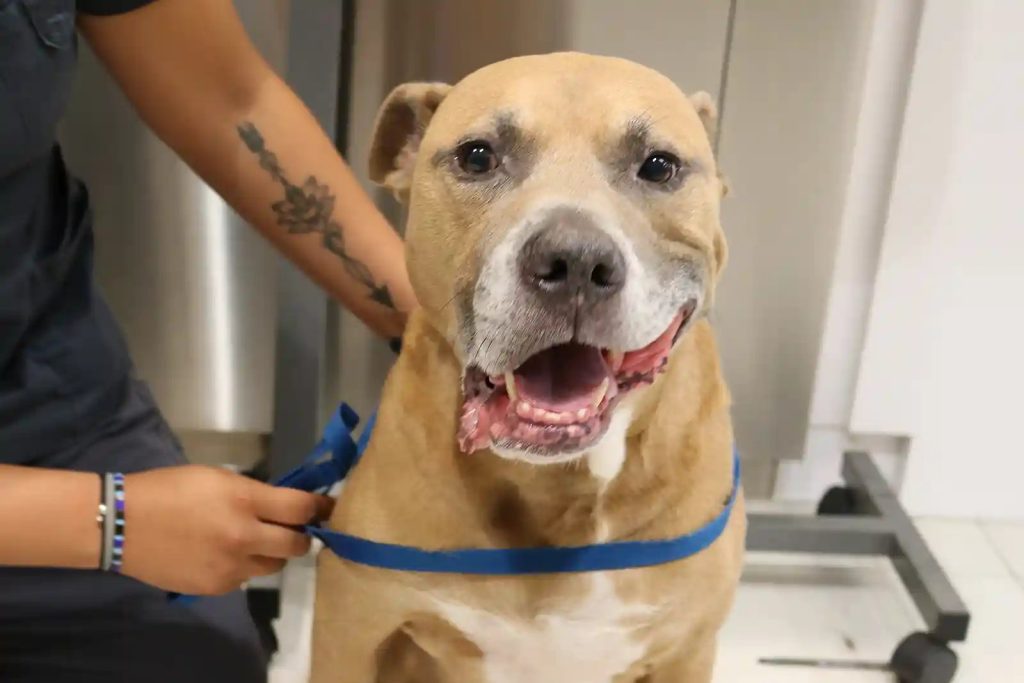
- Physical Changes: Aging pets may exhibit decreased mobility and potentially face difficulties jumping or climbing stairs. Weight fluctuations can occur, where some pets may become overweight due to less activity, while others may lose weight due to health issues. Furthermore, graying fur is a common sign, especially around the muzzle and eyes, indicating the natural progression of age.
- Behavioral Shifts: You may notice your aging pet sleeping more, which can be linked to reduced energy levels. Withdrawal from play or social interactions, previously enjoyed, can indicate discomfort or discomfort. Additionally, changes in appetite, whether increased or decreased, can often be signals of underlying health problems and should be monitored closely.
- Health Issues: Common ailments among senior pets include arthritis, causing stiffness and discomfort, and dental disease, which can lead to serious complications if untreated. You may also observe symptoms of decreased vision or hearing loss, which can result in confusion and anxiety in some pets.
Understanding these signs is essential for providing the best care for your furry companions. Monitoring your pet’s behavior and physical condition can lead to early detection of age-related issues, making a significant difference in their overall quality of life. Regular veterinary check-ups become increasingly important during this stage, as vets can help identify and manage conditions that your pet faces.
Consider this: over half of the pets in the United States are classified as senior citizens by the age of seven. This statistic is a wake-up call for pet owners to take proactive steps. For instance, adjusting your pet’s diet to meet their changing nutritional needs, providing joint supplements, and ensuring regular moderate exercise can create a positive environment for healthy aging.
By being vigilant and proactive, we can significantly enhance the lives of our aging pets. With the right knowledge and care, we can help our cherished companions navigate their golden years with grace and comfort, ensuring they remain happy and cherished members of our families.
DIVE DEEPER: Click here to discover more about clicker training
Recognizing the Physical Changes in Aging Pets
Physical transformations in pets as they advance in age can be subtle yet profound. Understanding these physical changes is essential in monitoring your furry friend’s health and comfort levels. Pet owners should be observant of the following key indicators that signal the onset of seniority:
- Joint and Mobility Issues: One of the most common signs of aging in pets is the decline in mobility. Pets may struggle to rise from a resting position, have difficulty navigating stairs, or may be hesitant to jump onto their favorite spots. These symptoms can be attributed to conditions like arthritis, which affects many older pets. Regularly tracking your pet’s mobility can lead to timely interventions that can ease discomfort.
- Changes in Weight: Weight management becomes increasingly important in senior pets. Older dogs often experience decreased physical activity, leading to weight gain. Conversely, some pets may lose weight due to health issues, or a decrease in appetite. Monitoring their weight at regular intervals can provide vital clues about their overall wellbeing.
- Skin and Coat Condition: As pets age, their skin may lose elasticity, and their coat can become dull or develop irregular patches. Hair loss and graying fur around the face and body often signify aging. Pet owners should check their pets for skin lumps or unusual growths that need veterinary attention.
- Dental Health: Oral hygiene often takes a backseat as pets grow older. Dental diseases, such as periodontal disease, can cause pain and lead to other health complications. Regular dental check-ups and at-home dental care are vital to maintain your pet’s health as they age.
- Senses Deterioration: Aging can also affect a pet’s senses. Vision changes can range from cloudiness in the eyes to complete blindness, while hearing loss may result in a pet responding less to sounds. These changes can lead to increased anxiety or confusion for the animal, making it vital for owners to create a safe and familiar environment.
Addressing these physical changes is crucial not just for your pet’s health but also for enhancing their quality of life. A focus on proper nutrition tailored to senior pets, combined with gentle exercise, will keep them active and aid in preventing further health issues.
Moreover, recognizing these signs early can allow for timely veterinary intervention. Regular health screenings and conversations with your veterinarian about these common issues can help manage pain and maintain your pet’s vitality through their aging process. The earlier you implement supportive measures, the better your pet will thrive in their golden years.
| Category | Description |
|---|---|
| Physical Health Monitoring | Tracking weight changes helps pet owners identify early signs of health issues. |
| Mental Health Assessment | Observing behavioral changes can indicate cognitive decline in aging pets. |
| Nutrition Adaptations | Introducing senior-specific diets can significantly improve quality of life. |
| Regular Vet Check-ups | Frequent visits allow for early detection of age-related illnesses. |
Monitoring the signs of advanced age in pets is crucial for ensuring their well-being. Regularly checking physical health and identifying any unexpected weight changes can be an indicator of underlying health issues. In addition, keeping an eye on your pet’s mental state is equally important; behavioral changes may signify cognitive decline, which is common in older animals. Adapting your pet’s diet by introducing senior-specific options can markedly enhance their overall health and vitality. Moreover, establishing a routine of regular veterinary check-ups ensures that any potential age-related conditions are caught early. The importance of these practices cannot be overstated, as they contribute to prolonging your pet’s lifespan and improving their quality of life. Staying vigilant can lead to better outcomes and more precious moments with your furry companions.
LEARN MORE: Click here for valuable insights
Cognitive Changes and Behavioral Indicators of Aging
Just as physical changes unfold in older pets, cognitive changes can also significantly affect their mental well-being. Cognitive dysfunction syndrome (CDS) is a condition similar to dementia found in humans, and it affects a notable percentage of senior pets. Understanding the behavioral shifts that accompany aging is crucial for identifying when your pet may need additional help.
- Disorientation and Confusion: A pet may begin to appear lost or confused in familiar environments. They might wander aimlessly or even become stuck in corners. Increased pacing during the night or a change in sleep patterns can also indicate cognitive decline. Owners should be aware of their pet’s routines, as deviations can signal potential issues.
- Changes in Interaction: Senior pets may become less social, withdrawing from family activities they previously enjoyed. On the flip side, some may become clingier, wanting constant companionship. Changes in how pets interact with their owners, or even other pets in the household, can provide clues about their mental state.
- Increased Anxiety or Fear: Aging can bring about heightened anxiety in pets, manifesting as increased barking, whining, or destructive behaviors. They may become more easily startled by sounds or sudden movements. Monitoring these signs is vital, as they can indicate that your pet is feeling vulnerable in their surroundings and may need reassurance.
- Bathroom Habits: Age-related issues can also lead to changes in bathroom habits. Incontinence or an increased need to urinate can be a sign of aging, and this may lead to accidents in the home if not addressed properly. Regular monitoring of their bathroom habits will provide insight into their health and help manage any issues.
- Eating and Drinking Patterns: Changes in appetite or thirst can indicate cognitive decline or other health problems in older pets. It’s important to note any shifts, including increased begging for food or, conversely, a reluctance to eat. Sudden changes may signify distress, and a vet consultation is advised to rule out underlying issues.
Effective monitoring of your pet’s cognitive and behavioral shifts can empower you to make informed decisions about their care. Engaging your pet in cognitive stimulation activities, such as puzzle toys or training exercises, can delay the onset of cognitive dysfunction and improve their quality of life.
Additionally, there are various products available on the market designed to support the mental health of aging pets, such as supplements formulated to maintain cognitive function. Discussing options with your veterinarian can provide insights tailored to your pet’s specific needs.
As you navigate the challenges of an aging pet, remember that adaptations in their environment—like creating quiet, safe spaces and establishing routines—can significantly enhance their sense of security. Understanding and monitoring these behavioral indicators not only aids in early detection of potential problems but also fosters a deeper bond between you and your furry companions in their golden years.
LEARN MORE: Click here to discover why socialization is essential for your pet
Conclusion: Nurturing Our Aging Companions
Being vigilant about the signs of advanced age in pets is crucial for ensuring their well-being and quality of life. As they transition into their senior years, alterations in cognitive functions and behavioral patterns are not only inevitable but can also serve as vital indicators of their overall health. By observing changes such as disorientation, shifts in interaction, increased nervousness, and modifications in appetite, pet owners can take proactive measures to address any emerging challenges.
Recognizing these signs early can lead to timely veterinary consultations and tailored care plans that may significantly improve your pet’s comfort and happiness. Engaging in enriching activities, providing mental stimulation, and adapting their environment can work wonders in managing the effects of aging, ultimately prolonging your cherished moments together.
Moreover, as the pet care industry continues to evolve, numerous resources—ranging from specialized diets to cognitive enhancement supplements—are at your disposal to support your senior pet’s health. Collaboration with veterinarians about these options can offer deeper insights into your pet’s unique needs and enhance your understanding of aging processes.
In conclusion, monitoring the signs of advanced age in pets is not only about observing physical and behavioral changes but also about embracing the opportunity to nurture your furry companions through their golden years. This compassionate approach not only contributes to their well-being but also strengthens the precious bond you share, ensuring your lives are filled with love, joy, and understanding.