Hunting Behavior Training: Stimulating Natural Instincts in Dogs and Cats
The Essence of Training Hunting Behaviors
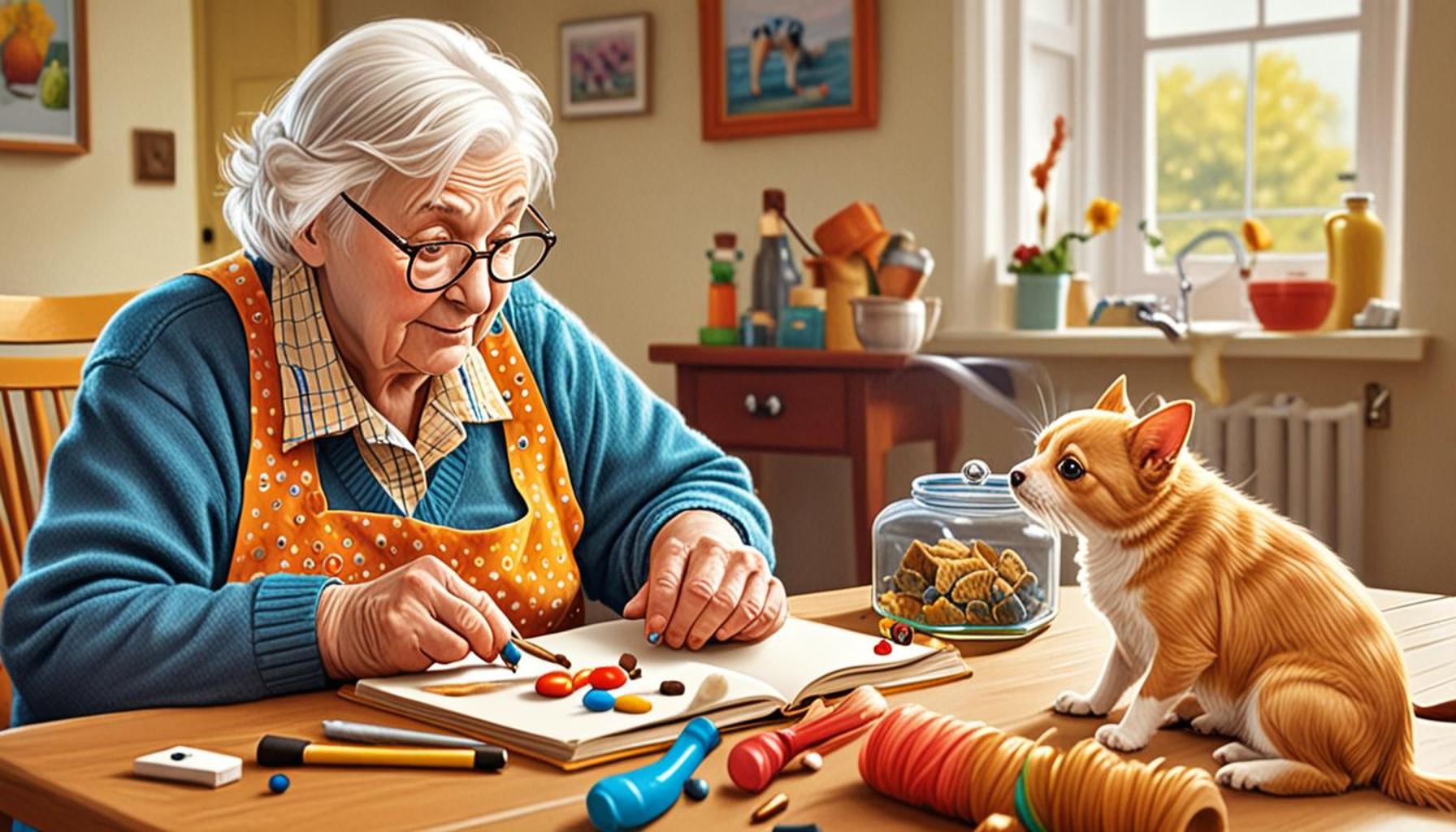
When enhancing the capabilities of our beloved pets, hunting behavior training serves as an intriguing and beneficial approach. This specialized form of training utilizes the natural instincts present in many dogs and cats, while simultaneously promoting a deeper bond between owner and pet. Understanding these instincts can unlock potential behaviors that not only make these animals more engaging companions but also lead to happier, healthier lives.
Whether you have an energetic retriever eager to fetch or a nimble cat that loves to stalk, the advantages of honing these hunting skills are profound. Here are several compelling reasons to consider investing in hunting behavior training:
- Improved Focus: Regular training sessions can significantly sharpen your pet’s attention, leading to enhanced responsiveness in various situations. For instance, a well-trained dog can be directed to retrieve items with precision, while a cat may develop skills that allow it to navigate playtime more effectively.
- Physical Exercise: Engaging in hunting-related activities, such as fetch or simulated hunting courses, promotes a healthier lifestyle. These activities encourage pets to run, jump, and play, contributing to their overall physical fitness and reducing risks of obesity-related health issues.
- Mental Stimulation: Incorporating problem-solving tasks into hunting training helps keep pets mentally agile and satisfied. For example, using puzzles and toys that require manipulation to access treats can improve cognitive skills while having fun.
Appreciating the inherent hunting instincts of your pets is pivotal for effective training. Dogs often display behaviors such as tracking scents, chasing moving objects, and retrieving items, whereas cats exhibit more subdued techniques like stalking their prey, pouncing, and capturing. Recognizing these natural tendencies allows pet owners to tailor training sessions that engage and challenge their pets appropriately.
This article will explore an array of techniques and exercises designed to capitalize on these instincts. For instance, you might consider arranging simple obstacle courses in your backyard that incorporates hiding toys and teaching your dog to find them, ensuring a mix of mental and physical challenges. Similarly, setting up playful hunting scenarios indoors can satisfy your feline’s desire to stalk, using feather wands or laser pointers to engage their pouncing instincts.
By delving into varied methodologies and practical exercises, pet owners can facilitate fulfilling experiences that lead not only to improved hunting skills but also to overall better behaviors and well-being. The journey to harnessing your pet’s innate instincts is not just about training; it’s a rewarding exploration that enhances the lives of you and your furry companions.
LEARN MORE: Click here for an in-depth look
Unlocking Natural Instincts Through Engaging Activities
Understanding and enhancing your pet’s hunting behaviors can drastically reshape their daily activities and interactions. Both dogs and cats possess remarkable instincts that, when properly stimulated, can lead to joyous experiences and improved behaviors. It begins with recognizing the specific traits of each species and tailoring training approaches accordingly. For dogs, hunting behavior training frequently centers around activities that leverage their strong sense of sight and smell, while for cats, the focus shifts to their natural tendencies for stalking and pouncing.
Here are some engaging activities to stimulate these natural instincts:
- Fetch and Retrieval for Dogs: This classic game is not just a fun activity but a great way to nurture your dog’s retrieval instincts. Use various objects like balls, frisbees, or even toys that make noise to capture their attention. Gradually increase the distance and complexity of the fetch challenges to keep your dog motivated and excited.
- Obstacle Courses: Setting up a simple obstacle course in your backyard can get your pet moving while also sharpening their hunting skills. Have your dog navigate through tunnels, jump over hurdles, or weave between cones. For cats, consider creating an indoor agility path using furniture, boxes, and scratching posts to simulate a miniature hunting ground.
- Hide and Seek: This game taps into the natural instincts of both species. For dogs, hide treats around the house and encourage them to find them using their nose. Cats can enjoy similar games with toys hidden in various locations. It promotes their natural foraging behavior and can be a thrilling challenge for them.
- Interactive Toys and Puzzles: Stimulate your cat’s or dog’s mind with toys that require problem-solving skills to release treats. These interactive toys mimic hunting behavior and encourage pets to think critically, all while engaging in play.
Implementing these activities not only stimulates your pet’s instincts but also fosters a stronger bond between you and your furry friend. Spending quality time while training makes it an enjoyable experience, resulting in enhanced companionship. Moreover, early exposure to these activities can mitigate potential behavioral issues often stemming from boredom or lack of physical exercise.
Keeping your pet engaged can also uncover hidden talents. For example, certain breeds of dogs, like the Labrador Retriever, are natural markers and can learn to indicate where they’ve hidden toys or treats. Similarly, your feline companion may surprise you with its agility and stealth while maneuvering through obstacles or stalking its toys. The thrill of discovering these capabilities can invigorate both owner and pet, leading to a fulfilling journey in hunting behavior training.
As we navigate through more advanced techniques in the following sections, understanding the fundamental behaviors and instincts will set the groundwork for success. From enhancing their natural hunting abilities to creating enriching experiences, embracing these activities can lead to a more active and joyful life for your pets.
| Category | Advantages |
|---|---|
| Natural Instincts | Enhances the ability of pets to engage in activities that mimic their natural hunting behaviors. |
| Mental Stimulation | Promotes cognitive development through problem-solving and strategic thinking exercises. |
The approach to Hunting Behavior Training not only unlocks the innate capabilities of dogs and cats but also significantly contributes to their overall well-being. Exploring areas such as tracking, chasing, and retrieving invigorates their senses, making training sessions a dynamic playtime and an essential part of their daily routine. Moreover, mental stimulation is critical for pets. By engaging in such activities, they are less likely to exhibit undesirable behaviors stemming from boredom, leading to a more harmonious living environment. This type of training also fosters a stronger bond between the pet and owner, increasing the pet’s trust and reliance on their human companion. Utilizing games like scenting challenges or target searching can further enhance practical skills, allowing you to observe and appreciate the pets’ capability to execute tasks that resonate with their instincts. As you delve deeper into Hunting Behavior Training, you’ll unveil the myriad benefits it harbors, encouraging healthier lifestyles and satisfied pets eager to explore their surroundings.
DISCOVER MORE: Click here to learn about the pet adoption process
Nurturing Instincts Through Socialization and Enrichment
As we explore the intricate relationship between hunting behavior training and natural instincts, it’s essential to recognize the role of socialization and environmental enrichment. When it comes to training and stimulating hunting behaviors in dogs and cats, the context of their social interactions and surroundings plays a crucial role. By offering a rich, stimulating environment, we can nurture their natural instincts while also reinforcing positive behaviors.
One effective way to encourage your pet’s instincts is through structured playgroups and social interaction. For dogs, participating in group training sessions or dog parks can offer them opportunities to mimic natural hunting behaviors in a safe, controlled setting. Encountering varied dog breeds allows for a lively exchange of play styles and energy levels, which can be vital for a dog, particularly those with high prey drives. It encourages them to engage in mock hunting scenarios, enabling them to practice their skills, such as chasing and agility, while simultaneously interacting with other dogs.
For cats, socialization can be a bit more complex, given their naturally independent and territorial nature. However, introducing your cat to safe, supervised playdates with other friendly cats can stimulate their curiosity and hunting instincts. Cats often engage in play behavior that mimics stalking and pouncing—essentially acting out their predatory roles. Incorporating wall-mounted cat trees or interactive playscapes can also enhance their ability to climb and explore, ultimately refining their natural hunting skills.
Another significant aspect of enrichment and training is encouraging the use of scent. Dogs possess an exceptional olfactory sense—estimated to be anywhere from 10,000 to 100,000 times more acute than humans—making scent-based activities critical to their hunting repertoire. Engaging in scent detection exercises, like scent trails or tracking games, allows your dog to hone their inherent abilities. You can create a simple scent-laying trail using their favorite treats or toys, encouraging them to utilize their nose to follow the path. Training classes focused on scent work are also available and provide an avenue for your dog to channel their instincts in a social environment.
For cats, incorporating scent is essential, too. They have a remarkable sense of smell, second only to dogs in the animal kingdom. Utilizing catnip-filled toys, treats with strong aromas, or even creating a small scavenger hunt around the house will cater to their inquisitive nature. Allowing your feline companion to explore new scents can also lead to stimulating, instinct-driven behaviors such as nosework, which emulates hunting skills in a fun, enriching way.
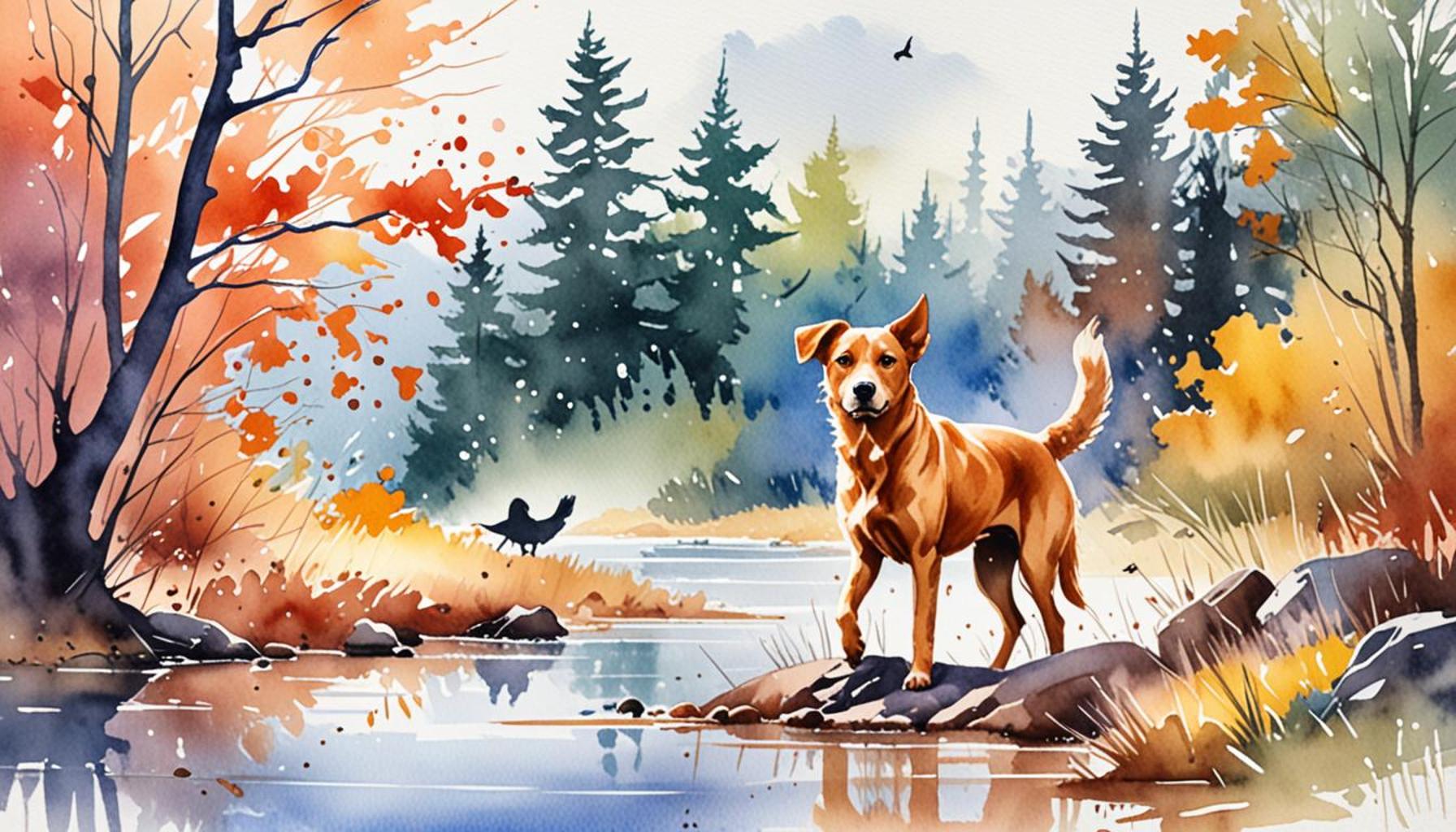
In addition to these techniques, time spent outdoors can significantly contribute to enhancing your pet’s natural instincts. For dogs, supervised excursions to forests or fields provide outlets to engage their sensory capacities. A simple game of chase through grasslands can awaken those primal instincts. Cats, on the other hand, may benefit from secure outdoor enclosures or harness training that allows them to explore the sights, sounds, and scents of nature while ensuring their safety.
By recognizing the importance of socialization, sensory engagement, and environmental enrichment, pet owners can establish multifaceted approaches to hunting behavior training. Techniques that combine these elements not only stimulate instinctual behaviors but also create more well-rounded, content pets. As we delve further into advanced training techniques, these foundational aspects will remain pivotal in maximizing your companion’s potential.
DISCOVER MORE: Click here to enhance your pet’s quality of life
Conclusion: Unlocking the Primal Potential
In conclusion, hunting behavior training serves as a critical bridge between our domesticated pets and their wild ancestors, allowing us to harness and enhance their natural instincts. By focusing on socialization, environmental enrichment, and scent-centered activities, pet owners can effectively engage their dogs and cats in fulfilling, instinct-driven behaviors. These practices not only promote healthier activity levels but also foster a deeper bond between pets and their owners.
As we have seen, organized playgroups and enriched environments provide invaluable opportunities for pets to explore their predatory skills in a safe context. Whether it’s through chasing games for dogs or independent play sessions for cats, these enriching interactions stimulate both physical and mental agility. Scent detection exercises further awaken these instincts, ensuring our companions remain mentally sharp and engaged.
Moreover, the importance of outdoor experiences cannot be overstated. Supervised outdoor activities allow pets to experience a world filled with natural stimuli, facilitating the expression of their primal behaviors while ensuring their safety. This holistic approach to hunting behavior training ultimately leads to more dynamic, balanced animals capable of experiencing life to its fullest.
For pet owners dedicated to nurturing these instincts, the journey of training can be both rewarding and enlightening. Embracing the wild at heart in our domesticated companions not only enhances their well-being but also invites us to appreciate the rich tapestry of their evolutionary heritage. As we strive to understand and stimulate our pets’ natural instincts, we contribute to a happier, healthier coexistence.