
How to Deal with Allergies in Pets: Causes and Solutions
Understanding Pet Allergies
Allergies in pets are increasingly widespread, prompting concern among pet owners across the United States. Conditions such as allergies can lead not only to discomfort but also to significant health risks for our furry companions. Understanding the causes of these allergies and finding effective solutions is crucial for ensuring their well-being and quality of life.
Common Causes of Allergies in Pets
- Environmental Factors: Common triggers for allergies include dust mites, pollen, and mold. Many pets suffer from seasonal allergies, similar to humans, with symptoms often peaking in spring and fall when pollen counts are highest. For example, a dog may experience allergic reactions after playing outdoors, bringing pollen and other allergens into the home.
- Food Allergies: Food intolerances are another major cause of allergies in pets. Ingredients such as chicken, beef, and certain grains can provoke sensitivities, leading to gastrointestinal issues or skin irritations. A pet that suddenly develops itching after eating the same food for years may have developed a food allergy, necessitating a switch to a hypoallergenic diet.
- Flea Allergies: One of the most common issues leading to allergies is flea bites. Even a single flea bite can trigger a strong allergic reaction, resulting in intense itchiness, which can cause pets to scratch excessively. This can lead to secondary infections and skin complications if not treated promptly.
Recognizing Symptoms
Awareness of the symptoms of allergies in pets is essential for early intervention. Symptoms can vary widely but typically include:
- Excessive scratching or licking: Pets may scratch themselves excessively, often leading to fur loss and skin infections.
- Redness or inflammation of the skin: Affected areas may show signs of redness, rashes, or lesions, indicating an allergic reaction or skin condition.
- Ear infections or irritated eyes: Allergies can also manifest with recurrent ear infections or conjunctivitis in pets, prompting additional discomfort and distress.
By comprehensively understanding these common allergies, pet owners can take proactive steps to protect their pets. Regular veterinary visits are vital for accurate diagnosis and effective treatment. Options may include allergy testing, prescribed medications, or dietary adjustments. Being vigilant and well-informed will ensure that pets receive the care they need, contributing to a happier and healthier life.
DISCOVER MORE: Click here to learn about the emotional journey of pet adoption
Identifying Allergy Triggers in Pets
Understanding the triggers behind allergies is the first step in providing relief to our beloved pets. By identifying these allergens, pet owners can begin to implement effective strategies to minimize exposure and alleviate symptoms. Every pet is unique, and what may trigger an allergic reaction in one animal might not affect another. Thus, thorough observation and a bit of investigation can go a long way in pinpointing the roots of your pet’s discomfort.
Environmental Allergens
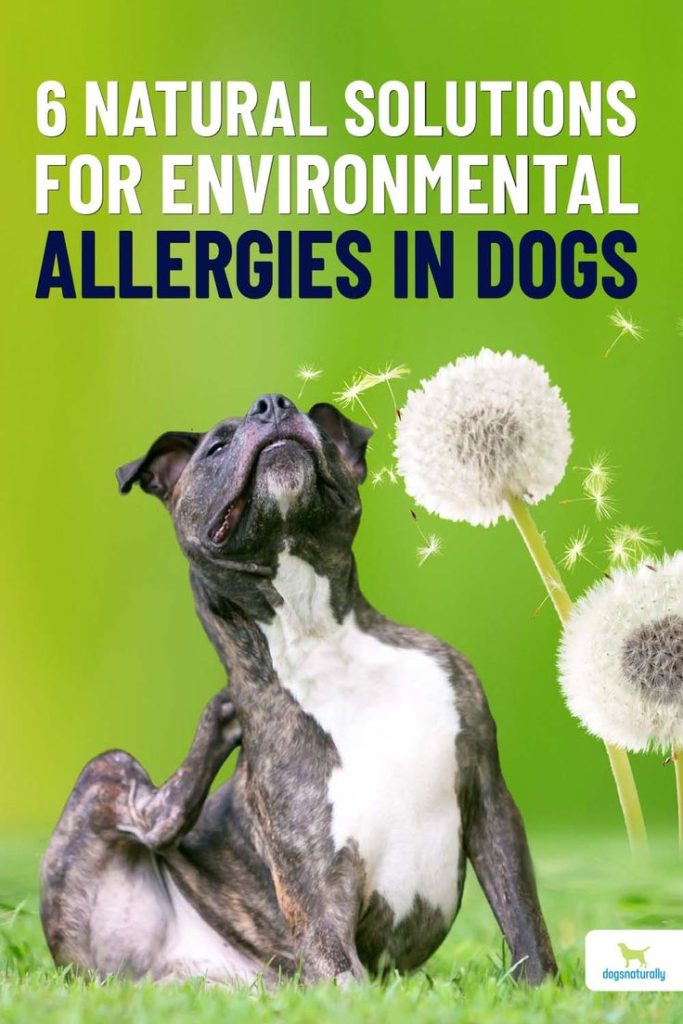
Environmental allergens are perhaps the most commonly overlooked triggers for pet allergies. Pets often come into contact with allergens that are prevalent in our communities—this includes pollen from trees, grasses, and weeds, which can easily attach to their fur during outdoor play. The symptoms can intensify on windy days or during peak pollen seasons, making it essential for owners to closely monitor their pets’ behavior during these times. In addition, dust mites and molds can thrive in our homes, and pets may develop sensitivities to these indoor allergens. Regular cleaning, such as vacuuming carpets and washing bedding, can help reduce dust accumulation and improve the living environment.
Food Allergy Identification
Food allergies present another challenge for pet owners. It is crucial to keep in mind that a pet can develop sensitivities to ingredients they have consumed for years without issue. Common culprits include chicken, beef, corn, and wheat. A sudden onset of gastrointestinal issues or skin irritations might signal the need for dietary adjustments. To effectively identify a food allergy, owners can implement a hypoallergenic elimination diet under veterinary supervision. This process involves eliminating certain foods and gradually reintroducing them to observe reactions.
Flea Control and Prevention
Flea allergies are particularly prevalent among pets, especially in warmer seasons. A single flea bite can lead to an intense allergic reaction, causing pets to scratch uncontrollably. This presents an immediate risk for secondary infections due to broken skin. It is vital to maintain a year-round flea prevention program for pets, even during winter months when fleas may still linger indoors. Regular grooming and the use of veterinarian-recommended flea prevention products can help keep these pesky invaders at bay.
Recognizing these factors as potential sources of allergies ensures that pet owners can take decisive action to mitigate their pet’s discomfort. Consulting with a veterinarian will often lead to essential testing and treatment options tailored to the specific needs of your furry friend. By staying informed and vigilant, pet owners will not only enhance their pets’ well-being but also improve their overall quality of life.
Understanding Common Allergies in Pets
When considering pet allergies, it’s essential to identify the most prevalent culprits that can affect your furry friends. Allergies in pets can manifest for various reasons, including environmental factors, food sensitivities, and more. Understanding these causes is crucial to managing their health effectively.
Environmental Allergies
One of the major contributors to allergies in pets is environmental allergens. Common triggers include pollen, dust mites, mold, and various grasses. These allergens can lead to symptoms such as sneezing, itching, and inflamed skin. Keeping your home clean and investing in air purifiers can significantly help alleviate these issues.
Food Allergies
Food allergies can also play a significant role in pet discomfort. Ingredients such as beef, chicken, dairy, and grains are notorious for causing allergic reactions in some pets. If you suspect your pet might have a food allergy, it may be beneficial to consult a veterinarian about conducting an elimination diet. This process involves removing potential allergens from their diet and gradually reintroducing them to identify the trigger.
Flea Allergies
Another common problem is flea allergy dermatitis. A single flea bite can cause severe itching and irritation for many pets, leading to continuous scratching or biting at their skin. This reaction is often exacerbated in pets that are allergic to flea saliva. Regular use of flea prevention products is essential to minimize this risk.
Solutions for Managing Allergies
Once you’ve identified the potential allergens affecting your pets, various strategies can help manage their symptoms effectively. Here are some practical solutions:1. Regular Cleaning: Maintain a clean environment by frequently washing pet bedding, vacuuming, and dusting. This can significantly reduce allergens like dust mites and pollen.2. Dietary Adjustments: If food allergies are suspected, transitioning to a hypoallergenic diet can be beneficial. Consult your veterinarian to determine the best options tailored to your pet’s needs.3. Medication: In some cases, a vet may recommend antihistamines, corticosteroids, or other medications to relieve allergy symptoms. Using these medications under veterinary guidance ensures safe and effective treatment.4. Allergy Testing: For persistent cases, allergy testing can identify specific triggers, allowing for targeted treatment and management strategies.Understanding the causes and implementing effective solutions can lead to a happier, healthier life for your pets. Don’t hesitate to reach out to a veterinarian for tailored advice and treatment options to alleviate your pet’s allergy-related issues.
DON’T MISS: Click here to discover essential puppy socialization techniques
Common Symptoms of Allergies in Pets
Recognizing the symptoms of allergies in pets is a crucial step toward ensuring their health and comfort. Pet owners should be vigilant as these allergies can manifest in various ways, and the signs may not be immediately evident. Some pets may display mild symptoms, while others may have severe reactions that can lead to distress or disturb their daily activities.
Dermatological Reactions
One of the most visible signs of allergies in pets is skin irritation. Symptoms often include excessive sneezing, scratching, and licking, which can lead to red, inflamed skin, hair loss, and even infections. Hot spots, or infected areas on the skin, can develop due to constant scratching, making it imperative for pet owners to seek advice from a veterinarian. Affected areas may also emit an unpleasant odor, indicating an underlying issue that needs immediate attention.
Gastrointestinal Distress
Food allergies are notorious for causing gastrointestinal symptoms, which may lead to vomiting, diarrhea, or flatulence. Digestive issues can significantly impact a pet’s quality of life, making it vital for pet owners to carefully monitor their pets’ eating habits. Animals displaying inconsistent bowel movements or gastrointestinal disruptions should be noted, as this might signal the need for dietary changes or professional evaluation.
Respiratory Problems
Allergic reactions can also present themselves in a pet’s respiratory system. You might observe symptoms such as coughing, wheezing, or nasal discharge, especially during certain seasons or in dusty environments. In some cases, pets may develop allergic rhinitis, resulting in sneezing fits and difficulty breathing, which could require immediate veterinary intervention. Owners should pay attention to any changes in their pets’ breathing patterns, particularly in situations where they are exposed to known allergens.
Effective Solutions for Managing Allergies in Pets
Once the triggers and symptoms of allergies are identified, it is time to explore solutions that can effectively alleviate your pet’s discomfort. Fortunately, various effective strategies and treatments are available to improve their quality of life.
Medical Treatments
Veterinarians may prescribe antihistamines or corticosteroids to help control allergic reactions in pets. These medications can provide relief from itching and inflammation, allowing pets to be more comfortable in their daily lives. However, it is essential to consult with a veterinarian to determine the appropriate dosage and type of medication for your specific pet, as some animals may react differently to various treatments.
Changing the Diet
If food allergies are determined to be the culprit, implementing a novel protein diet may serve as a solution. This involves introducing new proteins and carbohydrates that your pet has never consumed before, reducing the chances of an allergic reaction. It’s best to consult with a veterinarian to find suitable options that fit your pet’s nutritional needs while avoiding known allergens.
Allergen-Specific Immunotherapy
For pets with persistent allergies, allergen-specific immunotherapy may be an effective long-term solution. This approach involves conducting allergy tests to identify specific allergens and subsequently administering gradual doses of the allergen to desensitize the pet’s immune response. Over time, this treatment can significantly decrease allergy symptoms and improve a pet’s overall well-being.
By recognizing symptoms and implementing appropriate treatment strategies, pet owners can create a healthier and happier living environment for their furry friends. Remember that each pet is unique, and collaboration with a veterinarian is crucial in determining the most effective course of action.
DISCOVER MORE: Click here
Conclusion: Navigating the World of Pet Allergies
Understanding and managing allergies in pets is an essential undertaking for every pet owner. The journey begins with recognizing early symptoms, as timely detection can greatly mitigate discomfort for your furry friends. As allergies can stem from various causes, ranging from environmental irritants to specific food items, a comprehensive approach is required. By consulting with a veterinarian, pet owners can accurately identify triggers and tailor effective treatment plans.
Employing both medical treatments and dietary changes can significantly improve the health and well-being of pets suffering from allergies. For those looking for long-term relief, allergen-specific immunotherapy offers a scientifically backed solution that helps desensitize pets to specific allergens over time. However, it’s important to recognize that each pet’s needs are unique, and what works for one may not work for another.
As awareness around pet allergies continues to grow, we encourage pet owners to stay informed and proactive in addressing these issues. Regular check-ups and discussions with veterinary professionals can lead to improved quality of life for pets. By taking these steps, you not only enhance the welfare of your companion but also strengthen the bond you share. Ultimately, investing time in understanding and managing pet allergies will yield a happier, healthier, and more fulfilling experience for both you and your beloved pet.