How to Choose the Ideal Food for Different Ages and Breeds of Pets
The Importance of Tailored Nutrition for Your Pet
The task of selecting the best food for your pet can seem overwhelming, especially in an era where pet food brands offer seemingly endless choices. However, understanding the specific dietary requirements of your pet based on their age, breed, and overall health is essential to promoting their long-term health and happiness. Just like humans, pets have unique nutrition needs that change throughout their life stages.
Life Stage: A Vital Consideration
When it comes to diet, one of the most crucial factors is the pet’s life stage. For example, puppies and kittens require diets rich in proteins and calories to support their rapid growth and developmental needs. This is often found in “puppy” or “kitten” formulas that are specifically designed to facilitate healthy bone and muscle development.
In contrast, adult pets have different nutritional necessities that focus on maintaining their health, while senior pets often benefit from diets that support joint health, improved digestion, and lower calorie counts to prevent obesity.
Breed Size: Tailoring Nutrients for Different Needs
The size of your pet also significantly influences their nutritional requirements. For instance, large breed dogs, such as Labrador Retrievers and Great Danes, require a diet that is formulated to support their unique bone structure and muscle mass. These diets often include controlled levels of calcium and phosphorus to prevent skeletal issues, as well as additives like glucosamine for joint support.
On the other end of the spectrum, small breed dogs like Chihuahuas and Pomeranians tend to have higher metabolic rates and require food that is calorie-dense yet small enough for them to chew comfortably.
Health Considerations: Beyond Basic Nutrition
Specific health issues also dictate unique dietary needs for pets. For example, animals with allergies often benefit from limited-ingredient diets, while those with diabetes may require low-sugar formulas. Additionally, pets with conditions such as kidney disease benefit from diets that manage protein and phosphorus intake.
Current Trends in Pet Food
The pet food industry is evolving rapidly. Owners are increasingly interested in options that include organic ingredients, grain-free choices, and even specific formulations targeting certain breeds. These trends reflect a growing awareness among pet owners about the quality of the ingredients being fed to their animals and their impact on health.
For example, grain-free diets have gained popularity among pets with sensitive stomachs, though it’s essential for owners to consult with a veterinarian before making dietary shifts, as the long-term effects of such diets are still being researched.
In conclusion, the journey toward optimal pet nutrition is one that requires careful thought, research, and ongoing education. By understanding the different factors that influence your pet’s dietary requirements and keeping abreast of industry trends, you can make informed choices that not only enhance your pet’s health but also elevate their overall happiness.
DISCOVER MORE: Click here to learn about the emotional journey of pet adoption
Understanding Your Pet’s Unique Dietary Needs
Choosing the right food for your pet involves a careful consideration of their specific needs based on their age, breed, and health condition. The right nutrition goes beyond simply filling their bowls; it fosters vitality, longevity, and overall well-being. As pet owners, it’s our responsibility to decipher the labels and make informed decisions to ensure our furry companions lead happy, healthy lives.
The Significance of Life Stages
Understanding the life stage of your pet is paramount when selecting food. Each stage – puppy, adult, and senior – comes with distinct dietary requirements that cater to their growth and development. Here’s a breakdown:
- Puppies: The first year of a dog or cat’s life is a crucial period for growth. Diets recommended for puppies and kittens tend to be rich in calories, proteins, and fats to support their energy-intensive lifestyles. Foods formulated for young pets usually include higher levels of calcium and phosphorus to facilitate optimal bone growth.
- Adult Pets: Once your pet reaches adulthood, their diet shifts towards sustaining their health. Adult formulas provide balanced nutrition while often having fewer calories to prevent obesity. Maintaining muscle mass and supporting overall organ function becomes a priority at this stage.
- Senior Pets: As pets age, they may require adjustments in their diet to combat age-related issues. Senior formulas may include joint-supportive supplements like glucosamine, and they often have lower calories and an enhanced focus on digestive health, making it easier for them to absorb essential nutrients.
Breed Considerations in Nutrition
The size and breed of your pet further influence their dietary requirements. Large, medium, and small breeds all have unique metabolic rates and nutritional needs:
- Large Breed Dogs: Breeds like German Shepherds and Golden Retrievers may need diets formulated to prevent joint issues associated with their size. Foods for these breeds often contain appropriate ratios of calcium and phosphorus to support healthy skeletal development.
- Small Breed Dogs: In contrast, small breeds such as Dachshunds and Yorkshire Terriers require nutrient-dense foods that cater to their high-energy levels. Their food must be compact in size for easy consumption and high in caloric density.
Addressing Health Concerns with Nutrition
Health considerations play a critical role in the decision-making process. Chronic conditions like obesity, diabetes, or allergies necessitate specialized diets:
- Allergies: For pets diagnosed with food allergies, a limited-ingredient diet may alleviate symptoms while keeping their nutritional needs met.
- Diabetes: Pets with diabetes require foods that are low in sugars and complex carbohydrates to manage insulin levels effectively.
- Kidney Disease: For pets suffering from kidney issues, a diet that minimizes protein and phosphorus can help prevent further health deterioration.
As the pet food market diversifies, so too do the available options. Staying informed and understanding your pet’s specific dietary requirements at every life stage, breed size, and potential health issues allows you to provide a diet tailored specifically for their needs, setting the stage for a vibrant and fulfilling life.
Choosing the ideal food for your pets is essential for their health and well-being, especially when considering the various factors such as age, breed, and nutritional needs. Different life stages bring different requirements, and this is where understanding the unique needs of your pet becomes vital.For puppy and kitten food, it is important to focus on formulas that support growth and development. These formulas typically contain higher levels of protein and fat, which are essential for their energy and development. As your pets transition into adulthood, their nutritional needs will change; adult formulas often have balanced nutrients to maintain healthy weight and overall health. Lastly, senior pets may require lower-calorie diets with added joint support, as well as heightened digestibility to cater to their less active lifestyle and potential digestive issues.Breeds also play a crucial role in selecting the right food. For instance, small breed dogs may need food that is higher in calories to support their fast metabolism, while larger breeds may benefit from diets designed to help with bone and joint strength. There are also breed-specific formulas that cater to individual breed needs, which can be particularly beneficial for optimizing health and longevity.When making decisions about pet food, consider consulting with veterinarians who can provide insights tailored to your pet’s health status. The right nutrition can make a significant difference in their vitality, weight management, and overall happiness. As you delve deeper into understanding your pet’s dietary requirements, you’ll uncover the critical components of proper nutrition, ensuring that every meal contributes to a longer, healthier life.
DON’T MISS OUT: Click here to learn why regular check-ups are essential for your pet’s health</p
Navigating the World of Pet Food Options
In the vast landscape of pet food choices available today, navigating the myriad options can be daunting for any pet owner. Understanding the differences between various types of food – such as dry, wet, fresh, and raw diets – is crucial to selecting the ideal nutrition plan for your pet.
Dry vs. Wet Food
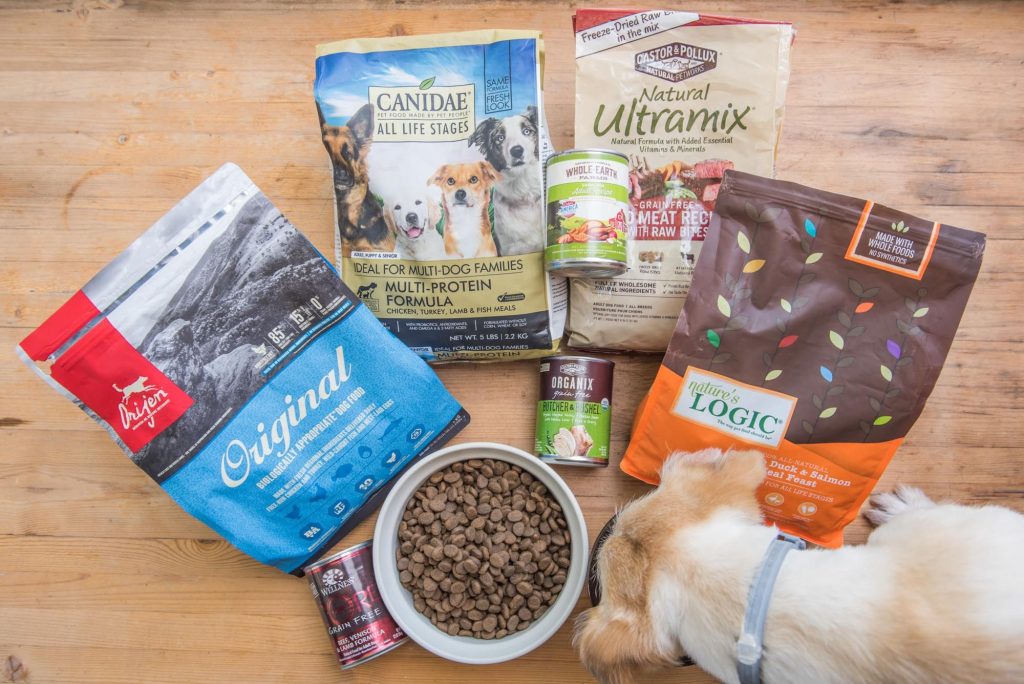
Pet food typically comes in two main forms: dry and wet. These products are formulated to meet the nutritional requirements dictated by your pet’s age, breed, and health status.
- Dry Food (Kibble): Dry food is convenient, cost-effective, and has a longer shelf life. It is beneficial for dental health, as the crunchiness can help reduce plaque and tartar buildup. However, one must ensure that the dry food is high-quality and specifically designed for their pet’s age and size.
- Wet Food: Wet food often contains higher moisture content, which is essential for pets that may not drink enough water. It is typically more palatable for finicky eaters and can be a better option for older pets who may struggle with chewing. Nevertheless, it’s often more expensive and should be used in combination with dry food to balance nutrition.
Fresh and Raw Diets
Another trend gaining popularity is the use of fresh and raw diets, which some owners believe provide a more natural way to nourish their pets:
- Fresh Food: Fresh food diets consist of human-grade ingredients and are free from artificial preservatives. Many brands offer fresh meal delivery services, making it easy to provide a balanced diet. However, owners should verify that these meals are nutritionally complete and suitable for their pet’s specific needs.
- Raw Diet: The raw food diet mimics the diets of wild animals, focusing on raw meat, bones, and vegetables. Proponents claim it leads to healthier coats, improved digestion, and increased energy levels. It is important to consult with a veterinarian before transitioning to a raw diet to ensure safety and proper nutritional balance.
Reading Labels: What to Look For
Regardless of the type of pet food chosen, reading the labels is an essential skill for any responsible pet owner. Here are key components to scrutinize:
- Ingredient Quality: Look for named meat sources (like chicken or lamb) as the first ingredient. Avoid vague terms such as “meat by-product” which may signify lower quality.
- Nutritional Adequacy Statement: Check for a statement confirming that it meets the standards set by the Association of American Feed Control Officials (AAFCO). This ensures that the food is nutritionally balanced for your pet’s specific life stage.
- Feeding Guidelines: Pay attention to the recommended feeding guidelines based on your pet’s weight, age, and activity level. Following these will help prevent obesity and ensure that your pet receives the right amount of nutrients.
Understanding Supplements and Additives
In addition to choosing the right food, understanding the role of supplements can enhance your pet’s diet. Omega-3 fatty acids can promote a healthy coat and skin, while probiotics support digestive health. Always consult your veterinarian before adding supplements to your pet’s diet to avoid unnecessary or harmful excesses.
Ultimately, the journey to finding the right food for your pet requires diligence. By being aware of their dietary needs across their life stages, considering breed influences, and understanding the variety of food options and label components, you create a well-rounded approach to fostering their health and happiness. Your dedication to their nutrition will have a profound impact on their quality of life, adding years to your time together and joy to your shared experiences.
LEARN MORE: Click here for essential tips
Conclusion: Making Informed Choices for Your Pet’s Nutrition
As a devoted pet owner, understanding the nutritional needs of your furry companion at various ages and breeds is paramount. Choosing the ideal food goes beyond simply picking a brand or flavor; it encompasses a comprehensive approach that includes evaluating the type of food best suited for their health status and lifestyle. Whether opting for dry, wet, fresh, or raw diets, knowing what each offers helps ensure your pet receives a balanced and enriching diet.
Moreover, taking the time to read labels and scrutinize ingredient quality cannot be overstated. Not only does this guarantee that the food meets the nutritional adequacy standards set by authorities like AAFCO, but it also empowers you to avoid fillers and low-quality ingredients. Consider integrating supplements judiciously, always after consulting your veterinarian, to enrich your pet’s diet based on their unique needs.
In conclusion, the journey towards finding the perfect nutrition plan for your pet is a rewarding one. By actively engaging in research and discerning choices, you pave the way for a healthier, happier life for your beloved friend. Each meal serves as a building block towards their well-being, influencing their energy levels, coat condition, and even longevity. Your commitment to embracing this nutritional journey not only benefits your pet but also enhances the bond between you, filled with joy and shared adventures.