How Natural Nutrition Can Contribute to the Long-Term Health of Pets
Understanding the Shift Towards Natural Nutrition
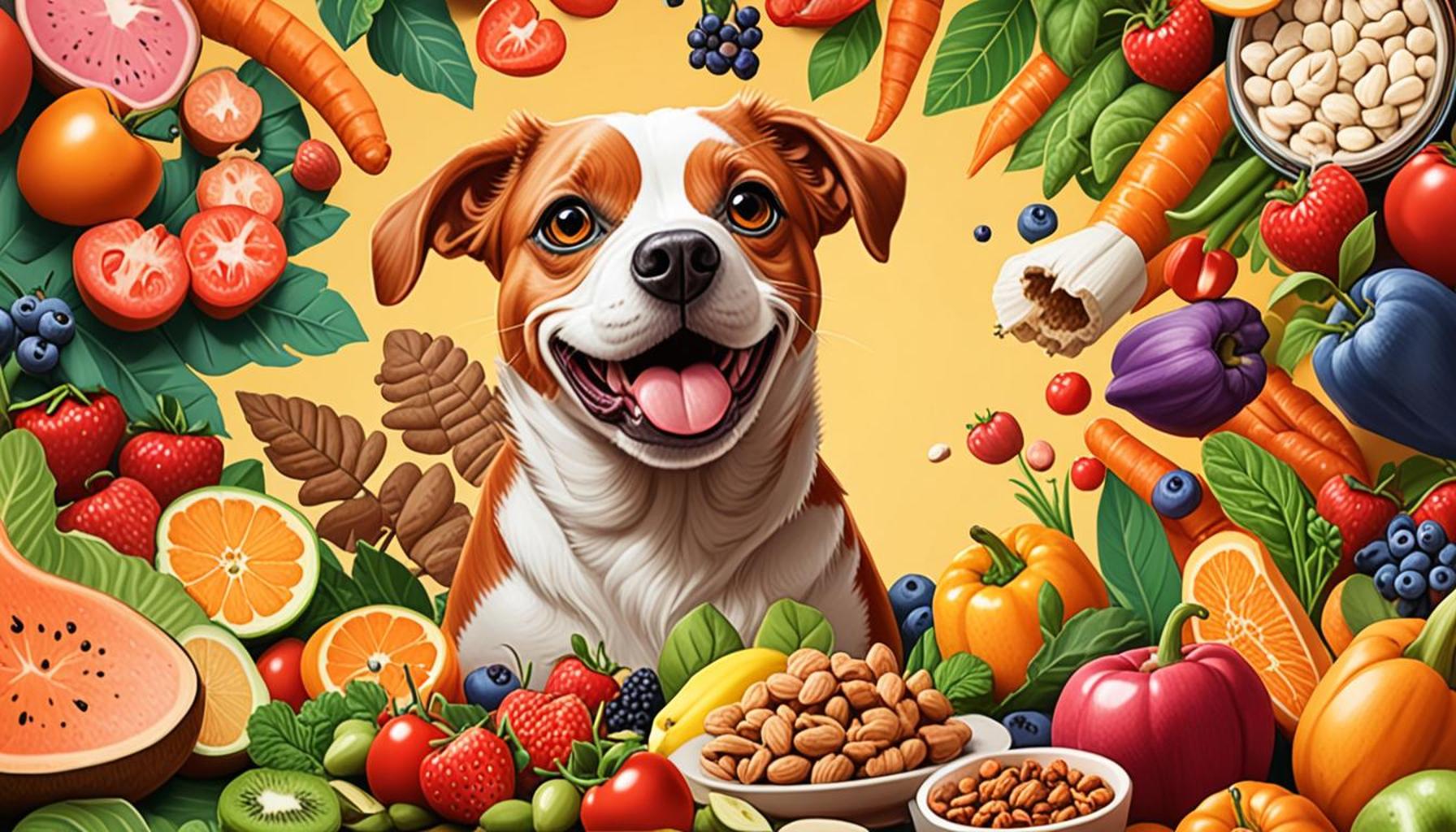
As pet owners become more educated about their furry companions’ dietary needs, the demand for natural nutrition continues to grow. This shift represents not just a trend, but a vital movement towards improving the overall health and longevity of pets. Replacing heavily processed pet food with options rich in whole ingredients can profoundly affect pets’ quality of life, making it crucial for owners to understand the benefits of these choices.
Key Benefits of Natural Nutrition
The advantages of incorporating natural nutrition into your pet’s diet are extensive and can cater to a variety of health concerns. For instance, one of the most significant benefits is improved digestion. Natural foods often contain higher levels of fiber which can promote optimal gastrointestinal function. Ingredients such as sweet potatoes, pumpkin, and brown rice not only aid in digestion but also help regulate bowel movements, preventing issues like constipation or diarrhea.
Moreover, dogs and cats that consume a natural diet frequently display enhanced energy levels. By offering easily digestible proteins from sources like chicken, fish, and lamb, pets are more likely to have the stamina and vitality to engage in play, training, and social activities. This is particularly essential for active breeds that require abundant energy to fuel their adventurous lifestyles.
Another critical advantage is the development of a stronger immune system. Nutrient-dense foods filled with vitamins, minerals, and antioxidants fortify pets against a range of illnesses. Fresh fruits and vegetables such as blueberries, carrots, and spinach provide essential nutrients that contribute to overall health, reducing the risks of common ailments.
Addressing Common Health Issues
Switching to natural nutrition can significantly help mitigate prevalent health issues in pets, such as allergies and obesity. Pets suffering from food sensitivities often react adversely to artificial ingredients and fillers commonly found in conventional pet foods. By selecting limited-ingredient diets that emphasize fresh, whole foods, many pet owners see a remarkable reduction in allergy symptoms.
Moreover, the issue of obesity in pets is growing in the United States, leading to more serious conditions like diabetes and joint problems. A natural diet composed of lean meats, fresh vegetables, and healthy fats helps maintain a balanced weight. For example, incorporating ingredients like fish, which is high in omega-3 fatty acids, supports a healthy metabolism and promotes weight management.
Empowering Pet Owners
Choosing natural nutrition not only improves pets’ immediate health but also empowers owners to make informed dietary decisions. By prioritizing whole ingredients and avoiding fillers and by-products, pet owners can provide their pets with the nutrients and energy they need to thrive. As this trend continues to gather momentum, it paves the way for a healthier future for our four-legged friends. This vital knowledge encourages pet owners to research and explore natural dietary options, fostering a deeper understanding of how their choices contribute to their pets’ well-being.
In summary, embracing natural nutrition embodies a commitment to enhancing the lives of pets, setting the stage for happier, healthier companions. As the awareness of these dietary choices spreads, more pet owners are likely to delve into the world of natural ingredients, ultimately benefiting their furry family members for years to come.
DIVE DEEPER: Click here to discover more
The Role of Whole Foods in Pet Nutrition
When examining how natural nutrition can significantly impact the long-term health of pets, it’s essential to understand the role of whole foods in their diets. Whole foods, which are unprocessed or minimally processed ingredients, provide pets with a wealth of essential nutrients that are often lost in heavily processed diets. The integration of these ingredients is not merely a diet change; it’s a lifestyle enhancement for pets.
Natural nutrition emphasizes a variety of wholesome ingredients that support optimal health. Here are some critical components of a whole food diet:
- Lean Proteins: Sources like chicken, turkey, fish, and lamb offer the amino acids needed for muscle development and repair.
- Fruits and Vegetables: Nutritious items such as blueberries, carrots, and kale provide antioxidants and vitamins that promote immune health and vitality.
- Healthy Fats: Essential fatty acids from sources like fish oil or flaxseed oil foster healthy skin and coat, ensuring that pets look and feel their best.
- Whole Grains: Ingredients like brown rice and quinoa supply energy and fiber, aiding in digestion and overall gut health.
Moreover, the shift to a natural diet can play a crucial role in reducing the ingestion of harmful additives and preservatives often found in commercial pet foods. These substances can lead to a host of health issues, including digestive troubles and inflammation. By choosing a natural approach, pet owners can provide their pets with a cleaner and safer diet.
The Importance of Nutritional Variety
Another pillar of natural nutrition is the emphasis on nutritional variety. Just as humans benefit from a diverse diet, pets thrive when exposed to a wide range of nutrients. Introducing a variety of whole foods into your pet’s diet can help prevent food boredom, which may lead to a decline in appetite or the development of behavioral issues. It also ensures that pets receive all the necessary vitamins and minerals needed for their physical and mental health.
Pet owners can rotate different protein sources and include various fruits and vegetables to create a well-rounded meal plan. For example, switching between chicken, fish, and beef throughout the week not only makes meals more exciting for pets but also contributes to their overall nutritional intake. This practice helps in building a robust immune system while minimizing the risk of certain food allergies that can develop over time.
In conclusion, understanding the pivotal role of whole foods and nutritional variety in pet diets assists owners in making more informed choices. The benefits extend beyond immediate dietary satisfaction; they pave the way for heightened health, energy, and vitality in the long term. As awareness of the importance of natural nutrition increases, so does the potential for healthier and happier pets across the United States.
| Advantage | Details |
|---|---|
| Improved Digestive Health | Natural nutrition, rich in fiber and probiotics, helps maintain a balanced gut flora, promoting better digestion and nutrient absorption. |
| Enhanced Immune Function | Foods high in vitamins, minerals, and antioxidants bolster the immune system, protecting pets from common illnesses and diseases. |
Natural nutrition provides multiple benefits that can play a crucial role in your pet’s longevity. For instance, improving digestive health is vital. A diet that includes whole grains, fresh fruits, and vegetables not only nourishes pets but also regulates their digestion, allowing for better nutrient uptake. Meanwhile, enhancing immune function through a well-rounded diet rich in necessary vitamins and antioxidants helps pets fend off various ailments.Additionally, focusing on a diet based on natural ingredients reduces the risk of allergic reactions and intolerances that are prevalent in many commercial pet foods. By opting for more natural options, pet owners can ensure that their furry companions have fewer digestive issues and overall improved health profiles. Exploring these natural nutrition options can truly enhance the quality of life for pets, leading to happier and more vibrant years ahead.
DISCOVER MORE: Click here to learn about the benefits and risks of raw diets for pets
The Impact of Natural Nutrition on Specific Health Issues
As pet owners delve deeper into the world of natural nutrition, they often discover its profound impact on various health issues that commonly affect animals. By understanding the specific ailments that can be mitigated or even prevented through a natural diet, pet owners can make more informed choices to enhance their pets’ well-being.
One of the most prevalent concerns among pet owners today is obesity. According to the Association for Pet Obesity Prevention, more than 50% of dogs and cats in the United States are classified as overweight or obese. This condition can lead to a myriad of health problems, including diabetes, heart disease, and joint issues. A natural diet that emphasizes whole foods and appropriate portion sizes can help regulate weight, as it encourages a more balanced intake of nutrients while limiting empty calories commonly found in processed foods.
In addition, natural nutrition can significantly benefit pets suffering from allergies or sensitivities. Many commercial pet foods contain common allergens, such as grains and artificial additives, which can trigger adverse reactions. Creating a diet rich in whole foods allows pet owners to control ingredients and eliminate potential allergens. For instance, by incorporating novel protein sources such as duck or venison and avoiding grains altogether, owners can help alleviate allergic reactions and promote healthier skin and coats.
Moreover, digestive health is another critical area where natural nutrition shines. Many pets experience gastrointestinal issues, ranging from mild upset to chronic conditions such as inflammatory bowel disease (IBD). Whole foods packed with fiber, like sweet potatoes and lentils, can support healthy digestion and foster a balanced gut microbiome. Additionally, probiotic-rich foods—like plain yogurt or fermented vegetables—can further enhance gut health by introducing beneficial bacteria that aid in digestion and nutrient absorption.
The Role of Nutritional Supplements
While a diet centered on whole foods is essential, nutritional supplements can play a pivotal role in supporting pets’ long-term health as well. Many pets can benefit from added vitamins, minerals, and fatty acids to complement their diets. For instance, glucosamine and chondroitin supplements are commonly recommended for older pets to promote joint health and mobility. Omega-3 fatty acids, derived from fish oil, are also beneficial for maintaining skin elasticity and reducing inflammation. It’s essential for pet owners to consult with their veterinarians to identify appropriate supplements tailored to their pets’ individual needs.
Furthermore, exploring natural supplements such as herbal remedies can provide additional health support. Traditional herbs like turmeric and ginger possess anti-inflammatory properties that can help manage issues associated with arthritis or digestive upset. By incorporating these natural options, owners can take a holistic approach to their pets’ health care.
In the pursuit of optimal health, education plays a crucial role. Pet owners should feel empowered to research and understand the implications of natural nutrition on their pets’ long-term health. As a result, not only can they enhance their pets’ quality of life, but they can also build a stronger bond through the journey of nourishment that prioritizes robustness and vitality.
DISCOVER MORE: Click here to learn about socialization and pet mental health
Conclusion
In summary, natural nutrition serves as a cornerstone for promoting the long-term health and wellness of pets. By embracing a diet rich in whole foods and devoid of artificial additives, pet owners can tackle prevalent health issues such as obesity, allergies, and digestive disorders effectively. The awareness that pet nutrition plays a crucial role in disease prevention is essential for responsible pet ownership, enabling owners to be proactive rather than reactive in their pets’ health care.
Furthermore, the incorporation of nutritional supplements and natural remedies enhances dietary efforts. They provide valuable support for aging pets and contribute to better coat health, joint function, and digestive balance. This holistic approach not only addresses current health challenges but also fortifies the immune system, ensuring a resilient future for our furry companions.
Ultimately, the journey towards optimal pet health through natural nutrition is ongoing. As pet owners deepen their knowledge, they not only foster a healthier lifestyle for their animals but also strengthen their emotional bonds. In a world where pet diets can often become a tangled web of options, prioritizing natural, wholesome ingredients creates a pathway toward vitality. Armed with the insights provided in this article, pet owners are encouraged to explore further, consult with veterinarians, and dedicate themselves to making informed nutritional choices that pave the way for their pets’ enduring happiness and well-being.