
Clicker Training Methods: Enhancing Communication with Your Pet

Understanding Clicker Training
Communication is a cornerstone of any great relationship, and this extends to the bond between you and your pet. As we strive for mutual understanding with our furry companions, clicker training provides an innovative and effective method that not only strengthens this relationship but also enhances the overall training experience. This method is rapidly gaining traction among pet owners in the United States due to its efficiency and positive outcomes.
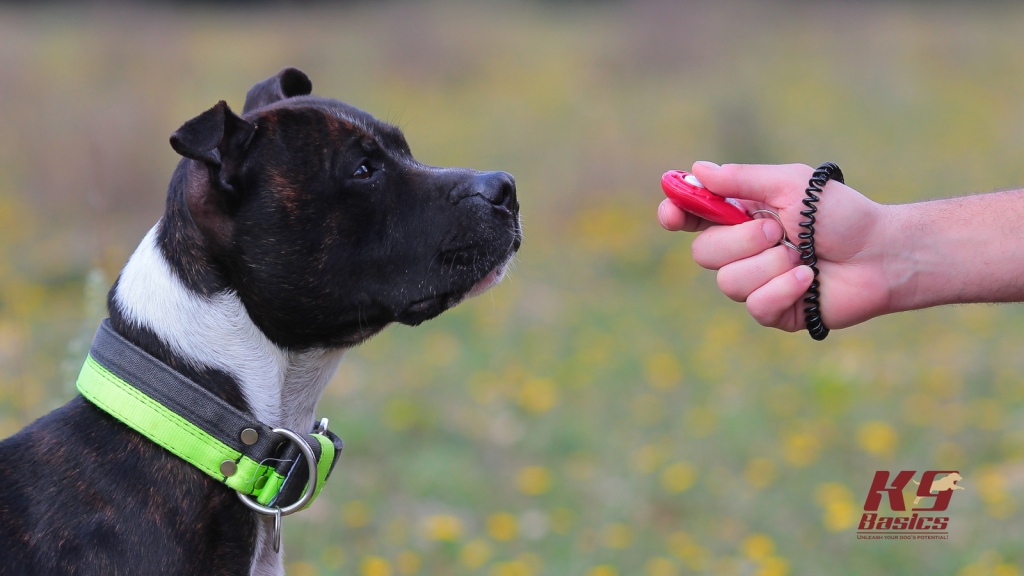
At the heart of clicker training lies the principle of operant conditioning, a concept pioneered by renowned behaviorist B.F. Skinner. The technique involves using a small handheld device that emits a distinct clicking sound. This sound acts as a marker, indicating to your pet that they have performed the desired behavior at that precise moment. This immediate feedback is invaluable in shaping their actions.
Benefits of Clicker Training
The advantages of using the clicker training approach are numerous and noteworthy. For starters, immediate feedback helps pets understand quickly what specific action earned them a reward, whether it’s a treat, praise, or playtime. For instance, if you’re teaching your dog to sit, the click sound immediately follows the action, making it clear that sitting is what led to the reward.
Moreover, clear communication is another significant benefit of this training method. The clicker eliminates confusion often associated with verbal commands. Instead of relying solely on words, your pet learns to associate the sound of the clicker with positive actions. This clarity can be particularly useful in noisy environments where verbal commands may go unheard.
Importantly, clicker training emphasizes positive reinforcement. This method focuses on rewarding good behavior rather than punishing mistakes. When your pet successfully performs a trick or follows a command, they are rewarded, reinforcing that behavior. For example, when teaching a cat to jump through a hoop, every successful attempt followed by a click and a treat encourages them to keep trying. This positive approach builds trust and makes the training process enjoyable for both the pet and the owner.
Training Examples and Versatility
Clicker training is versatile and can be applied to a wide range of behaviors across various species of pets. Familiar commands you can teach using this technique include:
- Sit: A fundamental command with practical applications during walks or interactions with visitors.
- Stay: Essential for safety, this command helps keep your pet grounded when necessary.
- Come when called: Crucial for off-leash adventures or simply when you want your pet to return to you.
- Tricks like roll over or shake: Great for mental stimulation and fun bonding moments.
Regardless of whether you own a dog, cat, or even a bird, embracing clicker training can unlock a fascinating world of communication that transcends simple commands. As you embark on this training journey, you will not only teach your pet valuable skills but also cultivate a rich and rewarding relationship that thrives on understanding and affection.
LEARN MORE: Click here for effective training techniques
How Clicker Training Works
Understanding how clicker training works is essential for pet owners who wish to implement this method successfully. The process begins with the simple association of the click sound with a desired behavior. The initial step involves “charging the clicker”—making sure your pet recognizes that the sound of the click will always precede a reward. To do this, click when your pet is performing any action you want to encourage and immediately follow it with a treat. Over time, they will learn that the click signals a positive outcome.
This associational learning is crucial, as it establishes a direct correlation between the behavior and the reward. Rather than simply hearing a command like “sit” and then waiting for a treat to arrive, your pet becomes engaged in a dynamic interaction. They learn that their immediate actions lead to timely rewards, which can propel their progress significantly faster compared to traditional training methods.
Getting Started with Clicker Training
Once a solid connection is made between the clicker and rewards, you can start introducing specific commands. Here are some steps to seamlessly begin your clicker training journey:
- Choose a quiet location: Start training in a distraction-free environment to maintain your pet’s focus on the task at hand.
- Select a comfortable clicker: Find a clicker that fits well in your hand and produces a clear, distinct sound easily recognizable by your pet.
- Keep training sessions short: Engage in brief, frequent sessions for about 5-10 minutes. This prevents boredom and keeps your pet eager to learn.
- Be patient and consistent: Consistency is key—make sure to click and reward every time your pet successfully completes the desired behavior. Gradually, you can begin to phase out the treats while still clicking for reinforcement.
Understanding your pet’s personality is also integral to effective training. Some animals may be food-driven, making treats highly motivating, while others may respond better to playtime or praise. Tailoring your approach will facilitate a more engaging experience for your pet, pushing them toward success.
Common Missteps to Avoid
While clicker training has shown overwhelming success among pet owners, there are common pitfalls to watch for when implementing this method. These might include:
- Inconsistent clicking: Failing to click consistently can confuse your pet, making it essential to remember that each click must always be followed by a reward.
- Over-clicking: Clicking for actions that are not fully formed can lead to unintended behaviors being reinforced. Always wait for the behavior to be clearly completed before clicking.
- Skipping the charge phase: Neglecting to properly associate the click sound with a reward can hinder the effectiveness of the training.
By steering clear of these missteps, you ensure a smoother training process that strengthens communication and deepens the bond between you and your pet. Through diligent practice, patience, and understanding, both you and your furry friend can experience the joy of effective communication, paving the way for an enriched relationship built on trust and collaboration.
| Advantage | Description |
|---|---|
| Positive Reinforcement | Clicker training utilizes positive reinforcement to encourage desired behaviors, making training a rewarding experience for your pet. |
| Clear Communication | By associating the click sound with specific actions, pets clearly understand what is expected of them, enhancing mutual understanding. |
| Versatility | Clicker training can be applied to a variety of behaviors, from basic obedience to more complex tricks, making it an adaptable method. |
| Strengthening Bonds | Training sessions can deepen the bond between pet and owner, fostering a strong relationship based on trust and cooperation. |
| Encouraging Mental Stimulation | Engaging in clicker training provides mental enrichment, keeping your pet’s mind active and healthy. |
Clicker training has emerged as a revolutionary technique, enhancing communication channels between pet owners and their beloved animals. By tapping into the psychology of pets, this training fosters an environment where they feel empowered and understood. As you explore these advantages, you’ll uncover the potential this method holds in transforming typical training routines into dynamic interactions that promote learning and growth for both pets and their humans. Discover how to implement these techniques effectively and witness firsthand the remarkable changes they can bring about in your pet’s behavior and your relationship.
DIVE DEEPER: Click here to learn more about clicker training
Advanced Techniques in Clicker Training
Once you have established a foundational relationship with your pet through the basics of clicker training, it’s time to explore advanced techniques that can further enhance communication and learning. These techniques not only build upon the skills already introduced but also expand your pet’s repertoire of behaviors, leading to a more enriching experience for both of you.
Shaping Behavior
One of the most effective advanced techniques in clicker training is the concept of shaping. This method involves breaking down complex behaviors into smaller, manageable steps. For example, if you want to teach your dog to roll over, instead of waiting for the full behavior to occur, you can reward smaller actions that lead up to it.
- Start with having your dog lie down: Click and treat every time your pet moves closer to lying down if it’s not performing the action already.
- Encourage movement: Once your dog is consistently lying down, click and treat as it shifts its body weight to one side as a precursor to rolling over.
- Gradually reinforce the final action: Continue to reward movements that resemble rolling and eventually, your dog will understand that you want it to complete the roll.
This technique not only reinforces positive behavior but also encourages your pet to think critically and engage with the training process more thoroughly. As pets begin to understand that they can influence the outcome through their actions, they become more enthusiastic learners.
Utilizing Distraction Training
An essential part of communication is the ability to maintain focus even in the face of distractions. Distraction training is vital for pets that may struggle with maintaining attention. Just as humans practice mindfulness amidst distractions, your pet can benefit from focused training sessions.
- Introduce mild distractions gradually: Begin in a controlled environment and slowly add in other sounds or movements to see how your pet reacts while performing a command.
- Increase the challenge: Raise the level of distraction gradually, whether through noises or other animals, and click for maintaining focus on your command.
- Consistency is key: Always reward your pet for focusing on you and the task at hand, regardless of the distractions present.
By mastering distraction training, you not only enhance the bond with your pet but also arm them with skills that promote better behavior in various environments, whether at home, in the park, or during outings.
Incorporating Life Skills
Another layer of clicker training involves teaching your pet essential life skills that can improve their communicative abilities and overall behavior. Skills such as walking politely on a leash, staying calm in new situations, and even basic house manners are vital components of your pet’s training regimen.
Through clicker training, you can instill these crucial behaviors:
- Leash manners: Click and treat when your dog walks calmly beside you without pulling.
- Cue for calmness: If your pet reacts with anxiety to new inhabitants in the daycare or at home, use the clicker to indicate calm behavior.
- Bathroom habits: Click when your pet goes to the designated area, reinforcing its understanding of acceptable bathroom etiquette.
By integrating life skills into training, your fur companion will not only learn specific commands but also become well-adjusted in various settings. This holistic approach significantly elevates the communication between you and your pet, enhancing the richness of your shared lives.
As you continue on this journey of clicker training, remember that the goal is to create an open line of communication through positive reinforcement, unwavering patience, and consistent practice. The result is a strengthened bond, better behavior, and an engaged partner ready to explore the world by your side.
LEARN MORE: Click here for valuable tips
Conclusion
In today’s increasingly busy world, the need for effective communication with our beloved pets has never been more important. Clicker training methods offer a unique, positive approach that transcends traditional training techniques by fostering a deeper understanding between you and your animal companion. By utilizing the principles of positive reinforcement, you not only teach your pet commands and tricks but also encourage them to express themselves, engage critically, and develop essential life skills.
As we explored throughout the article, advancing from basic techniques to methods like shaping behavior and distraction training enhances your pet’s ability to focus and adapt in various environments. These approaches, when combined with the teaching of crucial life skills, result in a well-rounded, confident pet who can thrive in different situations.
Ultimately, the journey of clicker training is about much more than commands; it is an opportunity to form an enriching connection that can lead to a happy and harmonious coexistence. The bond created through shared experiences, patience, and consistent practice lays the foundation for a rewarding relationship. By embracing these methods, you are not just a trainer but a partner, communicating with your pet in ways they can understand and appreciate. As you continue your training journey, the heart of it lies in the joy of mutual understanding and the thrill of discovering new avenues of communication with your furry friend. So take the plunge, click your way to better communication, and experience the profound benefits that await both you and your pet.