Agility Training: How to Make Your Dog a High-Level Competitor
Understanding Agility Training
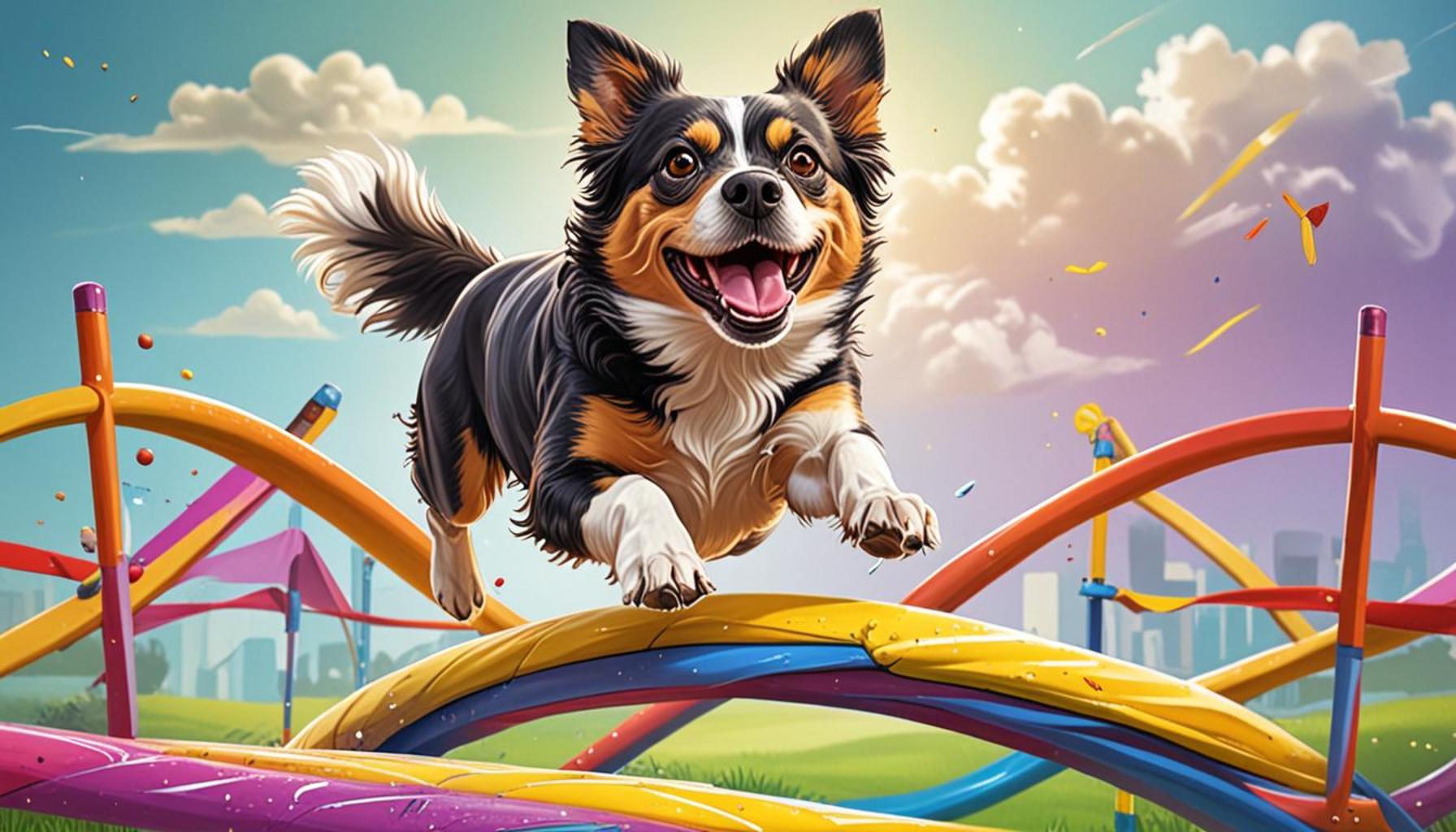
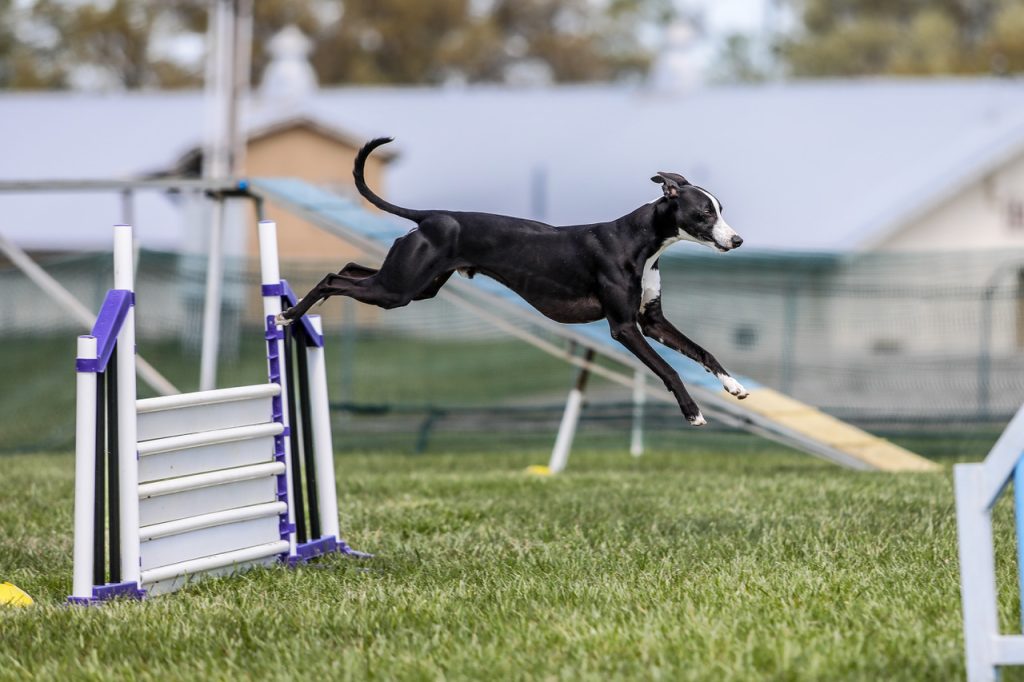
Agility training is not just about navigating obstacles; it’s a multidimensional activity that hones various skills in your dog while providing immense enjoyment for both of you. Many dog owners are drawn to this exhilarating sport, enchanted by the idea of their pooch flying over jumps, weaving through poles, and gliding through tunnels with precision and speed. Agility training offers a structured pathway to enhance these capabilities, transforming ordinary walks into extraordinary adventures.
Why Choose Agility Training?
While many pet owners appreciate basic obedience training, the allure of agility goes far deeper. Here are several key benefits that stand out:
- Bonding Experience: Engaging in agility training solidifies trust between you and your pet. As you work together to conquer obstacles, you enhance communication, develop mutual respect, and create lifelong memories.
- Physical Fitness: An active lifestyle keeps dogs healthy, and agility training provides a high-energy workout. It’s not only about running; the agility course includes jumping, climbing, and crawling, targeting different muscle groups to ensure overall fitness.
- Mental Stimulation: Dogs require mental engagement just as much as physical exercise. The challenges inherent in agility training stimulate problem-solving skills and build focus, making your pet a more rounded individual.
From Basics to Brilliance
Starting with basic commands—like sit, stay, and heel—is crucial, as they create a foundation for more complex maneuvers. As your dog masters these fundamentals, introduce agility equipment such as tunnels, jumps, and weave poles. Each piece of equipment targets specific skills, from developing speed to enhancing coordination.
One of the best things about agility training is that it is suitable for various dog breeds and sizes. Whether you own a spirited Border Collie, a lively Jack Russell Terrier, or even a Golden Retriever, the principles of training can be adapted to fit your dog’s individual abilities and personality.
Expert Tips for Success
To maximize your dog’s performance in agility training, focus on the following:
- Consistency: Training should be regular to reinforce skills. Short, focused sessions can be more effective than occasional long practices.
- Nutritional Needs: A balanced diet rich in protein and essential vitamins supports your dog’s energy needs. Consider consulting your vet to tailor a diet that fuels their agility activities.
- Physical Conditioning: Engage your dog in cross-training and regular exercises that promote strength, flexibility, and endurance. Activities like swimming or fetch can complement agility training beautifully.
The world of canine agility training is a captivating journey filled with excitement and discovery. As you dive deeper into this realm, you’ll find not only your dog’s competitive edge sharpened but also a stronger bond that will last a lifetime. So why wait? Equip yourself with these insights and start transforming your beloved pet into a remarkable competitor now!
LEARN MORE: Click here for essential pet care tips
Establishing a Solid Foundation
Before embarking on the thrilling path of agility training, it is essential to build a strong foundation. This entails not only teaching basic commands but also understanding your dog’s unique personality and energy levels. Identifying these traits will help you tailor your training methods effectively, ensuring that your dog is engaged and eager to participate. As you begin, remember that patience is key; every dog learns at their own pace, and rushing the process can lead to frustration for both you and your pup.
Basic Commands Are a Must
Every good agility competitor starts with a command repertoire that includes essentials like sit, stay, come, and heel. These commands ensure that your dog follows your lead, which is vital when navigating an agility course. Practicing these commands consistently reinforces your dog’s understanding of your expectations and lays the groundwork for more complex tasks. Make training sessions enjoyable by incorporating play and rewards, which motivate your furry friend and build their confidence.
Gradually Introducing Agility Equipment
Once your dog demonstrates proficiency in basic commands, it’s time to introduce them to agility equipment. The initial exposure to items such as jumps, tunnels, and weave poles should be approached with care to avoid overwhelming your dog. Start with one piece of equipment at a time, demonstrating how to navigate it before guiding your dog through the process. Rewarding them with treats and praise will encourage a positive association with the equipment, fostering enthusiasm as they progress to more challenging tasks.
Different breeds react to agility equipment in unique ways; some may take to it immediately, while others might need a bit more coaxing. For instance, agility training often highlights the spirited athleticism of breeds like the Border Collie or Australian Shepherd, but it can also be adapted for less commonly seen contenders such as the Bulldog. The key is understanding your dog’s individual temperament and tailoring your approach accordingly.
Creating a Safe Training Environment
As you introduce agility training into your dog’s routine, safety must be a top priority. Establish a dedicated space for practice, whether it’s in your backyard or at a local training facility. Make sure the area is free of hazards, such as sharp objects or uneven terrain, and invest in quality equipment designed for agility training. Using appropriate gear not only helps prevent injuries but also enhances your dog’s performance by providing them with the right tools to succeed.
Key Elements to Keep in Mind
To optimize your training sessions and ensure meaningful progress, consider the following elements:
- Short and Effective Sessions: Dogs have limited attention spans; keep training sessions to around 15-20 minutes to maintain focus and enthusiasm.
- Positive Reinforcement: Always reward successful attempts with praise or treats. This encourages your dog to seek out the experience again.
- Variety in Training: Incorporate different equipment and techniques to keep your dog engaged and excited. Switching things up can prevent boredom and foster a spirit of adventure.
With a strong foundation established through structured training and a safe environment, you’re well on your way to transforming your dog into a high-level competitor. As you venture further into the world of agility training, you’ll witness your dog’s skills evolve, ultimately cultivating a majestic team built on trust and camaraderie.
Essential Elements of Effective Agility Training
When embarking on the journey to make your dog a high-level competitor in agility training, it’s essential to understand the fundamental elements that contribute to successful outcomes. These elements incorporate physical conditioning, mental stimulation, and a strong bond between handler and dog, all of which play critical roles in training effectiveness.
1. Physical Conditioning
Agility training places rigorous demands on your dog’s physical abilities. To excel, dogs must develop strength, endurance, and flexibility. Incorporating a structured fitness regime that includes exercises such as jogging, swimming, and structured play is vital. Dogs require the agility and speed to navigate the course efficiently, making it necessary to engage in regular strength training to build muscle and stamina.
2. Mental Stimulation
Agility is not just about physical prowess; it also heavily relies on cognitive skills. Dogs must learn to interpret commands quickly and accurately while maintaining focus amidst distractions. Incorporate puzzle toys and scent work into your training regimen to keep your dog’s mind sharp. Challenge your dog with new commands and tricks to foster learning and improve their overall performance in agility courses.
3. Positive Reinforcement
Training should always be a positive experience. Using constructive reinforcement, such as treats, praise, or toys, can motivate your dog and build their confidence. Establishing rewards will help keep your dog engaged and eager to learn. As the bond between you and your dog strengthens, mutual trust will flourish, paving the way for more effective learning and improved performance.
4. Consistency is Key
Make sure to maintain a consistent training schedule. Regular practice is essential for reinforcing learned skills. Consistency not only helps your dog remember the commands but also builds a robust work ethic. Vary the course and include new elements to keep the training interesting for your dog.
Creating a Training Plan
Developing a structured training plan based on your dog’s specific needs is crucial. Define short-term and long-term goals, ensuring they are achievable and measurable. Incorporate different types of courses that replicate typical agility competitions, allowing your dog to get situated in various environments. Remember to gradually increase the difficulty of the courses as your dog progresses, ensuring that they remain challenged but not overwhelmed. The ultimate aim is to prepare your dog for competitions confidently and proficiently.Preparing a high-level competitor requires a comprehensive understanding of agility training techniques combined with a nurturing approach that promotes both physical and mental well-being. By focusing on these essential elements and creating a structured training plan, you are on the right path to success in the exciting world of dog agility competition.
DISCOVER MORE: Click here to dive into the emotional journey of pet adoption
Building Skills for Success
With a solid foundation in basic commands and a safe training environment established, it’s time to shift your focus toward honing the specific skills necessary for agility competition. This phase involves more than just repetition; it’s about building a finely tuned partnership with your dog based on communication, timing, and trust.
Improving Handling Techniques
Effective handling is crucial in agility training. This consists of the way you direct your dog around the course. Learn different handling methods, such as the front cross and the rear cross, which help in efficiently maneuvering your dog through the obstacles. Each technique supports the flow of movement and can significantly reduce the time it takes to complete an agility course. Practicing these maneuvers will also strengthen your bond as you work in unison towards a shared goal.
Additionally, incorporating body language is essential. Dogs are often adept at reading their owner’s position and movements. Use your body not only to signal commands but also to guide your dog’s direction. For example, leaning slightly in a certain way or using your arms to create clear visual cues can alert your dog effectively to their next move.
Incorporating Advanced Obstacles
After mastering the basic obstacles, it’s time to introduce more complex elements into your training regimen. Equipment like the A-frame, teeter-totter, and dogwalk challenge your dog’s agility, coordination, and confidence. Progressively increasing the difficulty of these components will prepare your dog for competition-level demands.
Always introduce new equipment gradually. Allow your dog to explore it at their own pace and celebrate their achievements with positive reinforcement. Observing how your dog interacts with each obstacle can provide valuable insights into their strengths and areas that may need additional support.
Fine-Tuning Speed and Agility
Speed is a crucial factor in agility competitions, so working on your dog’s speed is essential. Incorporate interval training and practice sprinting towards and between obstacles to build not only speed but also the ability to maintain focus amidst excitement. This can be achieved using games that promote quick movements, like chase games or using a lure—a favorite toy or treat that can help spark enthusiasm for high-speed runs.
Moreover, teaching your dog to execute commands swiftly is equally vital. Utilize a stopwatch to time your runs and set achievable goals for improvement. Tracking progress not only provides motivation but can also be a fun way to engage both you and your dog in the training process.
Mental Stimulation Is Key
Agility training is not purely physical; a well-rounded competitor needs to be mentally agile as well. Engage your dog with puzzle toys and challenges that require problem-solving skills to keep their mind sharp. Spend some time working on obedience exercises that involve agility equipment, which will enhance their ability to think on their feet during competition.
Additionally, consider mixing up your training routine by adding foundational skills, such as tracking or obedience exercises. The more mentally stimulated your dog is, the better equipped they will be to tackle unforeseen obstacles and distractions on the agility course.
As your dog develops their skills in handling, advanced equipment, speed, and mental challenge, they will be well on their way to becoming a high-level competitor ready to tackle any agility course. This stage is not only about developing physical prowess but also about deepening the understanding and connection between you and your canine partner, leading to greater successes ahead.
LEARN MORE: Click here for valuable tips
Conclusion: Elevate Your Dog’s Agility Journey
In conclusion, agility training presents a rewarding opportunity to transform your dog into a high-level competitor equipped to tackle any obstacle course. Through a combination of effective handling techniques, advanced obstacle challenges, and the enhancement of both speed and mental agility, you will not only improve your dog’s performance but also strengthen the bond between you. As you navigate this exciting journey, remember that success is a product of patience and consistency.
Engaging regularly in training activities fosters a collaborative atmosphere where both you and your dog can thrive. It is vital to embrace flexibility in your training regimen, adapting to your dog’s unique strengths and areas for improvement. Emphasizing positive reinforcement can further solidify training, ensuring that your dog remains enthusiastic and motivated throughout the process.
As you aim for agility trials and competitions, don’t overlook the significance of mental stimulation. Incorporating fun and varied exercises helps keep your canine companion sharp and ready for the unexpected challenges of competition. Remember, agility training is a continuous journey that goes beyond physical workouts; it’s about nurturing a partnership built on trust and communication.
By following these outlined strategies and fostering a supportive environment, you will unlock your dog’s full potential, making agility training a fulfilling and exhilarating experience for both of you. Whether you envision competing at a local level or dreaming of national recognition, the journey promises to be rewarding and transformative.