
Importance of Disease Prevention in Pets: Vaccination and Regular Care
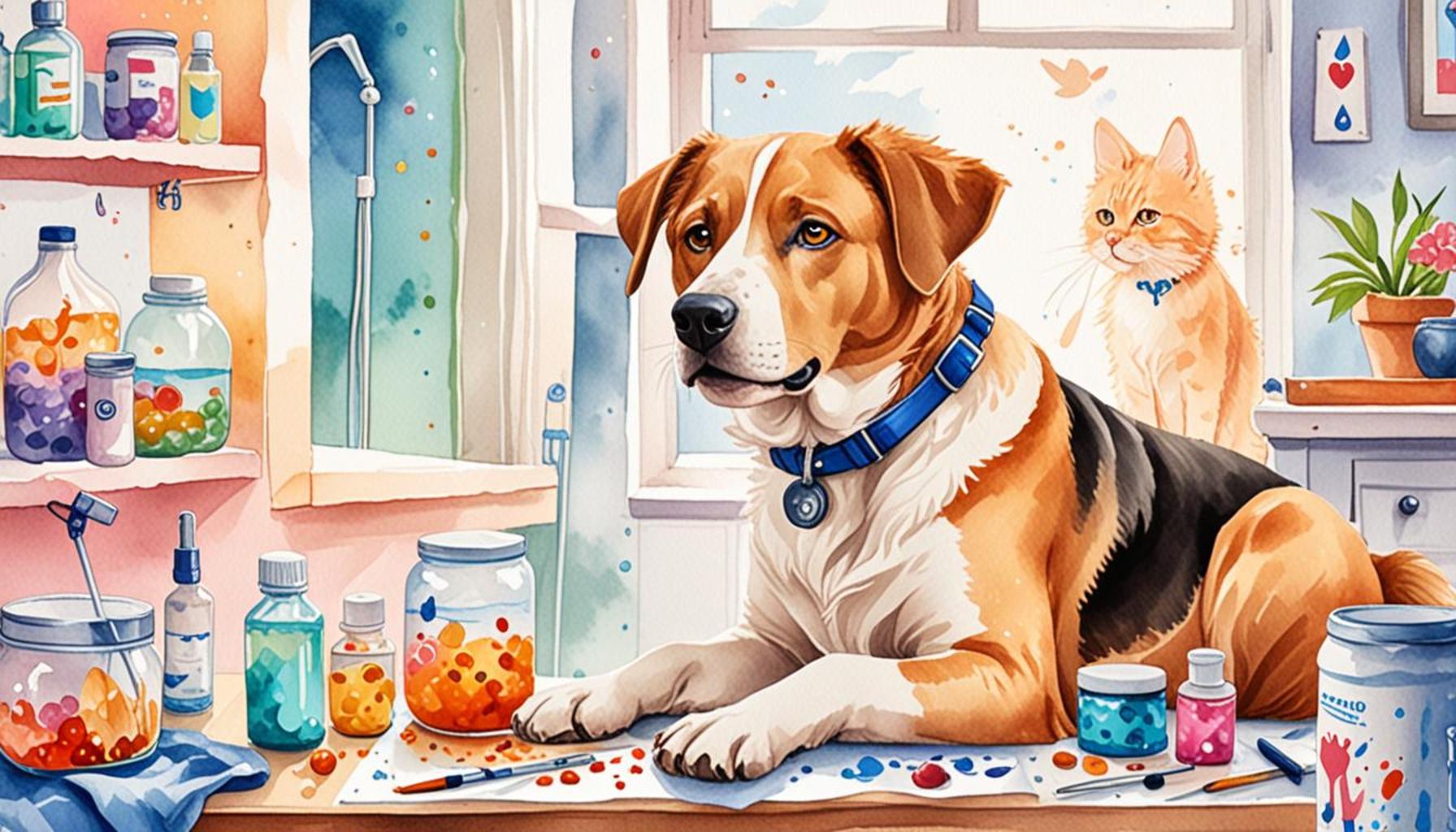
The Significance of Preventive Health for Our Furry Friends
Understanding the importance of disease prevention in pets is crucial for every pet owner. Vaccination and regular care are not just options; they are essential components of responsible pet ownership. By prioritizing these health measures, you can significantly enhance the quality of life for your beloved animals. This proactive approach is not only about extending their lives but also about enriching the time you spend together, filled with vitality and companionship.
Consider the following benefits of proactive health care for pets:
- Prevents Serious Illnesses: Vaccines guard against fatal diseases such as rabies, parvovirus, and distemper. For example, the rabies vaccine is a legal requirement in many states and protects not just pets but humans from a potentially fatal virus. Parvovirus, particularly prevalent among puppies, can lead to severe gastrointestinal issues; vaccination is the best defense against this debilitating disease.
- Promotes Longer Lifespans: Regular check-ups can identify health issues early, allowing for timely interventions. According to statistics from the Veterinary Medical Association, pets receiving annual wellness exams live up to 2.5 years longer than those who do not. During these visits, veterinarians can detect early signs of conditions like diabetes or kidney disease, which can significantly affect a pet’s quality of life if left unaddressed.
- Enhances Quality of Life: Healthy pets experience fewer ailments, resulting in more joy and activity. Regular exercise, a balanced diet, and proper dental care are integral to maintaining health, yet they often start with the foundation laid by preventive care. Engaging in playful activities or simply enjoying time with a vibrant, active pet leads to a more fulfilling companionship for both pet and owner.
Moreover, the American Veterinary Medical Association emphasizes that vaccination not only protects individual pets but also contributes to public health by controlling zoonotic diseases, which are diseases that can be transmitted from animals to humans. Common zoonotic diseases include leptospirosis and toxoplasmosis, both of which can have serious health implications for humans, especially those with weakened immune systems. Regular veterinary visits ensure pets receive personalized attention, dietary advice, and behavioral assessments, fostering a comprehensive approach to pet health.
With the right care, pet owners can prevent the burden of illness and elevate the happiness of their companions while addressing health concerns that could affect their furry friend’s future. By fostering a deeper understanding of pet health, you will discover how a commitment to disease prevention reaps rewards that extend far beyond the clinic, promoting a long-lasting, joyful bond between you and your pet. Taking the time to invest in preventive care today can yield countless cherished moments tomorrow.
DIVE DEEPER: Click here to learn more about the pet adoption process

Vaccination: The First Line of Defence
Vaccination is one of the most critical aspects of disease prevention in pets. Pet owners often overlook this simple yet profound measure that can prevent numerous debilitating diseases. Vaccines work by stimulating the pet’s immune system to recognize and fight off specific pathogens, ensuring that they do not succumb to serious illnesses. The benefits of timely vaccinations are manifold and can lead to a healthier, happier companion.
One of the cornerstone vaccines is the core combination vaccine for dogs, known as the DHPP vaccine, which protects against diseases such as distemper, hepatitis, parvovirus, and parainfluenza. For cats, the FVRCP vaccine offers protection against feline viral rhinotracheitis, calicivirus, and panleukopenia. According to the American Veterinary Medical Association (AVMA), these vaccines are crucial for preventing life-threatening diseases that, without vaccination, could result in your pet’s untimely demise.
Understanding Vaccination Schedules
Pet vaccinations do not just end with a single administration; understanding vaccination schedules is vital for ensuring lifelong protection. Most puppies and kittens receive a series of vaccinations during their first few months of life. After that, routine boosters are necessary to maintain immunity as time progresses. Your veterinarian will provide a comprehensive immunization schedule tailored to your pet’s specific needs, taking into account their age, lifestyle, and potential exposure to diseases.
Moreover, some vaccines, such as the rabies vaccine, may require annual or triennial boosters due to legal requirements and the nature of the virus itself. Staying on top of vaccination schedules can significantly mitigate the risk of outbreaks in your community, as higher vaccination rates contribute to herd immunity, protecting those pets that may not be able to receive vaccines due to health issues.
The Role of Regular Veterinary Care
In addition to vaccinations, regular veterinary care plays a crucial role in disease prevention. Wellness examinations allow veterinarians to monitor your pet’s overall health, check for early signs of illness, and provide tailored advice on nutrition and lifestyle. These preventive check-ups are invaluable in avoiding larger health issues that can arise from neglecting routine care.
Veterinary professionals recommend that dogs and cats receive annual health check-ups, but your pet’s individual needs may necessitate more frequent visits. During these evaluations, a veterinarian can conduct important diagnostics, such as blood tests and physical examinations, helping catch issues before they escalate.
- Monitoring Weight and Diet: Obesity is an escalating health issue among pets, making it critical for regular weight assessments to ensure dietary recommendations are effective.
- Dental Health Assessments: Oral diseases can lead to more severe health concerns, including heart disease. Regular dental check-ups can prevent these issues.
- Parasite Control: Routine examinations can also identify and manage parasites such as fleas, ticks, or worms before they become a significant health threat.
By embracing a proactive approach through vaccinations and regular veterinary care, pet owners can create a robust shield against a myriad of health issues. This commitment not only protects your pet but fosters a long and rewarding companionship, filled with adventures and shared moments.
Understanding the Role of Vaccination in Disease Prevention
Vaccination is a crucial component of preventive healthcare for pets, effectively protecting them against a variety of diseases that can lead to severe health issues or even death. This proactive measure not only safeguards individual pets but also contributes significantly to public health by minimizing the risks of zoonotic diseases—those that can be transmitted from animals to humans. Core vaccines, such as rabies, parvovirus, and distemper, are considered fundamental for all pets as they combat some of the most dangerous pathogens. Additionally, non-core vaccines tailored to specific risks are available, allowing pet owners to make informed decisions based on their pet’s lifestyle and environmental exposure.Regular vaccinations need to be paired with comprehensive health check-ups at veterinary clinics. Such assessments allow veterinarians to detect health problems early, ensuring that pets receive timely treatments. This combined approach leads to better overall health outcomes, fostering a long and happy life. It is also essential to understand the difference between vaccines that require annual updates and those that may be effective for several years, as this can impact both the pet’s health and the owner’s budgeting for veterinary care.
Importance of Routine Care in Pets
Regular care extends beyond vaccinations; it encompasses a wide range of practices that are essential for maintaining a pet’s well-being. This includes routine physical examinations, dental check-ups, and preventive screenings for parasites. Engaging in regular health assessments promotes early detection of health issues such as obesity, dental disease, or even chronic conditions like diabetes. Moreover, dental health directly influences a pet’s quality of life and longevity, making it vital to integrate dental care into routine check-ups.Additionally, owners should stay informed about essential grooming practices. Regular brushing, bathing, and nail trims not only keep pets looking their best but also prevent health issues such as skin infections or overgrown nails, which can lead to pain and mobility issues. A consistent wellness plan that encompasses vaccination and comprehensive care is not only beneficial for the physical health of pets but also enhances emotional bonds between pets and their owners, fostering a happier and healthier environment.
| Category | Benefits |
|---|---|
| Vaccination | Prevents serious diseases and protects public health. |
| Routine Care | Promotes early detection of health issues and enhances overall wellness. |
By understanding the pivotal roles of vaccination and regular care, pet owners can make educated choices that not only ensure their pet’s health and safety but also enrich their lives. This article highlights the need for ongoing commitment to preventive care, inviting readers to delve deeper into the topic and prioritize their pets’ health as a fundamental aspect of responsible pet ownership.
DISCOVER MORE: Click here to learn about balanced nutrition for your pets
Preventive Care: More Than Just a Vet Visit
In the journey of maintaining your pet’s health, preventive care extends far beyond vaccinations and routine check-ups. Incorporating a holistic approach to your pet’s well-being is essential in safeguarding against diseases and fostering a longer life. This multifaceted strategy encompasses nutrition, exercise, behavioral health, and environmental safety, all of which play significant roles in preventing illnesses.
The Cornerstone of Nutrition
Nutrition is foundational in ensuring your pet’s long-term health. With the rising awareness around pet obesity, pet owners must take a vigilant stance on their companions’ dietary choices. A well-balanced diet, tailored to your pet’s specific age, breed, and health requirements, can prevent various diseases related to obesity, diabetes, and joint issues. The Association for Pet Obesity Prevention (APOP) estimates that approximately 59% of cats and 55% of dogs in the United States are overweight or obese. This alarming statistic highlights the need for pet owners to prioritize high-quality, nutrient-dense food that promotes healthy weight management.
- Life Stage Appropriateness: Puppies and kittens require diets rich in proteins and fats for growth, while seniors may need less calorie-dense food to manage their weight.
- Reading Labels: Familiarity with pet food labels is crucial to ensure that you are providing the best possible nutrition, focusing on high-quality sources of proteins.
- Hydration: Never underestimate the importance of hydration, as proper water intake is vital for kidney health and overall bodily functions.
The Importance of Regular Exercise
Regular physical activity is vital to maintaining a healthy weight and preventing boredom-related behavioral issues in pets. Engaging your dog in daily walks, fetch, or swimming not only promotes cardiovascular health but also serves as an opportunity to socialize with other pets, fostering mental well-being. Cats, too, benefit from active play. Interactive toys, climbing structures, and designated exercise time can help prevent obesity and provide essential stimulation.
Behavioral Health and Environmental Safety
Investing in your pet’s emotional and mental health is as crucial as tending to their physical well-being. Behavioral training and socialization reduce anxiety and aggression, resulting in happier pets. Additionally, keeping your home a safe environment can prevent accidents and illnesses. Here are a few key practices:
- Toxins and Hazards: Ensure household chemicals, plants, and foods toxic to pets, such as chocolate and grapes, are stored safely out of reach.
- Socialization: Providing your pet with opportunities to interact with other animals and humans builds confidence and reduces anxiety.
- Safe Spaces: Create safe zones or retreats where pets can escape for comfort, enhancing their sense of security.
In the quest for comprehensive disease prevention, pet owners must embrace a proactive mindset that encompasses more than just medical interventions. Establishing a routine that includes nutritious meals, physical activity, and emotional well-being serves to fortify your pet’s health. By taking these comprehensive steps, you pave the way for a thriving partnership with your furry family member while significantly reducing the likelihood of preventable illnesses.
DIVE DEEPER: Click here to learn more
Conclusion: A Commitment to Lifelong Health
In conclusion, the importance of disease prevention in pets cannot be overstated. A proactive approach encompassing vaccination and regular care not only guards against various health threats but also enhances the quality of life for our furry companions. Recognizing that pet health extends beyond annual vet visits is crucial; it involves a commitment to ongoing care that includes nutritional balance, regular exercise, and a nurturing environment.
As we discuss preventive measures, it is essential to acknowledge the critical role that pet owners play in their pets’ health journey. With alarming statistics highlighting the prevalence of obesity and preventable diseases in pets, more so than ever, adopting a holistic approach can lead to healthier, happier lives. By prioritizing behavioral health and ensuring safe environments, pet parents can significantly reduce the risk factors associated with various ailments.
Moreover, staying informed about the latest research in pet care can empower owners to make the right choices. From understanding dietary needs based on age and breed to recognizing the importance of socialization and mental stimulation, each decision contributes to a pet’s overall well-being. Thus, a collaborative effort involving veterinarians and pet owners will foster a culture of health that ensures our beloved pets thrive. Ultimately, committing to disease prevention is not just an option—it is a responsibility that all pet owners should embrace wholeheartedly.