
Obedience Training: Effective Methods for Cats and Their Owners
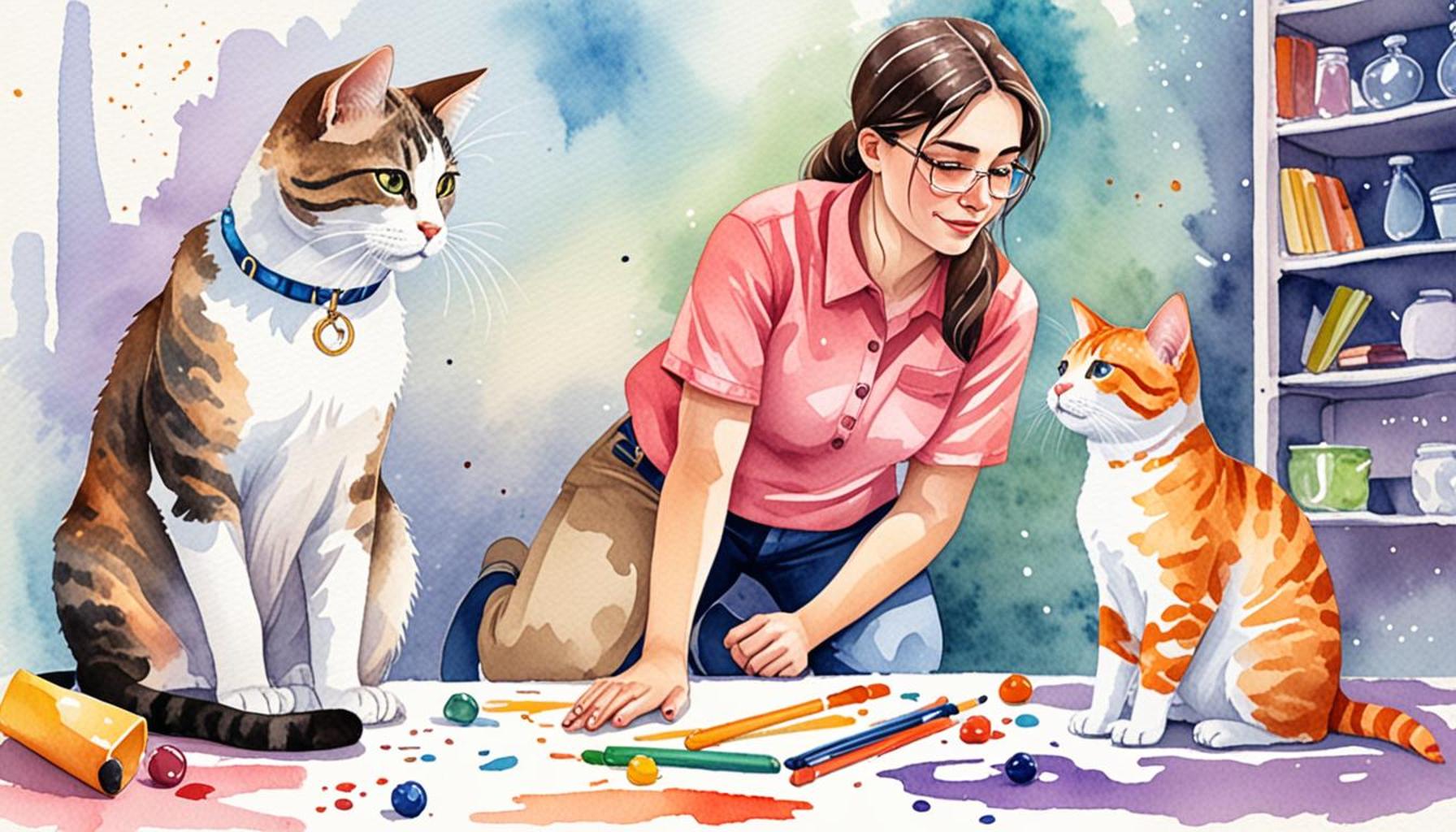
Unlocking the Secret to a Well-Behaved Cat
When we think of training pets, our minds often gravitate towards dogs, which are commonly associated with obedience commands. However, cats are far more trainable than many people realize, and implementing obedience training can yield surprising benefits. With a little patience and the right approach, you can nurture a more obedient and well-adjusted feline friend. Engaging in training not only resolves behavioral issues but also leads to a more harmonious living situation, fostering a delightful companionship.
The Importance of Obedience Training for Cats
While some cat owners may argue that training is unnecessary, the advantages are noteworthy and compelling:
- Improves Behavior: Training can significantly reduce common feline nuisances such as scratching furniture, counter-surfing, or knocking over household items. For instance, teaching your cat to stay off tables can save you from endless cleanups.
- Enhances Safety: Training your cat to come when called is not only practical, but it can also protect them from potential dangers. For example, ensuring your cat stays away from busy streets or open doors can prevent accidents and keep them safe.
- Strengthens Bond: Engaging in training sessions allows you to communicate effectively with your cat, creating a deeper emotional connection. This interaction can lead to a more trusting and affectionate relationship, enhancing your pet’s emotional fulfillment.
Methods to Explore
There are several techniques that have proven to be particularly effective for training cats:
- Clicker Training: This method utilizes a small handheld device that emits a sound to mark desired behaviors. For example, when your cat scratches the designated scratching post instead of your couch, immediately click the device and follow it up with a treat. This strengthens the connection between the behavior and the reward.
- Positive Reinforcement: Rewarding good behavior with treats, praise, or affection reinforces the behavior. If your cat learns to respond positively to commands like “sit” or “high five,” they will naturally be inclined to repeat those behaviors for the chance at a tasty bite.
- Target Training: This involves teaching your cat to touch or follow a specific object, using a stick or your finger. This method is particularly useful for getting your cat to come to you or move to a desired location, such as moving them into a carrier for a vet visit.
Embarking on the journey of obedience training not only benefits you with a more manageable cat but also empowers your feline companion in ways they never imagined. Stay tuned as we dive deeper into these methods and offer practical tips that will set you and your cat up for training success. With the right knowledge, your cat can thrive in an environment that promotes good behavior and mutual respect. Why not give it a try? A well-trained cat can lead to a happier household, with less stress for both you and your cherished pet.
DISCOVER MORE: Click here to learn about effective training strategies

Establishing a Foundation for Training
To ensure successful obedience training for your cat, it’s essential to establish a strong foundation. Every cat is unique, possessing distinct personalities and learning styles. Therefore, understanding your pet’s behavior is crucial in selecting the most effective training methods. Recognizing their natural instincts and inclinations allows you to tailor your approach and enhance the training experience.
Understanding Your Cat’s Behavior
Each cat has its own set of behaviors shaped by their environment and social interactions. Observing your feline friend will help you identify what motivates them and what might trigger undesirable actions. Here are some points to consider:
- Body Language: Cats communicate largely through body language. A relaxed posture indicates comfort, while a twitching tail may signify irritation or excitement. Pay attention to these signals to better understand when your cat is receptive to training.
- Playfulness: Most cats enjoy playtime, which can be an excellent opportunity to incorporate training. Utilize play to reinforce commands or entice your cat to follow your lead.
- Natural Curiosity: Cats are inherently curious creatures. Use their exploratory nature to your advantage by introducing new commands or tasks that intrigue them, such as teaching them to navigate through obstacles or engage with toys that require their attention.
Timing is Everything
One of the critical aspects of obedience training is timing. Cats respond better when the reward follows immediately after a desired behavior. This immediate reinforcement helps establish a clear connection between the action and the reward. If you delay the reward, your cat may become confused about what behavior you are reinforcing. Effective timing can significantly speed up the learning process.
Moreover, consider your cat’s energy levels throughout the day. Most cats are more receptive to training in the early morning or late evening when they are more active. Choosing the right time can make all the difference in enhancing their engagement and willingness to learn.
Creating a Positive Training Environment
Before beginning any training session, establish a calm and peaceful environment free from distractions. A quiet space where your cat feels comfortable and secure will improve focus and help them associate training with positive experiences. Here are some tips for setting up an ideal training environment:
- Choose a Quiet Area: Select a space in your home where external noises are minimized. This allows your cat to concentrate on your commands without feeling stressed.
- Keep Training Sessions Short: Cats have short attention spans; therefore, limit training sessions to about 5-10 minutes. Frequent, short intervals help reinforce learning without overwhelming your furry friend.
- Utilize Engaging Rewards: Use different treats or toys as rewards to keep your cat interested. A variety of rewards helps maintain their excitement and motivation to learn.
Establishing a strong foundation in obedience training for your cat begins with a thorough understanding of their behavior, effective timing, and creating a conducive environment. By nurturing these elements, you are well on your way to transforming your feline companion into a well-behaved member of the family.
| Training Method | Benefits |
|---|---|
| Clicker Training | Enhances communication between cats and owners, using a click sound to mark desired behaviors. |
| Positive Reinforcement | Encourages good behavior by rewarding cats with treats or praise, fostering a loving bond. |
| Lure Training | Guides cats through visual cues, making learning interactive and fun. |
| Socialization Techniques | Promotes confidence in cats by exposing them to different experiences and environments. |
Understanding these effective methods is crucial for both cat owners and their feline companions. As an owner, learning how to effectively engage with your cat and motivate them to perform desired behaviors is essential in creating a harmonious living environment. The importance of obedience training cannot be understated; it improves not just immediate compliance but also enhances the overall relationship, leading to a happier and healthier pet. Fundamentally, each training method mentioned above focuses on enhancing the human-animal bond, ensuring that those stubborn, independent felines can be trained while still respecting their unique personalities. Such insights into the training process can spark curiosity, prompting owners to explore these methods further, experiment at home, and discover the joy of a well-trained cat.
DISCOVER MORE: Click here to learn why regular check-ups are essential
Effective Techniques for Training Your Cat
Once you have established the foundation for training, it’s time to explore effective techniques that can help you and your cat thrive during the obedience training process. Employing the right methods can make the training experience more enjoyable and can lead to remarkable outcomes.
Clicker Training: A Proven Method
One of the highly recommended techniques is clicker training, a method rooted in positive reinforcement. This technique involves the use of a small device that makes a distinct sound, signaling to your cat that they have done something right. Here’s how to get started:
- Introducing the Clicker: Begin by clicking the device and immediately offering a treat. Repeat this multiple times until your cat associates the click sound with receiving a reward.
- Incorporating Commands: Once your cat understands that the click signifies a reward, start introducing basic commands like “sit” or “come.” Use the clicker to mark the behavior immediately and reward your cat with a treat.
- Gradual Progression: With continued practice, you can expand the complexity of commands. Progressively introduce new tricks, like “high five” or “roll over,” keeping the training sessions engaging and fun.
Clicker training not only strengthens the bond between you and your cat but also boosts their confidence, stimulating their intelligence and encouraging further learning.
Target Training: Making Learning Fun
Target training is another stimulating method that leverages your cat’s natural curiosity. Additionally, it serves as a practical way to guide your cat to perform desired actions. Follow these steps to implement target training:
- Select a Target: Choose an object like a stick or a finger as your target. It should be something that can easily capture your cat’s attention.
- Introduce the Target: Encourage your cat to interact with the target. When they touch or investigate it, click the clicker, and immediately reward them.
- Expanding the Task: Gradually teach your cat to follow the target by moving it away. Reward them each time they touch the target as they learn to follow your lead.
Target training can help teach your cat to move to different places or even assist with behavioral correction, such as guiding them away from areas you want them to avoid, like countertops.
Consistency and Patience: Key to Success
No matter which training techniques you choose, consistency and patience are essential components of the training process. Cats thrive on repetition and structure, so maintaining a regular training schedule can improve their learning retention. Following these practical tips can help:
- Set Routine Times: Train your cat at the same time each day to establish a routine. This familiarity will make your cat more eager to engage in training sessions.
- Acknowledge Incremental Progress: Recognize and celebrate small successes. This encourages your cat to continue to learn while building their confidence.
- Avoid Punishment: Negative reinforcement or punishment can damage the trust you have built with your cat. Instead, focus on redirecting undesirable behaviors with positive strategies.
Training your cat using clear commands and methodologies can reinforce their understanding, making them more likely to respond to your requests. By implementing the right techniques, you and your furry companion can embark on a rewarding learning journey together.
LEARN MORE: Click here to discover the role of socialization
Conclusion: Enriching the Bond Through Training
Obedience training for cats is an invaluable investment in the relationship between you and your feline friend. By utilizing effective methods such as clicker training and target training, not only can you foster a deeper connection, but you can also enhance your cat’s cognitive abilities. For example, clicker training involves associating a sound with a reward, thereby creating a positive experience that taps into your cat’s natural instincts. This approach can successfully teach cats to perform actions such as sitting on command or coming when called, making them more responsive and engaged in your daily interactions.
Moreover, the principles of consistency and patience play a crucial role in this learning process. Just like people, cats thrive in a predictable environment. Establishing a regular training schedule—whether it’s short sessions each day or a specific time for training each week—creates a routine that encourages your cat’s willingness to learn and respond to commands. Additionally, celebrating the small victories along the way, such as your cat successfully following a simple command for the first time, can build mutual confidence and lay the groundwork for further learning. These milestones reinforce not just compliance but the enrichment of your cat’s life, transforming your relationship through meaningful interactions.
As you embark on this training journey, consider diving into various resources that explore feline behavior and training strategies in depth. Books, online courses, and even local workshops can provide fantastic insights tailored to your cat’s specific needs. For instance, authors like Pam Johnson-Bennett offer relatable guidance based on extensive experience, while websites such as the ASPCA provide accessible advice tailored for pet owners. Such knowledge empowers you to adapt your approach according to your cat’s unique personality, improving your strategy and further strengthening your bond.
Ultimately, obedience training can transform your pet from a solitary creature into a fulfilling companion. The joy of a well-trained cat brings a sense of harmony to your home; it creates a dynamic where both you and your pet can thrive together. So whether your goal is to reduce behavioral issues or simply to enhance the quality of life for both of you, investing time in obedience training is a rewarding and enriching journey you’ll both cherish.