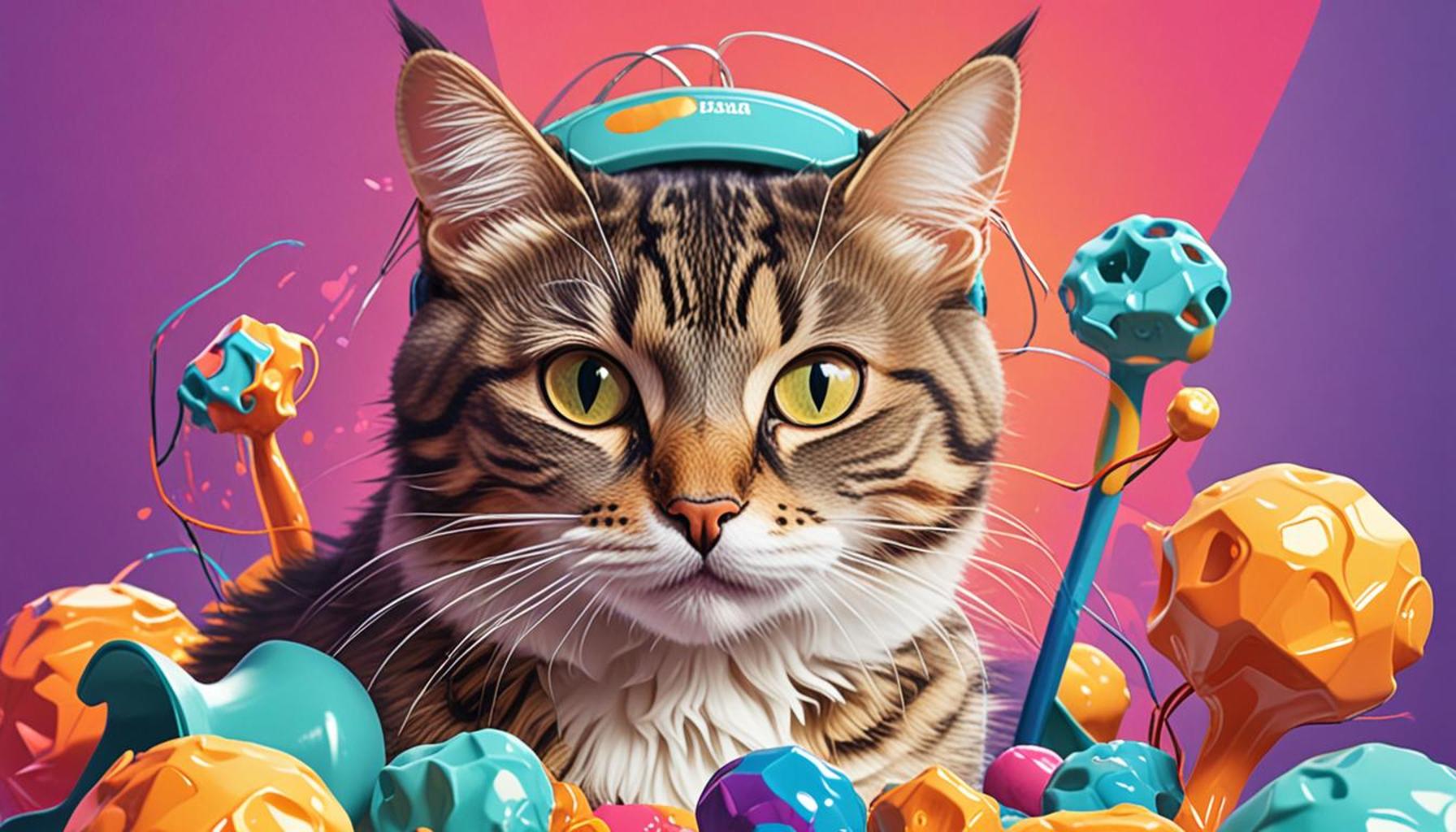
Natural Behavior Training: Integrating Animal Instincts and Skills in the Teaching Process

Explore the Power of Natural Behavior Training
The field of Natural Behavior Trainingcaptures an insightful perspective on how we can connect with animals, blending their innate instincts with structured learning approaches. This method does not merely focus on rote learning but instead emphasizes the importance of recognizing and embracing natural behaviors. By integrating these instinctive traits into our teaching methodologies, educators and animal enthusiasts alike can foster deeper, more meaningful interactions, ultimately enhancing the learning experience.
Why Consider Natural Behavior Training?
The benefits of Natural Behavior Training extend well beyond the classroom or training sessions, providing impactful advantages such as:
- Enhanced Engagement: Animals exhibit heightened responsiveness when their instinctual behaviors are acknowledged. For instance, a dog that has a natural propensity for fetching will engage far more enthusiastically in training sessions that revolve around his fetching instinct. This instinctual recognition facilitates a much more engaging training atmosphere.
- Improved Retention: Skills acquired through methods that appeal to an animal’s natural tendencies can significantly strengthen long-term memory retention. For example, a horse trained using its natural herd instincts may better remember and follow commands as the learning context is aligned with its social instincts.
- Holistic Understanding: This approach cultivates a deeper sense of empathy and respect for animals and their inherent behaviors. By understanding why animals act in certain ways, caregivers and educators can tailor their methods to align more closely with an animal’s needs, resulting in a more compassionate learning environment.
Moreover, integrating these instinctive behaviors into training transforms traditional methods into dynamic learning experiences. This evolution encourages curiosity and nurtures compassion among students, allowing them to engage with the material in a more meaningful way.
Discover the Technique
Understanding natural behaviors can significantly enhance your skills, whether you are an educator, a pet owner, or an animal behaviorist. For example, if you are training a service dog, recognizing its natural tendency to assist can facilitate quicker and more effective learning. By observing the instincts that drive behavior, you can create a more engaging atmosphere that resonates well with learners of all backgrounds.
Thus, diving into Natural Behavior Training reveals transformative techniques that can redefine educational boundaries and improve animal-human interactions. This methodology not only advocates for more effective learning but also promotes the importance of understanding and respecting the complex behaviors of the animal kingdom, leading to a richer, more interactive experience for everyone involved. By engaging in this journey, you will uncover how aligning teaching methods with natural instincts can revolutionize the way we educate and interact with animals, inspiring a new generation to appreciate the beauty of instinctual learning.
EXPLORE MORE: Click here to learn about effective puppy socialization techniques
Unlocking the Secrets of Animal Instincts
In the domain of Natural Behavior Training, understanding animal instincts serves as a cornerstone for developing effective teaching methodologies. Animals, much like humans, possess a unique set of instincts that influence their behavior throughout their lives. These instincts guide their actions, interactions, and responses to various stimuli, making it imperative for trainers and educators to recognize and harness these natural tendencies in the training process.
Identifying Key Instincts
A crucial first step in utilizing Natural Behavior Training is the identification of key instincts relevant to the animal in question. Each species has its own repertoire of instincts that dictate behavior patterns, and understanding these patterns can facilitate tailored training approaches. Here are some common instincts found in domestic animals:
- Prey Drive: This instinct is particularly prevalent in dogs and cats. Animals with high prey drive tend to exhibit behaviors related to hunting and chasing, making dynamic activities such as agility training engaging and productive.
- Social Hierarchy: Many animals, particularly those that live in groups such as horses and dogs, possess an understanding of social structures. Training that respects and aligns with the established social hierarchy can lead to a more harmonious learning environment.
- Territoriality: Animals often exhibit behaviors related to protecting their territory. Leveraging this instinct can aid in creating safe spaces for learning and curbing undesirable behaviors in environments frequented by multiple animals.
By aligning training sessions with these instinctual behaviors, trainers can accomplish more than just teaching commands or tasks; they can facilitate the natural development of skills that resonate with the animal’s inherent tendencies. For instance, a dog that naturally desires to herd will be more inclined to learn if herding activities are integrated into the training routine. This leads to increased motivation, as the training parallels its instinctual drives.
The Role of Environment
The environment in which training occurs also plays a vital role in Natural Behavior Training. Creating an atmosphere that reflects the animal’s natural habitat can significantly improve learning outcomes. For instance, training a bird in an open space that allows for flight mimics its natural conditions and fosters a sense of security and comfort. Similarly, ensuring dogs are trained in diverse settings helps them adapt to real-world scenarios that they may encounter.
Moreover, sufficiently stimulating environments can ignite curiosity, leading to a more engaged learning process. Enrichment activities, such as puzzle toys or scent trails, can enhance an animal’s natural aptitudes, making learning not only effective but enjoyable as well.
Ultimately, Natural Behavior Training invites a reevaluation of conventional training practices. By prioritizing animal instincts and creating an accommodating learning atmosphere, trainers can build deeper connections with animals, leading to not only enhanced skills but also a profound understanding and respect for their natural behaviors. As we explore the intertwining paths of instinct and training further, we unveil a world of possibilities that transform the educational landscape for both animals and humans alike.
| Advantage | Description |
|---|---|
| Enhanced Learning Retention | Incorporating natural instincts allows animals to better retain skills and knowledge. |
| Improved Behavioral Outcomes | Aligning training with instinctual behaviors leads to more effective and natural responses, enhancing overall behavior. |
The integration of animal instincts in the training process is not merely an educational strategy but a profound shift in how we perceive learning among animals. Utilizing techniques that reflect their natural behaviors ensures that animals engage more fully, leading to enhanced learning retention. This method is rooted in the understanding that animals, much like humans, respond better to materials that resonate with their instincts. Moreover, the focus on improved behavioral outcomes means not only are we teaching animals to obey commands but we are fostering a deeper understanding between trainer and animal. This approach minimizes stress and confusion, which often arise from traditional training methodologies. By respecting instinctive responses, trainers facilitate a more harmonious learning environment, leading to pronounced improvements in an animal’s conduct and interaction with their surroundings. Interested readers can delve deeper into the strategies that make this form of training not just beneficial but essential in modern educational practices for animals.
DON’T MISS: Click here to learn why socialization matters
Nurturing Skills through Positive Reinforcement
Another pivotal aspect of Natural Behavior Training revolves around the concept of positive reinforcement. This training approach is designed to reward desirable behaviors rather than simply correcting undesirable ones, aligning seamlessly with an animal’s natural instincts. By understanding what motivates different species, trainers can effectively utilize rewards that resonate with their instincts, creating a more engaging and productive learning experience.
The Power of Rewards
Rewards can take various forms, including treats, praise, or playtime. For example, dogs often respond well to food rewards, while horses might be motivated by a combination of verbal praise and physical affection. Identifying the most effective reward for each animal allows trainers to craft individualized learning experiences that cater to their unique instinctual drives. This personalized approach not only improves compliance but also deepens the bond between the trainer and the animal.
In practice, this means trainers can combine instinct-driven activities with preferred rewards to instill new skills effectively. A dog, for instance, could learn to fetch by associating the act of retrieving a ball with the reward of a treat or a game of tug-of-war. Similarly, dolphins in marine parks have successfully learned complex tricks by receiving fish as a reward. Each animal’s response to their environment is directly influenced by how these rewards are structured.
Building Trust through Consistency
Establishing trust is another cornerstone of Natural Behavior Training. Animals learn best in environments where they feel secure and understood. Consistent training methods that respect an animal’s instincts foster a sense of reliability and stability. For instance, when dogs learn to associate commands with actions they naturally partake in—like sitting or staying in response to instinctual pack behavior—they develop a sense of security in their relationship with their trainer.
Synchronous training, which incorporates pauses and breaks, mirrors the natural rhythm of animal interactions. Allowing pets to take breaks during training sessions can reduce stress and maintain their interest. This approach parallels how animals in the wild often vary their activities, resting between hunting or foraging to recharge. By mirroring these natural ebbs and flows, trainers set the stage for a more effective learning environment.
Technology’s Role in Natural Behavior Training
In recent years, technological advancements have also emerged as valuable tools within the realm of Natural Behavior Training. Tools such as smartphone applications and virtual reality can enhance the training experience. For instance, mobile apps may offer interactive behavioral tracking, helping trainers create personalized training programs tailored to an animal’s progress and specific instinctual needs. Virtual reality allows for immersive learning scenarios, giving animals the experience of navigating different environments, which reinforces their instinctual responses in a controlled setting.
Furthermore, integration of wearable technology, like GPS collars for dogs, enables trainers to monitor animals in real time, adapting their training techniques based on real-world data collected from the animal’s natural behaviors. This data-driven approach adds a layer of precision to Natural Behavior Training, ensuring techniques are continually refined to match the dynamic needs of both animals and their environments.
As trainers begin to weave these methodologies into their practices, the possibilities for effective Natural Behavior Training expand exponentially. By recognizing the intersection of instinctual behavior and positive reinforcement, educators not only enhance the skill sets of animals but also amplify the engaging, fulfilling aspects of the training process itself. This ensures that both animals and trainers collaboratively thrive in their journey of learning and bonding, highlighting the profound interconnectedness between instinct and education in the animal kingdom.
DISCOVER MORE: Click here to learn about preventive care
Conclusion: Embracing Natural Behavior Training for Deeper Connections
In conclusion, Natural Behavior Training represents a transformative approach that goes beyond traditional methods to foster genuine connections between animals and their trainers. By tapping into animal instincts and utilizing techniques such as positive reinforcement, trainers create a dynamic learning environment that respects and nurtures an animal’s natural behaviors. This method not only enhances skill acquisition but also enriches the emotional bond between species.
As we explored various facets, from the impactful use of rewards tailored to each animal’s unique instincts to the significance of consistency and trust in the training process, it is clear that this approach mirrors the natural world. With continuous advancements in technology, such as behavioral apps and personalized tracking tools, trainers are better equipped to tailor their methods to the evolving needs of the animals they work with, ensuring more effective and rewarding training experiences.
Ultimately, embracing Natural Behavior Training invites us to rethink conventional training paradigms, advocating a deeper understanding of the intricate relationship between instinct and skill. By investing in this holistic approach, trainers not only facilitate improved learning outcomes but also pave the way for mutual respect and joy in the collaborative journey of animal education. As we advance, let us remain curious and committed to integrating these principles, fostering a future where both animals and trainers thrive in harmony.