Training Techniques for Senior Animals: Adapting Methods for Senior Pets
Understanding the Unique Needs of Senior Pets
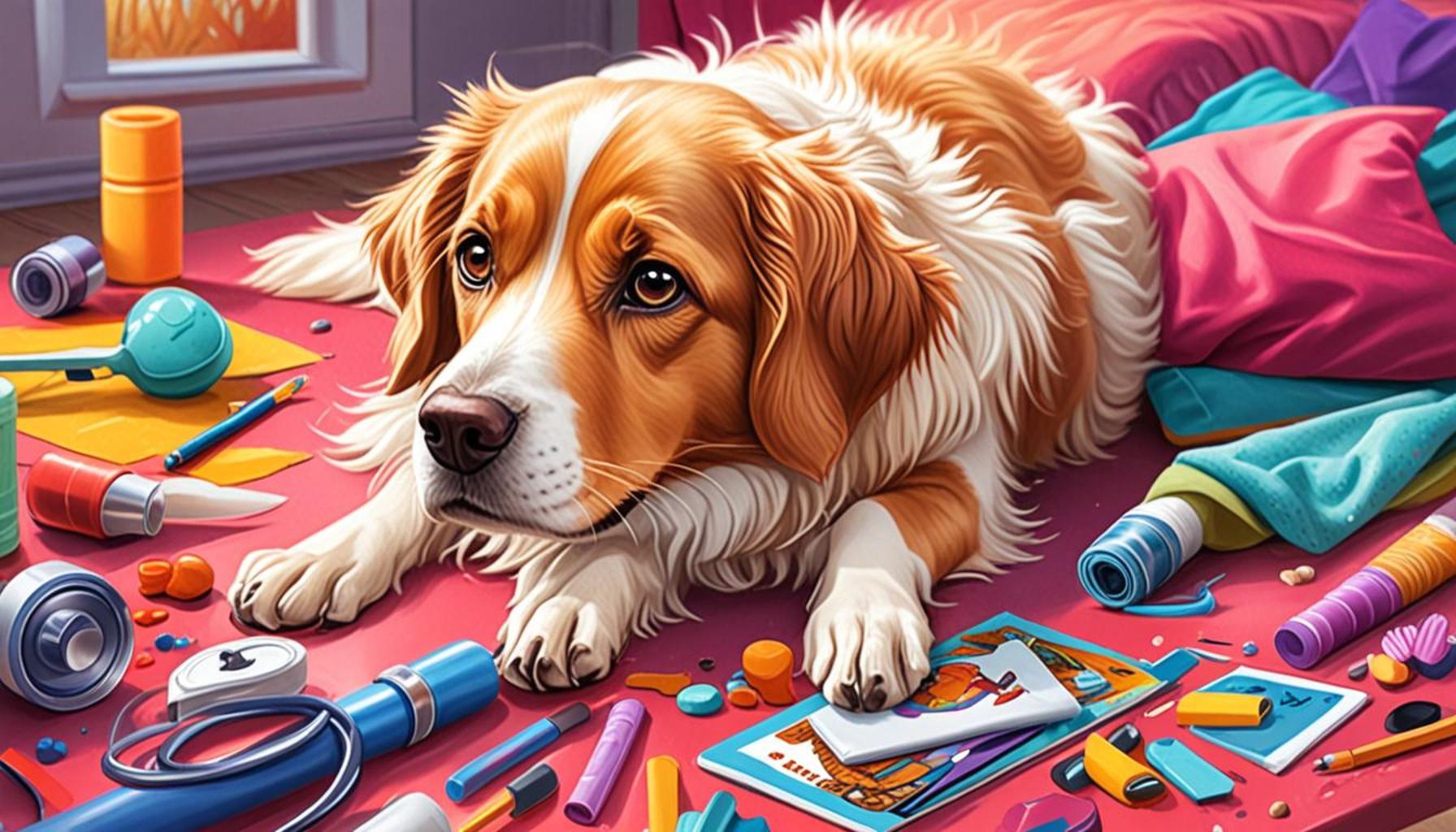
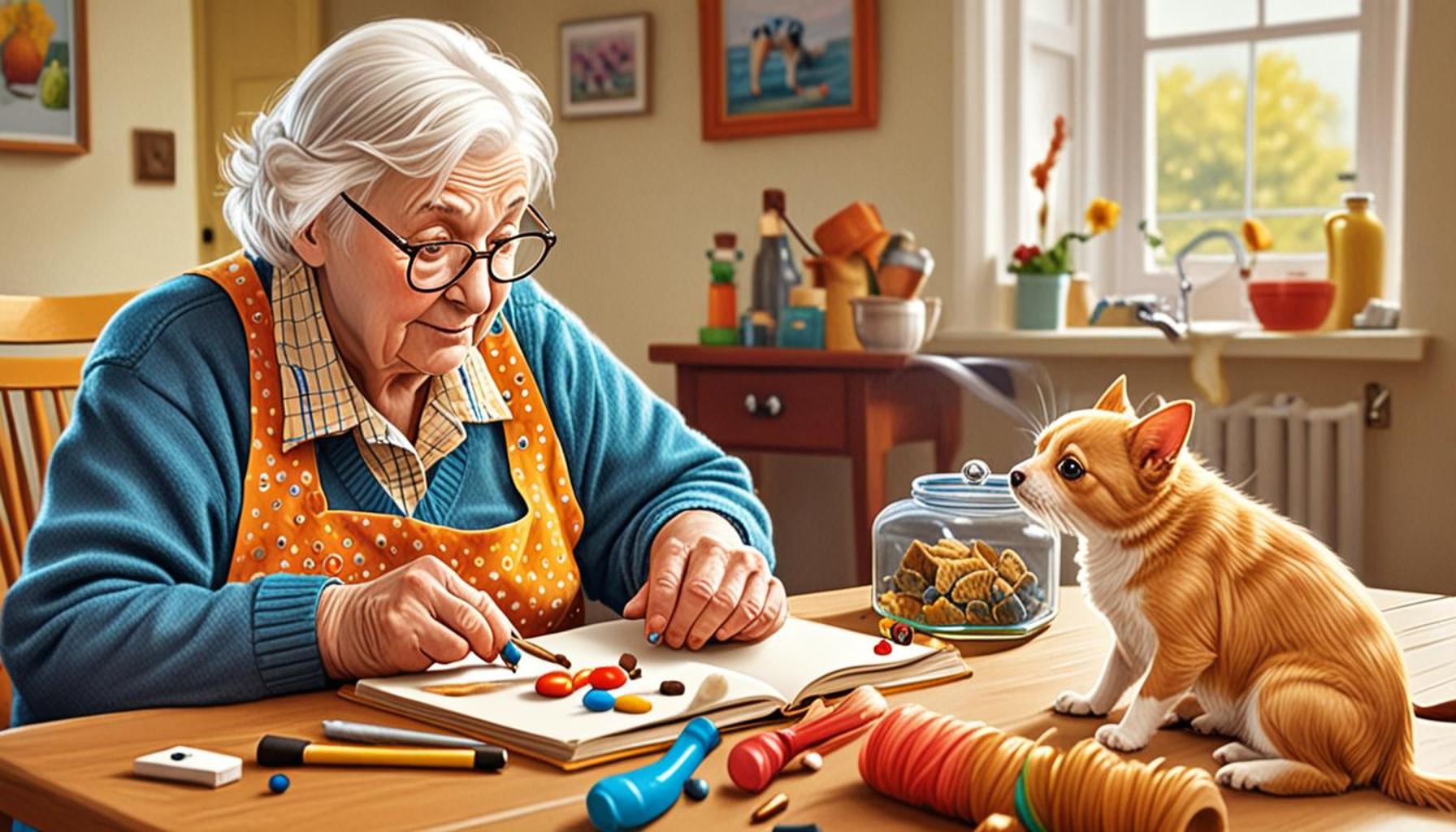
As our beloved pets enter their golden years, their needs evolve in ways that require us to reconsider our training techniques. Senior animals often face a variety of challenges, including reduced mobility, declining cognitive function, and a host of potential health issues. These factors can render traditional training methods less effective, and in some cases, inappropriate for our aging companions.
Why Adapting Training Methods Matters
Adapting your training approach for senior pets is crucial, not just for their well-being but also for deepening the emotional connection between pet and owner. Here are several compelling reasons to consider modifying your methods:
- Increased Comfort: Tailoring training techniques to accommodate the elderly pets’ physical limitations can significantly alleviate discomfort. For instance, if a senior dog struggles with arthritis, using more hand signals rather than expecting them to perform physically intense tasks can create a more positive training environment.
- Enhanced Understanding: A gradual introduction to new commands or tricks allows senior pets to process information at their own pace, reducing the likelihood of confusion and frustration. For example, instead of teaching multiple commands in one session, focus on one and repeat it until your pet demonstrates understanding.
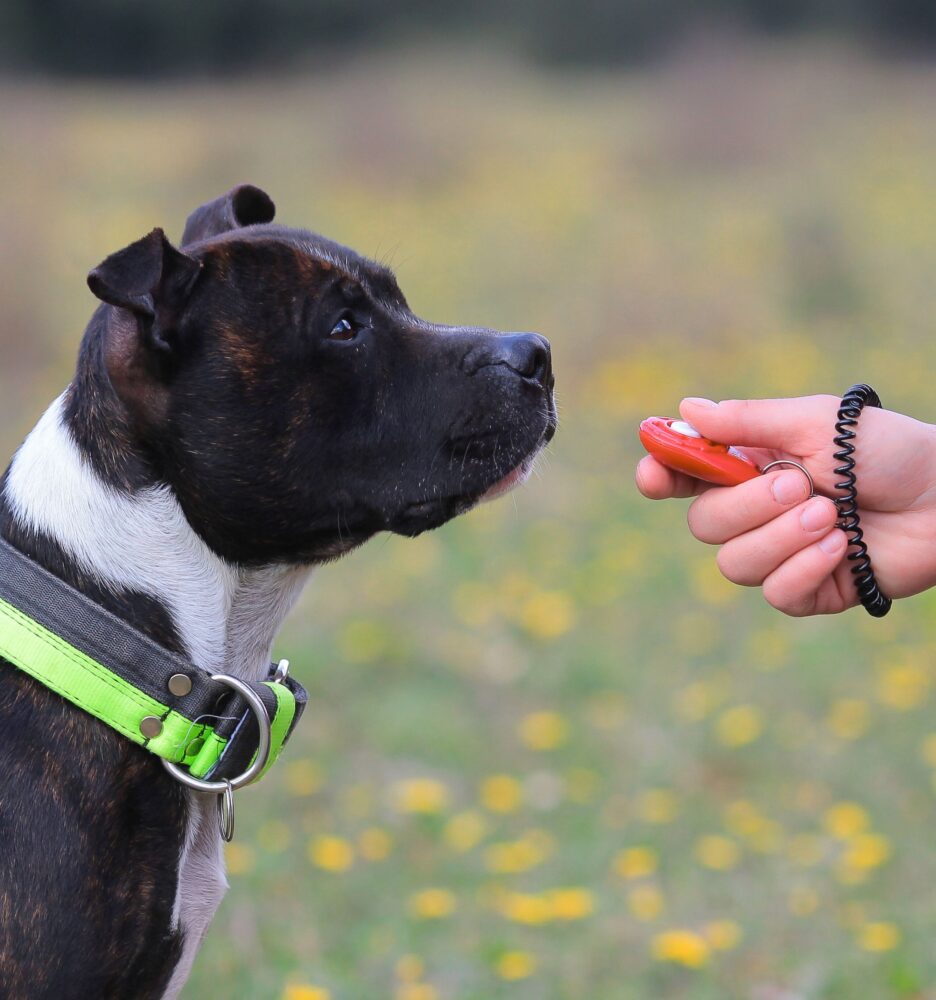
- Positive Reinforcement: By creating a supportive and encouraging environment, you facilitate the learning process. Using treats or affection as rewards for completing tasks helps foster motivation and enthusiasm, ensuring that your pet remains engaged in their learning journey.
Key Considerations for Training
When engaging in training sessions with senior pets, keep the following considerations in mind:
- Short Sessions: Aim for brief and frequent training sessions. Senior pets may have shorter attention spans and fatigue more quickly, so five to ten-minute sessions can be effective without overwhelming them.
- Gentle Commands: Adopt a softer tone when giving commands, using simpler, clearer cues to minimize confusion. For instance, rather than saying “sit” with an assertive tone, a gentle, calm instruction accompanied by a hand gesture can yield better results.
- Health-Friendly Techniques: Incorporate movements that are easy on their joints. Avoiding sudden or strenuous activities allows your pet to engage in training without experiencing pain or discomfort.
By embracing these adapted training methods, not only do you make learning enjoyable for your senior pet, but you also help ensure that they remain active and engaged in their later years. These adjustments can significantly enhance the quality of life for older animals, and research shows that mentally stimulating activities contribute to better cognitive health.
In conclusion, understanding the unique needs of senior pets is essential for maintaining their happiness and health. As you embark on this rewarding journey, consider exploring various methods and resources available to enhance the training experience for your cherished elderly companions. Whether it’s through specialized classes, online resources, or consultations with veterinary behaviorists, there’s a wealth of information waiting to be discovered.
DISCOVER MORE: Click here to dive into the emotional journey of pet adoption
Tailoring Techniques for Effective Training
Training senior pets requires a thoughtful approach that recognizes not only their age but also their previous experiences and individual personality traits. As they transition to their later years, many senior animals become set in their ways, often resulting in ingrained habits that may prove challenging to alter. However, with patience and creativity, owners can foster an enriching environment that promotes learning and adaptation even in the twilight of their pets’ lives.
Understanding Behavioral Changes
Behavioral changes in senior pets can be attributed to a variety of factors, including physical health and cognitive decline. For instance, an older dog may display less enthusiasm for fetching a ball due to joint pain or weariness. Similarly, a senior cat might avoid jumping or climbing, impacting their willingness to engage in complex training exercises. Awareness of these changes is paramount, as it allows you to fine-tune your training expectations.
Here are some behavioral adjustments to consider:
- Listening to Body Language: Older pets may communicate their discomfort or disinterest through their body language. Signs such as tail tucking, ear drooping, or hesitation can indicate that your pet is not up for a vigorous training session. Pay meticulous attention to these cues and adjust your activities accordingly.
- Memory Retention: Just like humans, pets can experience a decline in memory as they age. This might manifest as a shorter retention span for new commands. Focus on reinforcing previously learned commands through frequent repetition, creating a familiar structure that can boost their confidence and understanding.
- Motivational Shifts: What once motivated your pet may no longer be effective. For some senior animals, food may not evoke the same excitement it once did, while others may appreciate more social interaction. Experiment with different rewards to determine what resonates most with your pet.
Creating a Supportive Environment
Establishing a conducive environment for training is vital when working with senior pets. You want to create a space that is free from distractions and hazards while being accessible to your pet. Consider the following strategies:
- Safe Training Area: Choose a training area that minimizes risks of slips or falls. For dogs, a non-slip mat can provide stability, while for cats, low platforms or bedding can prevent unnecessary strains.
- Consistent Routines: Senior animals thrive on consistency. Developing a regular training schedule can help them anticipate learning moments, allowing them to mentally prepare for participation.
- Encouraging Interaction: Incorporate playful elements into your training, such as using toys or engaging in gentle play. This can turn a standard training session into an enjoyable bonding experience, thereby enhancing motivation.
Ultimately, the key to successfully training senior animals lies in patience and positivity. Emphasizing support and understanding during their learning process not only enriches their lives but also strengthens the bond you share. By being proactive about adapting training techniques, pet owners can ensure their senior companions remain engaged and happy, making their later years as fulfilling as possible.
| Advantage | Description |
|---|---|
| Enhanced Communication | Utilizing clear commands and gestures helps in reinforcing understanding, fostering a deeper bond. |
| Increased Mental Stimulation | Engaging in training sessions keeps a senior pet’s mind active, which is essential for cognitive health. |
| Physical Health Benefits | Gentle training exercises improve mobility and strength, contributing to an overall healthier lifestyle. |
| Flexibility & Adaptability | Adapting methods to fit individual needs ensures a tailored approach, enhancing effectiveness in training outcomes. |
In this insightful exploration of training techniques for senior animals, it becomes evident that understanding their unique needs can lead to a more fulfilling experience for both pet and owner. By incorporating enhancements in communication and mental stimulation, pet owners are not only aiding their furry friends in learning but also nurturing their emotional well-being. Through gentle physical activities, such as light obedience training or fun agility exercises, the pet’s vitality can be significantly improved, ultimately resulting in a happier and healthier companion. The flexibility in adapting these methods allows caregivers to adjust training practices based on individual pet responses. This adaptability creates a rewarding environment, ensuring that every senior pet receives the appropriate focus and care they require. Such insights encourage further examination into the significant impact tailored training can have on the lives of senior pets.
LEARN MORE: Click here to find out how to choose the perfect pet for your family</
Utilizing Positive Reinforcement and Incremental Learning
As any seasoned pet owner knows, positive reinforcement is a cornerstone of effective training, particularly for senior animals. This technique not only promotes desirable behavior but also enhances the emotional bond between pet and owner. In the realm of senior pet training, a gentle touch and a focus on encouragement can yield remarkable results.
The Power of Positivity
When training senior animals, positive reinforcement should be adapted to suit their needs. Rather than emphasizing a lengthy list of commands or tricks, focus on a select few that are practical for daily interactions. Here are ways to implement this technique:
- Small Rewards: Treats do not need to be large or abundant; in fact, small, soft treats can be easier on a senior pet’s digestive system. Breaking treats into tiny pieces can offer instant gratification without overwhelming their appetite.
- Verbal Praise and Affection: Many senior pets thrive on verbal affirmations and physical affection. Simple phrases like “good boy” or “well done” combined with gentle petting can bolster a senior animal’s confidence.
- Gradual Progressions: Introduce new behaviors step by step. If the goal is to teach your pet to ‘sit’ or ‘stay,’ begin with one motion, such as ‘sit,’ and reward consistently before adding commands together. This incremental approach aligns with the slower learning pace often seen in older pets.
Recognizing and Addressing Challenges
Training senior animals can be an emotionally charged experience, with frustrations often stemming from behavioral challenges related to aging. Being aware of these potential pitfalls allows for better preparedness:
- Physical Limitations: Understanding that your senior animal may not be able to engage in strenuous physical tasks is crucial. Adjust commands that require jumping or prolonged standing. Instead, focus on low-impact activities that keep your pet active without causing discomfort.
- Health Considerations: Schedule regular vet visits to monitor any health issues that might affect behavior and training. Conditions such as arthritis, cognitive dysfunction, or vision impairment can significantly impact responsiveness.
- Cognitive Challenges: Consistent practice of basic commands not only reinforces learned behaviors but also helps combat cognitive decline. Repeat instructions may seem redundant, but this practice provides structure and reassurance for pets with diminishing memory.
Interactive Training Techniques
Enriching training sessions with interactive elements can significantly boost engagement and retention for senior pets. Tapping into their natural instincts and curiosities fosters a more vibrant learning atmosphere:
- Scent Work: Engaging senior pets in scent work can offer both mental stimulation and physical activity without strain. Hiding treats around the house and encouraging them to find them can spark their motivation and cognitive abilities.
- Gentle Games: Simple games like ‘find the toy’ or soft tug-of-war can stimulate your pet’s interest. Keep these activities light-hearted to prevent undue stress or exhaustion.
- Socialization Opportunities: Introducing ethical socialization can also sharpen social skills. Arranging play dates with other calm and friendly pets can expose senior animals to new environments, encouraging adaptability.
By embracing an enriching training environment and utilizing beneficial techniques tailored to the unique needs of senior pets, you can create a fulfilling routine that helps prolong their joy of life and learning.
DIVE DEEPER: Click here to uncover valuable tips
Conclusion: Embracing Change for a Better Bond
As our beloved pets grow older, adapting training techniques to meet their unique needs becomes essential for fostering a strong connection and enhancing their quality of life. Through approaches such as positive reinforcement, gentle interactions, and gradual learning progressions, pet owners can create effective training environments that respect the physical and cognitive limitations of senior animals. Understanding the challenges faced by aging pets—such as declining health, mobility issues, and cognitive decline—allows owners to tailor their strategies accordingly, thus promoting not just obedience but overall well-being.
Furthermore, incorporating interactive training techniques adds an enriching dimension to their learning experiences. From scent work to gentle games, these activities can simultaneously challenge their minds and provide physical stimulation, which is crucial for maintaining their vitality. By recognizing their abilities and preferences, owners can cultivate a supportive atmosphere that encourages senior pets to learn at their own pace.
Ultimately, embracing these adaptive methods reinforces the idea that training is not solely about commands or tricks, but is a rewarding journey of mutual understanding and companionship. As we invest time and effort into training our senior pets with compassion and creativity, we not only enhance their lives but also deepen the unique bond that we share with them. Pet owners are encouraged to explore these techniques further, ensuring that their cherished companions continue to thrive during their golden years.