
The Role of Probiotics in the Digestion of Dogs and Cats
The Role of Probiotics in Enhancing Pet Health
As pet ownership becomes increasingly intertwined with a more health-conscious approach to nutrition, probiotics have captured the attention of many pet owners across the United States. Recognized for their potential to bolster digestive health, these beneficial microorganisms are paving the way for improved quality of life for our furry friends. Understanding the nature and benefits of probiotics is crucial for pet owners seeking to address their pets’ specific health needs.
Defining Probiotics
Probiotics are defined as live microorganisms, primarily bacteria, that confer health benefits when administered in adequate amounts. While they are typically associated with human diets, a growing body of research highlights their significant role in animal health as well. By populating the digestive tract, probiotics help maintain a balanced microbiota, which is essential for optimal digestion and nutrient absorption.
Sources of Probiotics
Pet owners can introduce probiotics into their pets’ diets through various sources. Supplements designed specifically for pets, often available in the form of powders, capsules, or chewable treats, can deliver concentrated doses of these beneficial bacteria. Additionally, fermented foods, such as yogurt (plain, unsweetened varieties safe for dogs) and kefir, can offer a natural source of probiotics. Specialized pet foods enriched with probiotics are also gaining popularity, often marketed as supporting digestive health.
Common Strains of Probiotics
Among the myriad of probiotic strains, Lactobacillus and Bifidobacterium stand out for their prevalence in pet products. Lactobacillus is known for its ability to ferment sugars into lactic acid, creating an acidic environment that inhibits harmful bacteria growth. Bifidobacterium contributes to gut health by helping balance the intestinal flora, enhancing the digestion of fiber, which often results in firmer stools and less odor.
Benefits for Pet Health
The incorporation of probiotics into a pet’s diet has numerous potential benefits. For one, they can significantly enhance nutrient absorption; this is particularly important for dogs and cats that may not be getting the full nutritional value from their food. Furthermore, probiotics can help balance gut microbiota, promoting a healthy digestive tract which can alleviate issues such as gas, bloating, and other signs of discomfort.
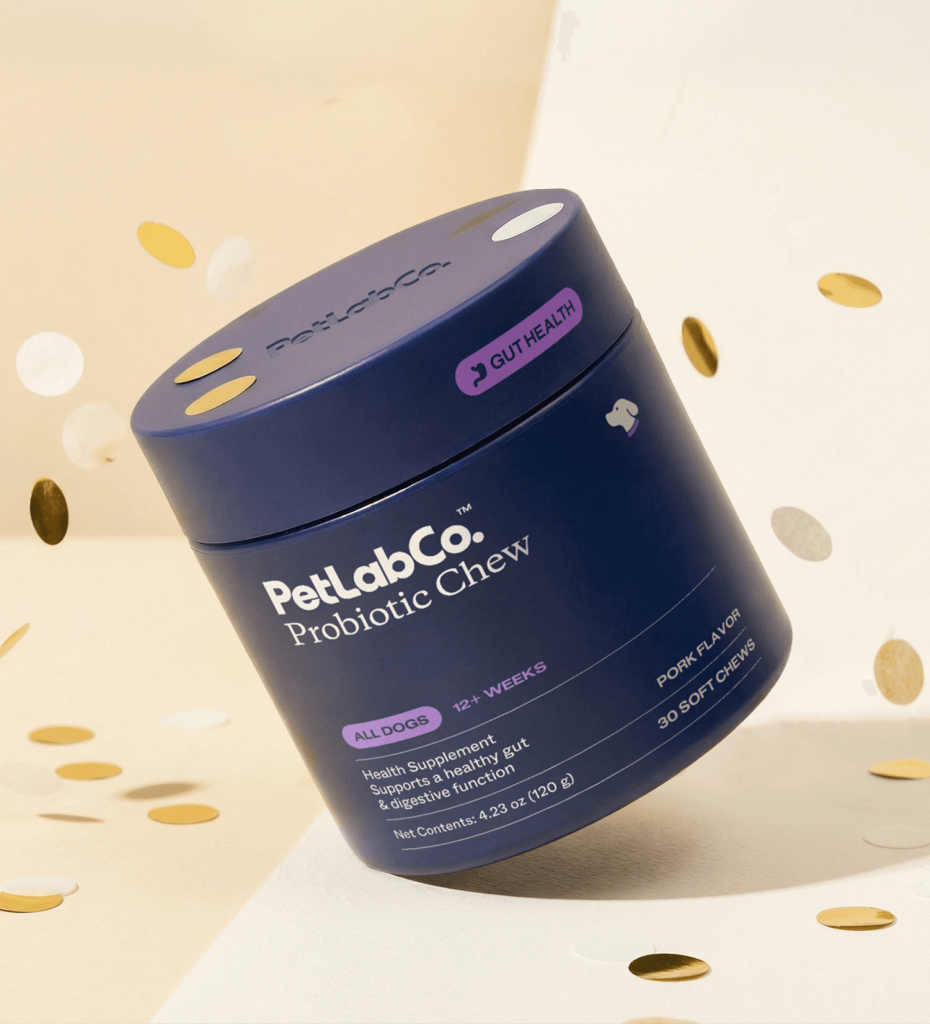
For pets suffering from digestive disorders, such as diarrhea or constipation, probiotics may prove to be a valuable ally. Research suggests that they can reduce the duration and severity of diarrhea, particularly in cases related to stress from travel, dietary changes, or illness.
Conclusion
As scientific understanding of pet nutrition continues to evolve, probiotics are increasingly recognized as a promising solution for managing common digestive issues in dogs and cats. By exploring the potential advantages of incorporating probiotics into their pets’ diets, owners can empower themselves to make informed nutritional choices. The journey towards a healthier, happier pet starts with understanding these tiny yet mighty microorganisms, inviting owners to dive deeper into the world of pet digestive health.
DIVE DEEPER: Click here to learn why socialization matters
The Science Behind Probiotics and Digestion
Probiotics play a pivotal role in the digestive health of dogs and cats, serving as a cornerstone for their overall well-being. The primary effect of probiotics on digestion revolves around the concept of gut microbiota, which refers to the vast community of microorganisms residing in the gastrointestinal tract. This microbiota is essential for breaking down food, synthesizing nutrients, and forming a protective barrier against harmful pathogens. However, a variety of factors, including stress, diet changes, and antibiotic use, can disrupt this delicate balance, leading to digestive issues such as diarrhea, constipation, or gas.
By introducing beneficial bacteria through probiotics, pet owners can promote a healthier gut environment. The benefits of restoring this balance are multifaceted. Among the most critical are:
- Enhancing Digestive Efficiency: Probiotics assist in breaking down complex carbohydrates and proteins, improving nutrient absorption. This helps ensure that pets receive the full benefits of their diet.
- Strengthening the Gut Barrier: Probiotics help maintain the integrity of the gut lining, preventing harmful bacteria and toxins from entering the bloodstream.
- Reducing Gastrointestinal Disorders: Studies have indicated that probiotics can alleviate discomfort associated with digestive disorders, providing relief from symptoms such as bloating and gas.
- Modulating Immune Response: A healthy gut flora is essential for immune functioning. Probiotics aid in optimizing the immune response, which can also reduce incidences of gastrointestinal infections.
How Probiotics Work
The mechanism through which probiotics exert their benefits is rooted in their interactions with the existing gut microbiota. When probiotics are ingested, they compete with harmful bacteria for space and resources in the intestines. By doing so, they help inhibit the growth of pathogenic organisms. Additionally, these good bacteria can also produce substances such as short-chain fatty acids, which are beneficial for colon health and can reduce inflammation.
The importance of maintaining a well-balanced digestive system cannot be overstated. Just as humans experience discomfort when their gut flora is out of balance, dogs and cats face similar challenges. Too often, pet owners may dismiss subtle signs of digestive distress, attributing them to normal behavior or a harmless dietary choice. However, consistent issues can lead to chronic problems if left unaddressed.
For those considering probiotics for their pets, it’s essential to utilize products backed by scientific research. Reputable brands conduct trials and studies to establish the efficacy and safety of their probiotic formulations, ensuring pet owners can make informed decisions.
What to Look for in Probiotic Products
Not all probiotic supplements are created equal. As a discerning pet owner, you should consider the following factors when selecting a probiotic for your dog or cat:
- Variety of Strains: Look for products containing multiple probiotic strains, as this can enhance effectiveness.
- CFU Count: The number of colony-forming units (CFUs) indicates the viability of probiotics. A higher CFU count often signifies a more potent formula.
- Specific Benefits: Different strains may target particular health issues. Research relevant to your pet’s needs can help determine which strain combinations are most beneficial.
The Role of Probiotics in Supporting Digestive Health
Probiotics, often referred to as “friendly” or beneficial bacteria, play an essential role in the digestive health of both dogs and cats. These live microorganisms, when administered in adequate amounts, can significantly alter the gut microbiota, promoting a healthy balance in a pet’s digestive system. The implementation of probiotics in pet diets has gained traction, as many pet owners seek natural solutions to enhance their companions’ gut health.One of the significant advantages of probiotics is their ability to improve digestion. By breaking down food more efficiently, probiotics help in the absorption of nutrients, ensuring that pets receive the full benefits of their diet. This becomes especially crucial for animals with sensitive stomachs or those recovering from illness.Moreover, probiotics have been shown to alleviate common digestive issues such as diarrhea, constipation, and gas. For example, studies indicate that administering certain strains of probiotics can significantly reduce the incidence and duration of diarrhea in dogs and cats. This is particularly beneficial during stressful periods, such as changes in environment, diet, or timelines of vaccinations.Additionally, probiotics contribute to the overall immune function in pets. A considerable portion of a pet’s immune system resides in the gut, and maintaining a healthy microbiome through probiotics can bolster this defense mechanism, making pets less susceptible to infections and diseases.Probiotic supplementation can be particularly advantageous during antibiotic treatments, when the natural gut flora can be disrupted. By introducing probiotics during or after such treatments, pet owners can help restore balance more quickly, minimizing potential side effects and promoting a swift recovery.With a variety of probiotic products available, including powders, chews, and specialized pet foods, it’s easier than ever for pet owners to integrate these beneficial bacteria into their pets’ diets. As ongoing research continues to shed light on the full scope of benefits provided by probiotics, the importance of these microorganisms in maintaining optimal digestive health for dogs and cats cannot be overstated. Discovering the right probiotic for your furry friends may require some trial and error, but the positive outcomes for digestion, overall health, and quality of life are well worth the effort. Balancing a pet’s diet with the inclusion of probiotics gives pet owners a proactive approach to ensuring their four-legged companions remain healthy and happy.
DISCOVER MORE: Click here to learn essential puppy socialization techniques
Integrating Probiotics into Your Pet’s Diet
Understanding the significance of probiotics in canine and feline digestive health is just the first step; integrating them effectively into your pet’s diet is equally crucial. In the bustling pet food market, probiotic supplements are increasingly becoming a sought-after addition to regular pet diets. However, pet owners must approach this integration thoughtfully to maximize benefits.
One popular method is to choose probiotic-enriched pet food. Many reputable brands now include probiotics in their formulations, offering a convenient way to ensure your pet receives adequate beneficial bacteria. These specially designed foods often contain live microbial cultures that support digestive health while delivering essential nutrients.
In cases where pet food doesn’t contain probiotics, or if additional supplementation is deemed necessary, standalone probiotic products are readily available in various forms, including powders, capsules, chews, or liquids. Each format has its advantages: for instance, powders can easily be mixed with food, while treats or chews may appeal more to discerning pets. However, it’s essential to check for the stability and viability of the probiotic strains, as some may lose effectiveness over time or require specific handling.
Dosage and Administration
When it comes to dosage, pet owners should consult a veterinarian to determine the ideal amount based on their pet’s size, age, and specific health needs. A common misconception is that more is always better; however, providing the correct dosage of probiotics is vital. Excessive intake may lead to gastrointestinal upset, negating the benefits of these supplements.
Moreover, timing plays a crucial role in the administration of probiotics. It is often recommended to introduce these supplements gradually, allowing the pet’s digestive system to adapt. This can minimize the risk of any adverse reactions and enhance the overall efficacy of the probiotics.
Potential Side Effects and Considerations
While probiotics are generally safe for pets, it’s important to be cognizant of possible side effects. Some pets may experience mild gastrointestinal symptoms, such as gas, bloating, or even diarrhea, particularly when first introduced to probiotics. These reactions usually subside as the gut adjusts to the new bacteria. It’s also essential to monitor for any signs of allergic reactions, such as itching or swelling, after starting a probiotic regimen.
Additionally, those with pre-existing health conditions or immunocompromised pets should consult their veterinarian before initiating any supplements. Certain strains of probiotics might not be suitable for all pets, especially those with compromised intestinal flora.
The Future of Probiotics in Veterinary Medicine
The landscape of veterinary medicine is changing, with an increasing focus on preventative care and holistic approaches to health. Current research indicates that the role of probiotics in the digestive health of dogs and cats could expand, with ongoing studies exploring their potential benefits in managing allergies, weight loss, and even behavioral issues.
Moreover, the interplay between probiotics and prebiotics is an emerging field of interest. Prebiotics, which are non-digestible food components that beneficially affect the host by selectively stimulating growth and/or activity of specific bacteria, may enhance the effectiveness of probiotics. By promoting the growth of beneficial bacteria already present in your pet’s gut, prebiotics could provide a synergistic effect when combined with probiotics, offering a comprehensive approach to digestive health.
As new research emerges, it becomes increasingly important for pet owners to stay informed about the evolving understanding of digestion in dogs and cats. By actively engaging with veterinary professionals and staying updated on current trends, pet owners can choose the best probiotic solutions for their furry friends.
LEARN MORE: Click here for important pet health tips
Conclusion
In summary, probiotics play a pivotal role in enhancing the digestive health of dogs and cats, contributing to improved nutrient absorption and overall well-being. As pet owners become more aware of the importance of gut health, the incorporation of these beneficial bacteria into their pets’ diets is set to become more widespread. From choosing probiotic-enriched pet foods to utilizing standalone supplements, there are numerous ways to effectively implement probiotics for your furry companions.
While the potential benefits are significant, it is essential to approach probiotic supplementation with care. Consulting with a veterinarian ensures tailored dosages and monitoring any potential side effects, fostering a safe and effective integration into your pet’s routine. Additionally, the emerging synergy between probiotics and prebiotics opens up exciting possibilities in promoting gut health, paving the way for further research and innovative dietary solutions.
As our understanding of canine and feline digestion evolves, pet owners must remain proactive in educating themselves about the latest findings. The shift towards preventative health care in veterinary medicine encourages a holistic approach to pet nutrition. By prioritizing digestive health through informed choices regarding probiotics, you can enhance the quality of life for your dogs and cats, supporting their health, vitality, and happiness.
Ultimately, the journey towards optimal digestive health is a partnership between you and your veterinarian, with probiotics acting as valuable allies on this path. Embrace the knowledge and resources available, and watch as your pets thrive on their customized nutrition journey.