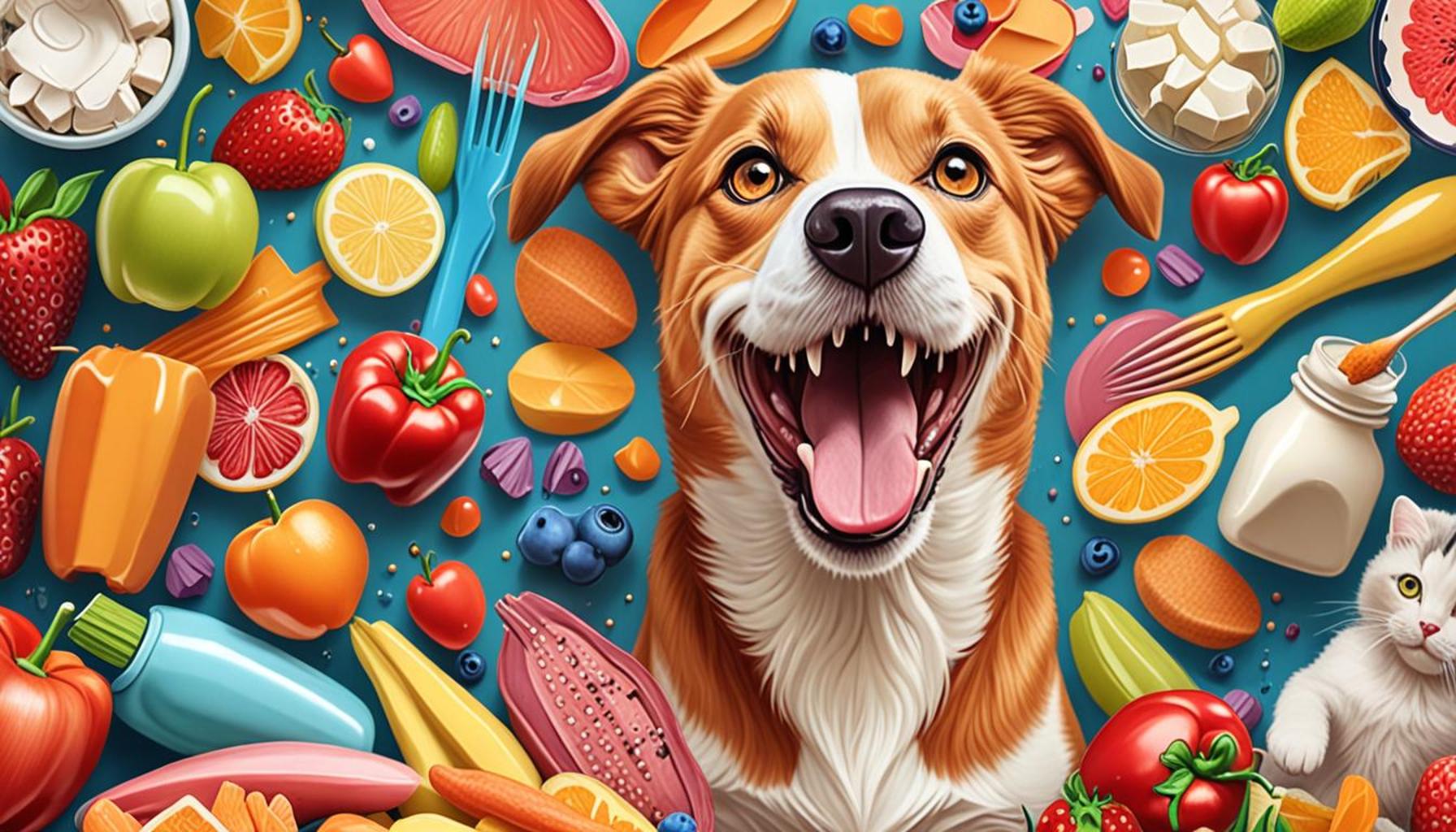
How Nutrition Influences Physical Activity and Performance in Pets

The Importance of Nutrition in Enhancing Pet Performance
The bond between nutrition and physical activity in pets is profound and complex. Just like humans, our furry friends require a balanced diet to thrive and perform at their best. The right nutrients can significantly enhance their energy levels, stamina, and overall well-being, bridging the gap between a mundane lifestyle and an active, fulfilling one.
The relationship between diet and performance in pets can be observed across various aspects, including agility, endurance, and recovery time after physical exertion. Some pets may be great athletes while others prefer a more sedentary lifestyle, but all require a thoughtful approach to their nutrition.
Understanding Macronutrients
When discussing pet nutrition, it’s essential to consider macronutrients, which include proteins, fats, and carbohydrates. Each of these macronutrients plays a crucial role in fueling physical activities:
- Proteins: Vital for muscle repair and growth, proteins also help in the synthesis of enzymes and hormones. High-quality protein sources such as chicken, fish, and beef can be particularly beneficial for active pets.
- Fats: Often misunderstood, fats are a concentrated source of energy that can support longer bouts of exercise. Omega-3 and Omega-6 fatty acids contribute to healthy skin and coat and can also play a role in joint health, which is critical for performance.
- Carbohydrates: While pets can derive energy from proteins and fats, carbohydrates offer a quick source of energy. Whole grains and vegetables not only provide fast-burning fuel but also play a role in digestive health.
The Role of Vitamins and Minerals
Beyond macronutrients, vitamins and minerals are essential for maintaining optimal health and ensuring proper metabolic functions. For instance, Vitamin E acts as an antioxidant, protecting cells from damage during exercise, while calcium and phosphorus help maintain strong bones, crucial for active pets. A deficiency in any of these nutrients can lead to fatigue or injuries, negatively impacting your pet’s ability to engage in physical activities.
Hydration – The Overlooked Essential
Hydration is another critical component of performance nutrition. Water is vital for maintaining energy levels and supporting bodily functions during exercise. Just like humans, pets can become dehydrated, especially if they are vigorously active or in warm environments. Keeping fresh water available not only aids digestion but also ensures that your pets remain active and healthy.
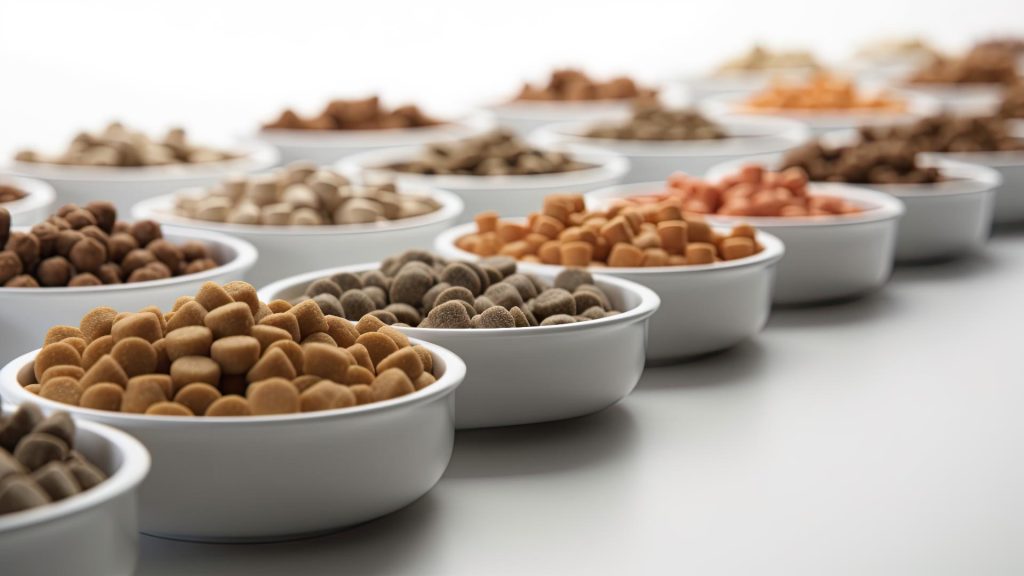
Understanding how these elements interact can help pet owners make informed dietary choices. The right balance of nutrients can lead to improved day-to-day activities and enhanced performance in sports or challenging environments. Factors such as age, breed, and activity level can determine specific nutritional requirements, reminding us that there is no one-size-fits-all approach to pet diets.
As pet enthusiasts, we owe it to our companions to explore how their diets can optimize their physical capabilities. Investing time in understanding their dietary needs can lead to a significant improvement in their overall happiness and energy levels. It is crucial for pet owners to delve deeper into the essential elements that contribute to their pets’ vitality and stamina. Embark on this journey to uncover how nutrition shapes the way our pets move, play, and perform—because a well-nourished pet is often a happy and energetic companion!
LEARN MORE: Click here for essential tips
Key Components of Pet Nutrition for Optimal Performance
Navigating the world of pet nutrition can be overwhelming, yet understanding its key components is essential for pet owners looking to enhance their animal’s physical activity and performance. The foundation of a well-balanced diet includes a variety of essential nutrients that cater to the unique needs of each pet based on factors such as breed, age, size, and lifestyle. In this section, we will explore the crucial components of pet nutrition that contribute to their overall energy levels and performance capabilities.
Macronutrients: The Building Blocks of Energy
The three primary macronutrients—proteins, fats, and carbohydrates—each serve a distinct purpose in pet nutrition. Their contributions to physical activity cannot be overstated:
- Proteins: Rich in amino acids, proteins are essential for building and repairing muscle tissue. Active pets, especially those involved in rigorous activities, may require higher protein intake to support muscle development and prevent fatigue. Quality sources such as lamb, turkey, and eggs should be prioritized in their diet.
- Fats: Often misperceived as unhealthy, fats serve as an important energy source for pets, particularly during prolonged physical exertion. Beneficial fats, including omega-3 and omega-6 fatty acids found in fish oil or flaxseed, not only supply energy but also support joint health and mobility, making them indispensable for active pets.
- Carbohydrates: While not strictly necessary for pets, carbohydrates provide a quick source of energy. Foods rich in whole grains, fruits, and vegetables can offer easily digestible energy that supports short bursts of activity, ensuring pets can maintain their stamina during playtime or workouts.
The Significance of Micronutrients
Alongside macronutrients, vitamins and minerals play vital roles in enhancing physical performance and supporting overall health. For example:
- Vitamin D: Essential for calcium absorption, Vitamin D helps maintain healthy bones—crucial for any active pet.
- B Vitamins: A group of nutrients that is instrumental in energy production, B vitamins help convert nutrients into usable energy, making them critical for energetic pets.
- Antioxidants: Vitamins C and E act as powerful antioxidants, protecting cells from oxidative stress during intensive physical activities, helping to speed up recovery times.
These micronutrients work synergistically with macronutrients to ensure pets can perform at their peak, promoting longevity and vitality. A balanced mix of these components not only supports physical capabilities but can enhance cognitive function and emotional health as well.
Understanding Individual Nutritional Needs
It’s important to recognize that each pet is unique, with specific dietary needs shaped by factors such as age, breed, activity level, and health status. For instance, growing puppies require protein-dense diets to support their development, while older pets may need lighter diets with joint-supporting supplements to maintain mobility. Tailoring a pet’s nutrition according to their individual requirements can lead to remarkable improvements in performance and overall well-being.
As pet owners, understanding these nutritional elements is the first step towards making informed decisions that ultimately enhance physical performance, activity levels, and life quality for our furry companions. Investing time to learn about the ingredients and formulation of their food can significantly enhance their day-to-day experience, leading to a happier and more energetic pet.
The link between nutrition and the physical performance of pets is not only significant but also multifaceted. Understanding how the right diet can enhance your pet’s activity levels and overall health is crucial for pet owners aiming to provide the best care possible.Quality of Ingredients plays a pivotal role in determining the nutritional value of pet food. Ingredients rich in essential fatty acids, proteins, vitamins, and minerals contribute to improved energy levels and stamina in pets. For instance, Omega-3 fatty acids, often found in fish oil, have been shown to reduce inflammation and aid in muscle recovery, crucial for active pets.
Moreover, the timing and frequency of meals is an essential factor that pet owners should consider. Feeding pets before exercise can provide the necessary energy they need to maximize their performance. Conversely, understanding how to balance meals with physical exertion can prevent digestive issues, ensuring pets remain active without discomfort.
Another layer of nutrition that greatly affects physical activity is hydration. Proper hydration is fundamental, especially before and after vigorous activities. Dehydrated pets can experience decreased stamina and performance, which can influence their willingness to partake in physical activities.
| Nutritional Aspect | Impact on Performance |
|---|---|
| Protein Quality | Improves muscle development and recovery. |
| Carbohydrate Sources | Provides quick energy for high-intensity activities. |
| Hydration | Essential for maintaining endurance and preventing fatigue. |
Lastly, it is important to recognize that the individual needs of pets can vary greatly based on their age, breed, and activity level. A tailored approach to nutrition, considering these factors, allows pet owners to optimize their pets’ physical activity and performance, ensuring a happy and healthy life. Engaging a veterinarian in nutritional discussions is also highly recommended for crafting the best diet tailored to your pet’s specific activity demands.
DISCOVER MORE: Click here for expert advice on senior pet nutrition
The Impact of Hydration on Performance
When discussing nutrition for active pets, hydration is often overlooked, yet it plays a crucial role in sustaining performance levels. Just like humans, pets need an adequate intake of water for optimal functioning. Dehydration can lead to fatigue, decreased endurance, and compromised immune function. Active pets can lose a significant amount of water through panting during exercise, and it is vital for owners to ensure their furry companions stay hydrated both before and after physical activities.
Hydration Strategies for Active Pets
Pet owners should consider several strategies to promote hydration, especially for those engaged in vigorous exercise or during warmer months:
- Fresh Water Availability: Always make sure your pet has access to clean, fresh water, particularly after walks, play sessions, or after returning home from the park.
- Electrolyte Solutions: For extremely active pets or those participating in endurance activities, incorporating vet-approved electrolyte solutions can help replenish lost minerals and maintain hydration levels.
- Water-Rich Foods: Including wet food or hydrating treats, such as fruits like watermelon or cucumbers, can also improve overall water intake, especially for pets who are more reluctant to drink.
Ensuring proper hydration blends seamlessly with a well-balanced diet and fuels your pet’s performance, setting the stage for enhanced physical activity.
Special Considerations for Performance Nutrition
When contemplating nutrition’s role in physical performance, it’s important to note the specific dietary needs depending on the type of activity your pet engages in. For working dogs or those participating in canine sports, their nutritional focus may differ sharply from that of a more sedentary pet. Specialized diets designed for high-performing pets often contain tailored ratios of macronutrients to fuel their lifestyle and may include higher protein and fat levels to support energy needs.
Performance Enhancing Supplements
For pets involved in competitive or strenuous activities, performance-enhancing supplements can be beneficial. These come in various forms, such as:
- Joint Support Supplements: Ingredients like glucosamine and chondroitin can be critical for active pets, helping to prevent wear and tear on joints.
- Probiotics: Maintaining gut health through probiotics supports overall digestion and nutrient absorption, which is crucial for energy supply.
- Amino Acid Supplements: Branched-chain amino acids (BCAAs), known for their role in muscle recovery, may be useful for pets undergoing intensive training regimens.
While many performance supplements exist in the market, pet owners should collaborate with veterinarians to determine the most suitable options tailored to their pet’s needs.
The Role of Timing in Feeding
In addition to nutritional composition, the timing of meals plays a significant role in enhancing physical performance. For pets involved in regular exercise, feeding them at strategic times can optimize energy levels. A meal should ideally be provided 2-3 hours before exercising, allowing for digestion and energy availability without risking discomfort during activities.
Conversely, after exercise, pets should receive a balanced meal that provides protein and carbohydrates to assist in muscle recovery and replenish glycogen stores. Timing your pet’s meals around their physical activity schedule can lead to improved performance and enhanced endurance.
By understanding the comprehensive aspects of pet nutrition—including hydration, specialized diets for various performance needs, supplements, and meal timing—pet owners can foster an environment that promotes health and vitality. This thoughtful approach not only supports physical activity but also enriches the bond between owners and their beloved pets, creating a happy, energetic lifestyle.
LEARN MORE: Click here to discover why socialization is vital for your pet
Conclusion: The Vital Connection Between Nutrition and Performance in Pets
As we’ve explored throughout this article, nutrition is a fundamental component that significantly influences physical activity and performance in our beloved pets. From maintaining optimal hydration levels to understanding the unique dietary needs based on an animal’s activity level, the right nutrition creates a solid foundation for both health and performance enhancement. For active pets, a diet rich in high-quality ingredients, appropriate macronutrient ratios, and timely meal planning can prevent fatigue and injuries while promoting endurance and recovery.
Moreover, incorporating performance-enhancing supplements can provide additional support, especially for pets engaged in rigorous activities. Elements such as joint support products, probiotics, and amino acids serve to bolster not just physical capabilities but overall wellness. Before introducing any new dietary components, however, it is crucial for pet owners to consult with a veterinarian, ensuring that the selected supplements align with their pet’s specific needs.
Ultimately, the bond between nutrition and physical performance is undeniable. By prioritizing a thoughtful approach to diet and hydration, pet owners can enhance their furry companions’ vitality while enriching their lifestyles. As we continue to embrace our pets as integral members of our families, it is our responsibility to equip them with the proper tools necessary for a fulfilling, active, and healthy life. Investing in appropriate nutrition not only benefits physical performance but, more importantly, cultivates a joyous and active life shared between pets and their owners.