Vaccination and Prevention: Protecting Your Pet from Common Diseases
Importance of Vaccination for Pets
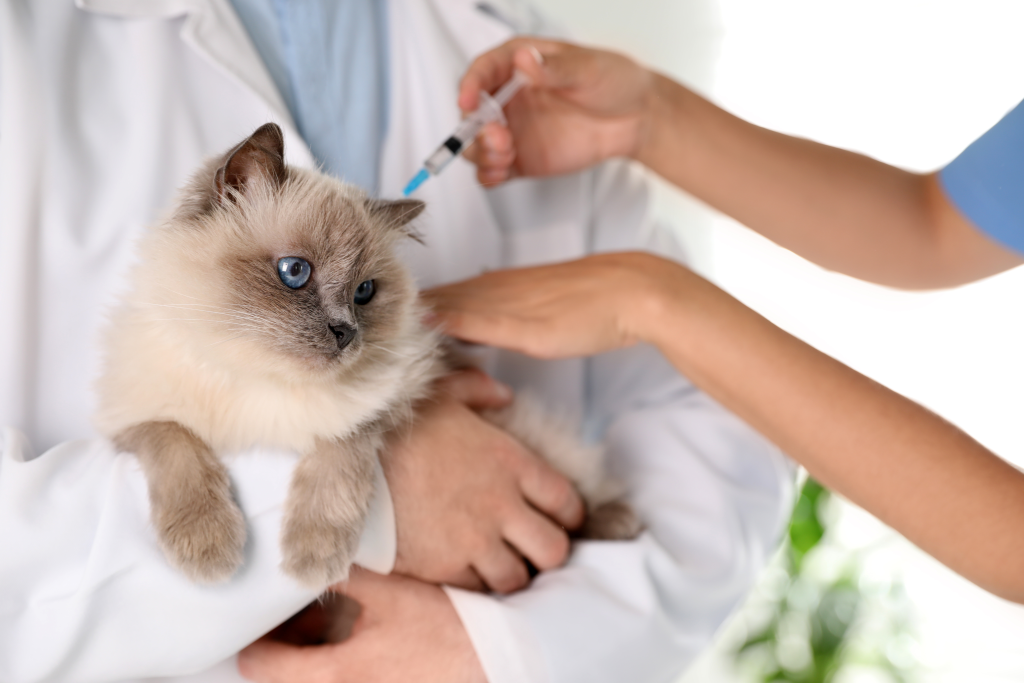
Vaccination is essential not only for the health of your pets but also for the overall well-being of your community. Vaccines provide the first line of defense against a multitude of dangerous diseases that affect pets, which can sometimes be transmitted to humans. By prioritizing vaccination, pet owners contribute to herd immunity, helping to protect vulnerable animals and populations.
To highlight the gravity of these diseases, let’s take a closer look:
- Rabies: This viral infection is transmitted through the saliva of infected animals and can be fatal once symptoms manifest. In the United States, rabies vaccinations are not only crucial for your pet’s health but are also legally mandated in many states, given its potential to spread to humans.
- Canine Parvovirus: Known for its resilience and ability to spread rapidly, this highly contagious virus can wreak havoc on a dog’s gastrointestinal system, leading to severe dehydration and often resulting in death if treatment is not administered promptly. Puppy owners are especially urged to vaccinate against this virus, as young dogs are particularly susceptible.
- Feline Leukemia Virus: This virus ultimately weakens a cat’s immune system and is a significant cause of cancer in feline companions. Fortunately, there is a vaccine that significantly reduces the risk of infection, making vaccination an important preventive measure for every cat owner.
Despite the clear benefits, many pet owners in the United States remain unsure about vaccination schedules. Vaccination requirements can differ by state and even municipality, with some local laws necessitating specific vaccinations for pets, such as rabies, to be considered legally compliant. Therefore, scheduling regular check-ups with a veterinarian becomes paramount. A qualified veterinarian can recommend a tailored vaccination plan that aligns with your pet’s age, lifestyle, and health history.
Beyond vaccinations, maintaining a comprehensive approach to your pet’s health through preventive care can further enhance their quality of life. This includes:
- Regular health screenings, which can help in early detection of potential health issues.
- Proper hygiene practices, such as routine grooming and cleaning of living spaces to prevent parasite infestations.
- Balanced nutrition, ensuring your pet receives the appropriate nutrients to maintain their vitality and resilience against illnesses.
By implementing these holistic strategies, pet owners create a tailored and robust shield against various health threats, thus enhancing the quality and longevity of their pets’ lives. Join us as we delve deeper into the world of pet vaccinations and preventive care methods, empowering you to make informed and compassionate choices for your beloved companions.
DIVE DEEPER: Click here to learn more about your pet’s diet
Understanding Vaccine Types and Their Benefits
When it comes to vaccination and prevention, being informed about the different types of vaccines available for pets is crucial. In the United States, veterinary medicine recognizes two primary categories of vaccines: core vaccines and non-core vaccines. Core vaccines are universally recommended for all pets, regardless of lifestyle or location, as they protect against severe diseases that pose a significant threat. Non-core vaccines, on the other hand, are given based on individual risk factors, such as geographic location, lifestyle, and pets’ environmental exposure.
Core Vaccines: The Essentials
For dogs, the core vaccinations typically include: Canine Distemper, Canine Hepatitis (Adenovirus), Parvovirus, and Rabies. By immunizing against these diseases, pet owners ensure that their furry friends have a strong defense against some of the most deadly infections. Failing to vaccinate against core diseases can have dire consequences and potentially lead to outbreaks within communities.
Similarly, core vaccines for cats include: Feline Panleukopenia, Feline Herpesvirus, Feline Calicivirus, and Rabies. These vaccinations help safeguard against life-threatening ailments that can have devastating effects on feline health. Young kittens are particularly vulnerable, making early vaccination essential for their survival and well-being.
Non-Core Vaccines: Tailored Protection
Non-core vaccines can vary widely depending on your pet’s specific environment and lifestyle. For example, dogs who frequently visit dog parks or stay in boarding facilities may benefit from vaccines against Bordetella bronchiseptica (Kennel Cough) and Leptospirosis. Likewise, for outdoor cats at risk of exposure to other felines or wildlife, vaccines for Feline Leukemia Virus and Feline Immunodeficiency Virus are worth considering. Consulting with a veterinarian enables pet owners to make informed decisions regarding non-core vaccines, ensuring tailored strategies that meet the unique needs of their companions.
It is also essential to understand that vaccination is not a one-time event. Pets require booster shots to maintain immunity levels, especially for certain diseases. The timing and frequency of these shots can vary depending on the specific vaccine and your pet’s age. Regular veterinary visits can help in developing a comprehensive vaccination schedule to ensure optimal health for your pet.
As responsible pet owners, it is vital to recognize that timely and appropriate vaccinations are a proactive way to combat common pet diseases. Beyond vaccination, preventive care also includes routine health screenings and proper hygiene to monitor your pet’s overall health. By integrating these practices, one can effectively reduce the risk of illnesses and foster a happier, healthier life for their pets.
Understanding Vaccination and Its Importance
Vaccination is a crucial component in ensuring the health and longevity of your pet. It creates a strong immune response that protects against various diseases that can have severe consequences. Below, we highlight two fundamental advantages of vaccination for your pets in the context of preventing common diseases.
| Advantage | Description |
|---|---|
| Enhanced Immunity | Vaccination strengthens your pet’s immune system against life-threatening diseases, making them more resilient to infections. |
| Prevention of Outbreaks | Vaccination helps reduce the spread of diseases not only in your pet but within the community, fostering a healthier environment. |
Vaccination is a proactive step that every pet owner should consider seriously. By vaccinating your pet, you’re not just protecting their health; you’re contributing to the safety of other animals as well. The more pets are vaccinated, the lesser the chances of outbreaks of infectious diseases. Additionally, staying informed about the vaccination schedule and hotspot diseases is essential to ensure your pet remains safe and healthy. Whether it’s rabies, parvovirus, or Lyme disease, discussing these with your veterinarian will empower you to make informed decisions tailored to your pet’s needs. In this ongoing battle for your pet’s health, understanding and prioritizing vaccinations is the first line of defense.
LEARN MORE: Click here to dive deeper
The Importance of Regular Veterinary Visits
One of the most effective strategies for vaccination and prevention is to establish a close relationship with a trusted veterinarian. Regular veterinary visits empower pet owners to remain proactive in their pet’s health care. These check-ups facilitate not just vaccination updates but also comprehensive health assessments. During consultations, veterinarians can identify risks, provide advice on nutrition and exercise, and conduct essential screenings that can preemptively address potential health issues.
Identifying Health Risks
Every pet is unique, and various factors—such as breed, age, lifestyle, and regional diseases—affect their susceptibility to certain health conditions. For instance, breeds like Doberman Pinschers and Boxers may have predispositions to specific diseases, necessitating more vigilant health monitoring. Through regular veterinary visits, veterinarians can tailor vaccination schedules and suggest additional preventive measures based on these individual risk factors.
- Age Considerations: Puppies and kittens often require a series of vaccines, and understanding their immunization timeline is critical. Unlike adult pets, younger animals need to build immunity gradually.
- Geographic Location: Some regions are prone to diseases—like Lyme disease in areas populated by ticks—making it imperative to consult with a veterinarian about local risks.
- Health History: Knowing your pet’s medical history, including any previous conditions or reactions to vaccines, allows the vet to make informed decisions that prioritize your pet’s health.
Integrating Preventive Care Practices
Preventive care should encompass more than just vaccinations. Regular dental care, parasite prevention, and nutritional guidance play vital roles in maintaining overall health. Dental diseases are frequently overlooked but can significantly impact a pet’s quality of life. Routine dental cleanings by a vet can prevent infections and other serious conditions.
In addition, parasite control through medications and vaccinations is necessary to protect pets from parasites like fleas, ticks, and heartworms. Heartworm disease, transmitted by mosquitoes, is prevalent in many parts of the United States, and prevention is far more effective than treatment. Pet owners should consult with their vet about the best products and regimens for parasite prevention based on their pet’s lifestyle and environment.
Nutrition is another critical aspect of preventive care. A well-balanced diet tailored to your pet’s age, size, and health condition supports their immune system and enhances their overall well-being. Veterinarians can recommend dietary plans that prevent obesity, which is a growing concern that can lead to a plethora of health complications.
Emergency Preparedness and Awareness
Awareness of common pet ailments and quick responses can save lives. Pet owners should be familiar with signs of illness such as lethargy, loss of appetite, persistent vomiting, or diarrhea. Recognizing these symptoms early allows for immediate veterinary intervention, potentially preventing serious health complications.
Creating an emergency pet care kit with important resources, such as vaccination records, medical information, and emergency contact numbers, is also paramount. Just as families prepare for emergencies, so should pet owners take similar precautions for their furry friends. In urban areas prone to natural disasters, carrying an up-to-date first aid kit can ensure that your pet’s needs are met quickly during a crisis.
By merging these proactive approaches with timely vaccinations, pet owners can cultivate a robust defense against common diseases, ultimately leading to healthier, happier pets.
DIVE DEEPER: Click here to learn about clicker training
Conclusion
In conclusion, vaccination and prevention are essential pillars for maintaining the health and well-being of our beloved pets. Regular veterinary visits foster a collaborative relationship that empowers pet owners to make informed health choices while addressing specific needs based on age, breed, and geographical location. By tailoring vaccination schedules and incorporating comprehensive preventive care practices—including dental hygiene, parasite control, and proper nutrition—pet owners can significantly reduce the risk of common diseases that threaten their furry companions.
Moreover, recognizing early signs of illness and being prepared for emergencies can make a crucial difference in the effectiveness of timely interventions. Pet owners who educate themselves and stay vigilant not only enhance their pets’ quality of life but also extend their longevity. As research continues to uncover new challenges in pet health, staying informed about the latest veterinary guidelines, vaccinations, and preventive measures becomes paramount.
Ultimately, investing time and effort into your pet’s health is an investment in their happiness and vitality. As guardians of these cherished companions, let us embrace our roles with diligence, ensuring they enjoy their lives free from preventable diseases. For further exploration, pet owners should consult reliable veterinary resources and engage in community discussions about best practices in vaccination and prevention, fostering a healthier future for all pets.