The Role of Social Activity and Environmental Enrichment in the Emotional Health of Pets
The Importance of Social Interaction for Pets
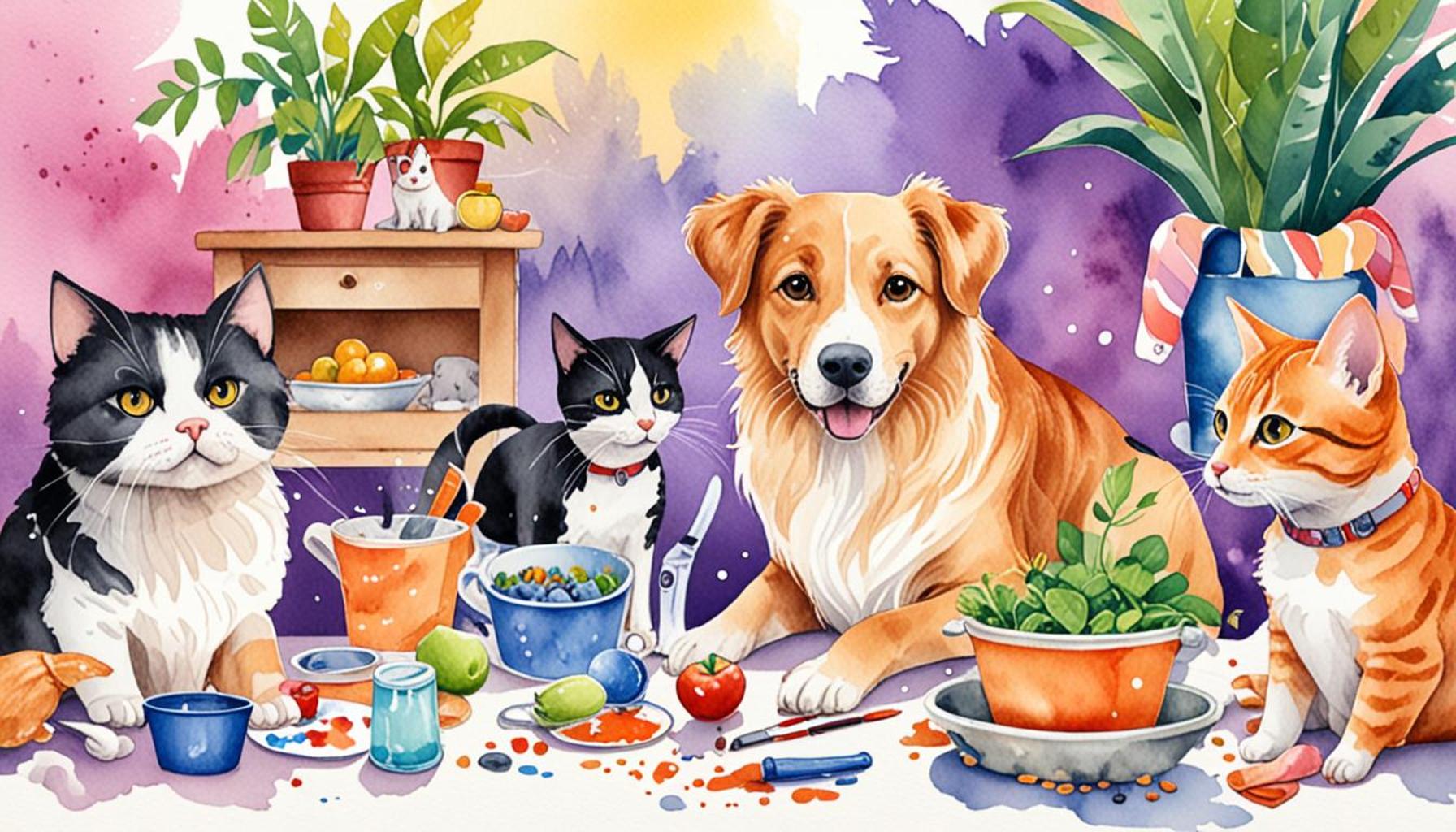
Pets are not just companions; they have become integral members of our families. The emotional health of pets relies heavily on their surroundings and social interactions. Emphasizing these factors can lead to happier and more fulfilled lives for our furry friends. Research indicates that pets thrive in environments where they are engaged both socially and cognitively.
Social Activity: A Key Component
Interaction with other animals and people is critically beneficial for pets. When pets, such as dogs and cats, engage in play with other animals or receive affection from their human companions, they release endorphins, which are essential for their overall happiness. For example, dogs that regularly socialize with other dogs at parks or during playdates often exhibit reduced anxiety and stress levels. Moreover, opportunities for socialization can be pivotal in reducing behavioral issues, such as excessive barking or destructive habits.
Creating a robust social network for your pet can enrich their lives dramatically. Dog parks are a popular venue in the United States, where dogs can interact freely, helping to develop their social skills. Similarly, structured activities like obedience classes or agility training not only promote socialization but also provide mental stimulation, enhancing their emotional state and bolstering the bond between pets and their owners.
Environmental Enrichment: Beyond Basic Needs
Alongside social interaction, environmental enrichment is crucial for your pet’s mental engagement. A dynamic living space filled with various stimuli—such as toys, climbing structures, or opportunities for outdoor exploration—can significantly elevate your pet’s quality of life. For instance, consider providing a cat with scratching posts, climbing trees, and interactive toys that simulate prey. Dogs, on the other hand, benefit from toys that challenge their problem-solving abilities, promoting cognitive development and preventing boredom.
Additionally, allowing pets outdoor access can fulfill their natural instincts to explore and roam, which is essential for their emotional well-being—especially in urban settings. Even simple changes, like rotating toys or creating engaging scavenger hunt games, can provide new challenges that keep pets interested and mentally stimulated.
Establishing Routine for Stability
Another vital aspect to consider is the establishment of regular routines. Consistent playtimes, feeding schedules, and training sessions contribute to a pet’s overall sense of security and structure. For many pets, having a predictable routine can alleviate anxiety and provide a reassuring framework for their day. For instance, a dog that knows when to expect walks or meals is less likely to experience stress or anxiety than one without such routine.
In conclusion, pets are sensitive beings that thrive in environments fostering social connections and cognitive challenges. By understanding and implementing changes in social activity, environmental enrichment, and stable routines, pet owners can significantly enhance their furry companions’ emotional health. This, in turn, leads to stronger bonds and a more harmonious household, thereby creating a happier life for both pets and their human families.
DISCOVER MORE: Click here to learn why regular check-ups are essential
Social Activity: The Heart of Emotional Well-Being
Pets, especially dogs and cats, are social creatures requiring regular interaction to thrive. Social activity serves as a foundational pillar in maintaining their emotional health. Engaging with humans and other animals not only fosters companionship but also promotes healthy behaviors. Studies have shown that pets receiving adequate social interaction develop better coping mechanisms when faced with stress and anxiety.
Regular playdates and outings can significantly enrich a pet’s life. For example, dogs that participate in group play have been found to exhibit fewer behavioral problems—a clear indication of the positive impact of socializing. Similarly, cats that interact with other felines can experience enhanced confidence and reduced fearfulness in new situations. By providing pets with opportunities to engage socially, owner can facilitate their development into well-adjusted and happy companions.
Methods to Foster Social Interaction
Enhancing your pet’s social life doesn’t have to be complicated. Here are a few effective methods:
- Visit Dog Parks: These venues allow dogs to meet and play with others in a safe environment, promoting their social skills and physical health.
- Arranging Playdates: Coordinating gatherings with other pet owners fosters friendships between pets and their owners, enriching both parties.
- Participate in Training Classes: Group classes not only teach basic commands but also provide socialization opportunities with other pets and people.
- Set Up Community Events: Look for local pet gatherings or events that encourage socializing among pet owners and their companions.
These activities not only provide essential interaction but also deepen the bond between pets and their human families. Emotionally healthy pets are often more affectionate and obedient, creating a harmonious atmosphere at home.
Environmental Enrichment: Beyond the Basics
Besides social activity, environmental enrichment plays a crucial role in enhancing pets’ emotional health. This enrichment involves providing a stimulating environment that encourages pets to explore and engage with their surroundings actively. A confined, monotonous space can lead to boredom, anxiety, and even behavioral problems.
Providing various forms of enrichment can transform a pet’s living environment into an engaging playground. Here are some methods to achieve this:
- Interactive Toys: Toys that can be chewed, fetched, or puzzle-based keep pets active and mentally stimulated.
- Outdoor Exploration: Allowing pets access to outdoor spaces, like gardens or parks, fulfills their natural instincts and encourages exploration.
- Varied Accessories: Rotating scratching posts, beds, or play structures can keep the environment interesting for pets, reducing boredom and restlessness.
- Engagement Activities: Simple activities like hide-and-seek or scent games can stimulate your pet’s instincts while providing mental challenges.
By incorporating an enriched environment and opportunities for socialization, pet owners can ensure that their furry companions lead fulfilling lives, thereby nurturing both their emotional well-being and overall happiness.
When considering the emotional health of pets, social activity and environmental enrichment emerge as critical factors that contribute significantly to their overall well-being. Engaging in *social activities*, such as play dates with other pets or interaction with humans, fosters a sense of belonging and helps reduce feelings of isolation. Research has shown that pets who regularly socialize are less likely to exhibit behavioral issues, as positive engagements stimulate their minds and promote happiness.
Additionally, environmental enrichment plays a vital role in maintaining the emotional balance of pets. This includes providing them with interactive toys, changing their surroundings, or introducing new activities that challenge them mentally and physically. For instance, setting up obstacle courses or hiding treats around the house can enhance a pet’s cognitive skills and keep their natural instincts sharp. Evidence indicates that a well-stimulated pet is a happier and less anxious pet, leading to a more harmonious home environment.
Moreover, *the incorporation of diverse experiences*, such as walks in new areas, playing games that involve problem-solving, or exposing pets to different sights and sounds, can drastically improve their emotional resilience. Understanding this connection can empower pet owners to be proactive in ensuring their pets lead enriched and fulfilling lives.
As we delve deeper into the intricacies of pet emotional health, it’s essential to examine the specific benefits of fostering such environments and activities, not just for the pet’s joy but also for strengthening the bond between pets and their owners.
LEARN MORE: Click here for essential pet health tips
Environmental Enrichment: Building a Stimulating Habitat
While social activity is fundamental to a pet’s emotional health, environmental enrichment is equally critical in creating a thriving and fulfilling life for our animal companions. This concept revolves around providing pets with a variety of stimuli that cater to their instincts and natural behaviors. When pets are confined to a dull or uninspiring environment, they can become bored, anxious, and, in some cases, destructive. To combat this, pet owners can integrate enrichment techniques into their pets’ daily routines.
Research indicates that pets living in stimulating environments exhibit decreased signs of stress and anxiety, which translates to happier, more balanced pets. For instance, studies have shown that dogs given access to a variety of textures and scents in their environment display enhanced problem-solving abilities and overall enthusiasm for play. Similarly, cats exposed to dynamic surroundings demonstrate improved engagement in physical and mental activities, leading to healthier lifestyles.
Innovative Enrichment Techniques
Creating an enriched environment does not require extensive resources. Simple changes can vastly improve a pet’s emotional landscape. Here are some innovative techniques:
- DIY Puzzle Feeders: Transform meal times into problem-solving sessions by using homemade puzzle feeders that require pets to engage mentally to access their food. This not only stimulates their minds but also slows down consumption, which is beneficial for digestion.
- Nature Walks: Regular outdoor excursions not only fulfill exercise needs but also expose pets to diverse smells, sounds, and sights. Introducing your dog to different parks or trails can enhance their willingness to explore and learn.
- Sensory Stimulation: Incorporating various sensory experiences in the home environment, such as providing different textures, sounds from nature, or even the scent of herbs, can keep pets intrigued and engaged. Simple changes like this stimulate their curiosity and cognitive functions.
- Rotational Toys: By periodically rotating access to toys, pets will continually feel a sense of novelty. This strategy can prevent them from growing bored with their possessions and encourages physical activity and playfulness.
The Impact of Environmental Enrichment on Behavior
The benefits of environmental enrichment extend beyond mere stimulation; they also play a vital role in shaping a pet’s behavior. Pets lacking mental and physical challenges may exhibit disruptive behaviors like excessive barking, scratching, or even aggression.
For example, dogs that are regularly given varied activities are less likely to develop separation anxiety when left alone. On the other hand, cats with stimulating environments tend to scratch on appropriate surfaces rather than furniture, reducing conflict in the household. By leveraging environmental enrichment strategies, pet owners can significantly enhance their pets’ behavioral patterns, leading to more harmonious relationships.
In today’s fast-paced world, pet owners must prioritize the emotional well-being of their companions. Whether through socialization or environmental enrichment, creating a stimulating environment is key to nurturing happy and healthy pets. With dedicated effort and creativity, nurturing both social and environmental aspects can lead to profound changes in a pet’s emotional landscape, resulting in a lifetime of joy and companionship.
DISCOVER MORE: Click here for essential training tips
Conclusion: Nurturing Emotional Well-Being in Pets
In summary, the intricate interplay between social activity and environmental enrichment stands as a cornerstone of emotional health for our pets. This duality underscores the necessity of addressing both social interactions and stimulating environments to foster an enriching life for our animal companions. Pets that engage socially experience strengthened bonds with their owners and other animals, significantly reducing stress-related behaviors while enhancing overall happiness.
Meanwhile, creating a varied and engaging living space caters to their natural instincts, ultimately diminishing anxiety and encouraging exploration and creativity. As pet owners, it is essential to understand that both playtime and creative environmental strategies are not mere luxuries but rather vital components of our pets’ emotional diets.
Moreover, the strategies discussed, from DIY puzzle feeders to nature walks, are accessible and adaptable to the unique needs of different pets, allowing for personalized enrichment that enriches not only their lives but also strengthens your bond. As you cultivate both social and environmental stimuli in your pet’s life, you contribute to a brighter future filled with joy, health, and companionship.
Therefore, the pursuit of a multifaceted approach to enhancing emotional health invites pet owners to explore further. By delving into emerging research and discovering new techniques, we can not only improve our pets’ lives but also embrace the rewarding journey of being attentive caretakers, ultimately leading to a happier home for both us and our furry friends.