Why Socialization Is Crucial in Your Pets Life Top Insights
The well-being of our beloved pets extends beyond just food and shelter; socialization plays a critical role in their lives. Proper social interaction helps to form well-adjusted and confident animals, which can lead to healthier and happier companions. Inadequately socialized pets might display behavioral challenges that can affect their bond with humans and other animals. Understanding the significance of socialization can lead pet owners to make informed decisions about their furry friends.
The Multifaceted Benefits of Socialization
Socialization is invariably linked to the overall mental health and emotional stability of pets. It contributes to a pet’s ability to participate positively in diverse environments. The benefits of well-implemented socialization are manifold and merit careful attention.
- Enhanced Behavior – Effective socialization can drastically reduce anxiety and aggression, key issues that many pet owners confront. For example, a dog that regularly interacts with other dogs is more likely to respond calmly to new furry acquaintances.
- Improved Adaptability – Pets that have been exposed to a variety of experiences, from visiting parks to encountering new people, show improved adaptability, ensuring they adjust well to new environments. Think of a cat that frequently experiences gentle car rides; it’s likely to find travel less stressful.
- Stronger Bonds – A deeply socialized animal is more inclined to trust their human caregivers, leading to stronger, more communicative relationships. As pets grow more confident in social settings, the mutual bond with their owners strengthens.
Exploring Effective Socialization Methods
To ensure your pet benefits fully from socialization, a mix of techniques can be employed. Starting from a young age, introduce them to a variety of sights, sounds, and smells. Puppy classes and playdates are excellent starting points for dogs, while gentle exposure to diverse settings is ideal for other pets.
In the subsequent sections, we will delve into the Top 5 Insights on why socialization is essential for pets and discover effective methods to enrich their social experiences, ensuring they live a well-rounded and fulfilling life.
Top 5 Reasons Why Socialization is Crucial for Pets
Socialization is a vital component of a pet’s development and overall well-being. It involves exposing pets to a variety of people, animals, environments, and experiences to help them grow into well-rounded companions. The influence of socialization becomes evident as it affects various aspects of a pet’s life, ensuring that they lead healthy, happy, and balanced lives. In this article, we’ll explore the top five reasons why socialization is essential for the lives of our beloved pets, emphasizing the profound impact it can have on their behavior, confidence, social skills, relationships, and overall well-being.
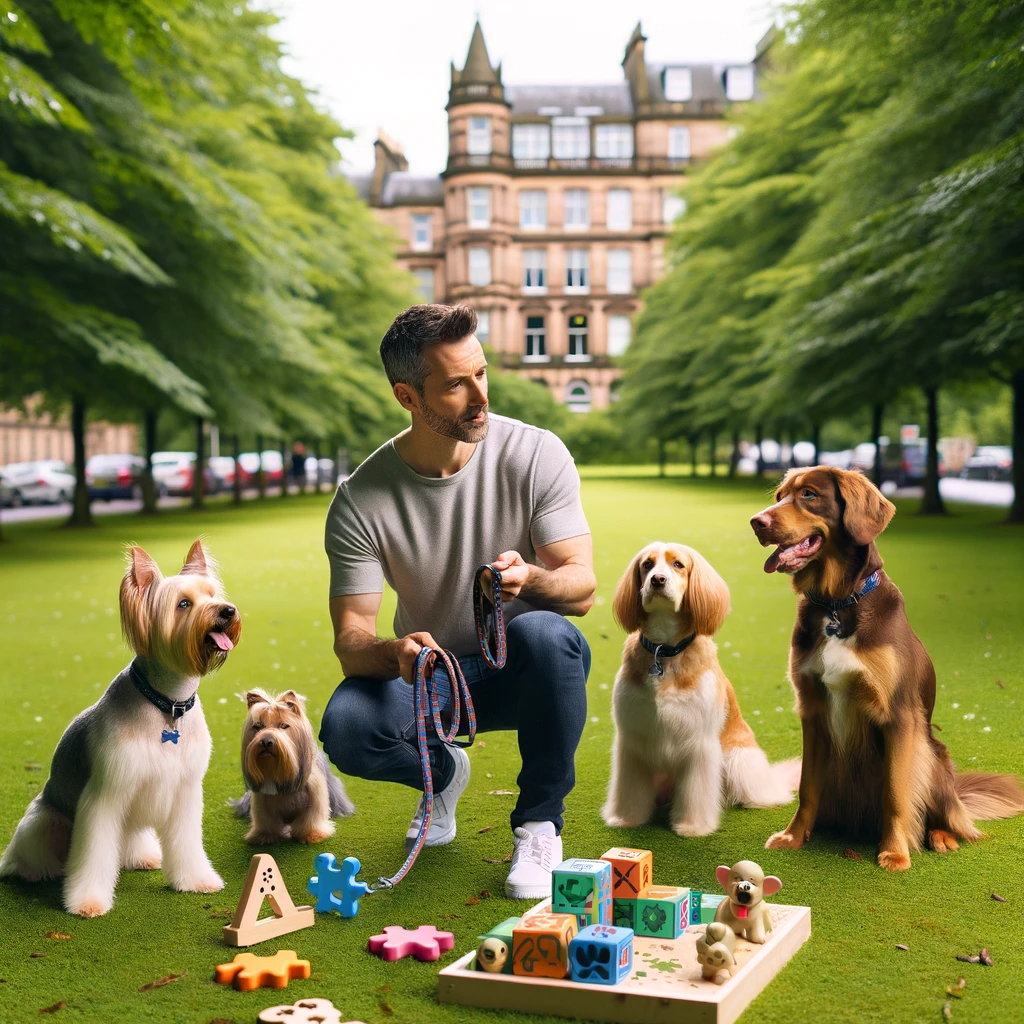
5. Reducing Behavioral Issues
One of the most immediate benefits of proper socialization is the reduction of behavioral problems. Pets that are not socialized may exhibit signs of anxiety, aggression, or fearfulness. These behaviors often stem from a lack of exposure to different stimuli, leading to uncertain reactions when they encounter new situations.
Imagine a dog that has never been introduced to other dogs or diverse environments like bustling city streets or busy parks. Such a dog might bark incessantly or become aggressive out of fear when encountering these situations for the first time. Socialization helps pets become customary to common experiences such as:
- New people and animals: Meeting various individuals and pets teaches them how to interact positively.
- Different sounds: Acclimatization to common sounds like sirens and traffic can prevent stress-induced reactions.
- Varied environments: Exposure to different settings such as parks and stores helps mitigate stress from new surroundings.
This early exposure helps mitigate potential behavioral issues and fosters a calm demeanor in pets. When pets are well-socialized, they tend to respond more positively to novel situations, minimizing incidents of fear-induced aggression or anxiety-driven barking. Experts in animal behavior stress the importance of early socialization during the formative months of a pet’s life when they are most adaptable.
4. Building Confidence
Socialization plays a significant role in building a pet’s confidence. An unsocialized pet may feel overwhelmed when faced with new experiences, which can exacerbate anxiety and lead to avoidance behaviors. Engaging in social activities, like group training sessions or playdates, helps pets learn how to interact positively and boosts their self-assurance.
A confident pet is not only more enjoyable to be around but is also better at handling stressful situations. Consider a cat that has been regularly exposed to new stimuli—this feline is likely to handle a visit from a group of friends with curiosity rather than hiding under the bed. You can help build your pet’s confidence by:
- Introducing them to a variety of people and pets: Exposure diminishes the unknown that often breeds fear.
- Engaging in different activities: Agility training, for example, is not just physical exercise; it’s a challenge that boosts brain function and self-assurance.
- Rewarding them for calm behavior: Positive reinforcement teaches pets appropriate reactions to new situations.
As pets gain confidence through these interactions, they become more adaptable and resilient, making them a pleasure to share life with. Animal behavior specialists often liken this to building a “bank account” of positive experiences, which pets can draw on when they face stress or uncertainty later in life.
3. Enhancing Social Skills
Just like humans, pets require social skills to interact effectively with others. Socialization aids in teaching pets appropriate behaviors and communication methods with their peers. This is especially crucial during their formative stages as understanding social dynamics is key to their development.
Animals that lack socialization may struggle to understand the body language and social cues of their counterparts. This can result in misunderstandings and conflicts. Through regular interactions, pets learn:
- How to play appropriately with others: Playdates and supervised interactions teach important social rules.
- Their own body language and that of others: Recognizing signs of aggression or playfulness fosters smoother interactions.
- Boundaries and acceptable behavior: Understanding how to take turns or when to back off is essential for peaceful coexistence.
By navigating these social intricacies, pets develop better communication skills, which lead to harmonious relationships not only among animals but also between pets and humans, ultimately fostering better companionship. Veterinarians and trainers often advocate that these early social skills lead to a lifetime of friends for your pet.
2. Promoting Healthier Relationships
Socialization undoubtedly contributes to healthier relationships between pets and their owners. Well-socialized pets are more likely to display positive behaviors, making them more enjoyable to be around. They tend to be less fearful, more affectionate, and easier to train. For instance, a dog that grows up in a heavily socialized environment is more likely to enjoy sharing time with guests rather than feeling threatened by their presence.
A pet that has been exposed to a diverse range of experiences is less likely to develop behavioral issues that hinder their relationship with their owners. The emotional connection between pets and humans is strengthened through shared experiences, reducing anxiety and enhancing bonding. This nurturing relationship translates into:
- More time spent together: A well-adjusted pet feels uninhibited and content, fostering quality companionship time.
- Increased trust and reliability: Pets that trust their owners often follow commands better and show increased eagerness to please.
- Greater joy and love in everyday interactions: The happiness and affection shared enhance both the pet’s and the owner’s quality of life.
Thus, a well-adjusted pet with social skills is able to be a steadfast companion, leading to a more fulfilling pet-owner relationship. Research indicates that owners of well-socialized pets experience lower stress levels compared to those handling pets with behavioral challenges.
1. Overall Well-Being and Quality of Life
Ultimately, the top reason why socialization is crucial for pets is its impact on their overall well-being and quality of life. Pets that have been properly socialized tend to thrive both mentally and physically, as they are more engaged with their surroundings and often more active. The joy of discovering new environments or making new friends enriches their life experience significantly.
Regular social interactions can also help reduce stress, leading to a longer and healthier life. A well-socialized pet enjoys exploring new environments, meeting new friends, and partaking in various activities, contributing to a richer life. The benefits to their well-being include:
- Improved mental stimulation: Engaging with new environments provides cognitive challenges that help keep the mind sharp.
- Physical health through increased activity: Playing and exploring requires energy, keeping pets fit and healthy.
- Emotional stability and happiness: Being surrounded by positive interactions increases a pet’s emotional health.
In conclusion, socialization is not just a training tool but a foundational aspect of ensuring pets lead happy, healthy, and well-adjusted lives. By actively investing in socialization, pet owners can provide their furry companions with tools they need to flourish and build meaningful relationships, underscoring the irreplaceable bond humans share with their pets.
| Category | Details |
|---|---|
| Improved Behavior | Socialized pets display fewer behavioral issues such as aggression and anxiety. Regular interaction helps them to develop confidence and adaptability. |
| Health Benefits | Socialization can lead to a healthier lifestyle for pets. Engaging in playdates or dog parks promotes physical activity, preventing obesity and associated ailments. |
| Mental Stimulation | Social interactions provide mental challenges and learning experiences, keeping pets’ minds active and sharp. Engaging with different animals and people fosters cognitive development. |
| Emotional Well-Being | Pets that are well-socialized often exhibit higher levels of happiness. They enjoy companionship, leading to reduced feelings of loneliness and stress when left alone. |
Socialization in pets not only emboldens them but also creates a positive ripple effect that enhances their overall quality of life. Engaging your pet in various settings, from playdates with other animals to visits to pet-friendly venues, aggregates numerous benefits that contribute to their success as a well-behaved companion. Understanding these advantages makes it clear why socialization should be a priority for pet owners looking to foster a fulfilling life for their furry friends. There’s an extraordinary evolution in behavior and emotional resilience that occurs with consistent social engagement that pet owners can facilitate. Engaging activities, including group training sessions or community events, actively enforce the idea that social interaction enriches not only the pet’s life but enhances the bond between owner and pet as they progress together in these shared experiences.
Frequently Asked Questions on Pet Socialization
Why is socialization crucial for my pet?
Socialization is a fundamental aspect of a pet’s life because it helps your animal develop healthy social behaviors and interact safely with other animals and humans. A well-socialized pet is typically more confident and less likely to exhibit anxiety or aggression. Moreover, social interactions play a significant role in enhancing your pet’s mental stimulation and overall quality of life.
What age is ideal to start socializing my pet?
Starting socialization early is crucial. For puppies, the window for optimal socialization is usually between 3 to 14 weeks, and for kittens, it ranges from 2 to 9 weeks. At these stages, animals are generally more receptive to new experiences. However, even older pets can benefit from gentle and consistent socialization efforts.
Can improper socialization affect my pet’s behavior?
Yes, improper socialization can lead to behaviors such as fearfulness, anxiety, and aggression. Pets that haven’t been socialized properly might struggle with unfamiliar situations or jeer at sudden changes. Consistent exposure to different environments, people, and other animals can mitigate these issues and foster a more balanced demeanor.
What methods can be used to socialize my pet effectively?
There are various methods to ensure effective socialization: controlled group play, exposure to different environments, and positive reinforcement are all excellent strategies. It’s important to progress at your pet’s pace and ensure that each new experience is positive. Training classes, with the supervision of a professional trainer, can also help in guiding proper socialization.
What are some signs that my pet is well-socialized?
A well-socialized pet typically shows comfort with a range of stimuli. They are often curious, respond positively to new experiences, and demonstrate a calm demeanor when interacting with others. If your pet plays well with others, confidently explores new environments, and remains calm in diverse situations, these are all signs of successful socialization.
Conclusion: The Essential Role of Socialization in Pets’ Lives
Socialization is not merely a supplementary part of a pet’s life; it plays a vital role in shaping their behavior, emotional health, and overall well-being. Throughout the article, we explored how socialization affects pets, underlining its profound importance. It’s a process that contributes significantly to their mental and physical health, helping them adapt to various environments, people, and other animals.
Furthermore, we discussed that socialization helps reduce behavioral issues such as anxiety, aggression, and excessive shyness. These problems can be more prevalent in animals that lack adequate social interactions during their developmental stages. By introducing pets to different stimuli, they become better adjusted and more confident in their surroundings.
Additionally, we highlighted the benefits of structured playdates and positive encounters, promoting not only play but also learning—an integral part of social interaction. Socialization enhances communication skills and enriches the bond between pets and their owners, creating a more harmonious household.
Ultimately, the considerations given to the social lives of pets have long-lasting implications. Just as humans thrive on connections, so do our four-legged companions. By investing time and effort into their social lives, we nurture more content and well-adjusted animals. This journey of discovery should prompt pet owners and enthusiasts alike to delve deeper into methods and approaches that can further enhance this crucial aspect of their pets’ lives. It’s not just about teaching them to coexist; it’s about enriching their existence and maximizing their potential for happiness in a shared world.